Boeing 747
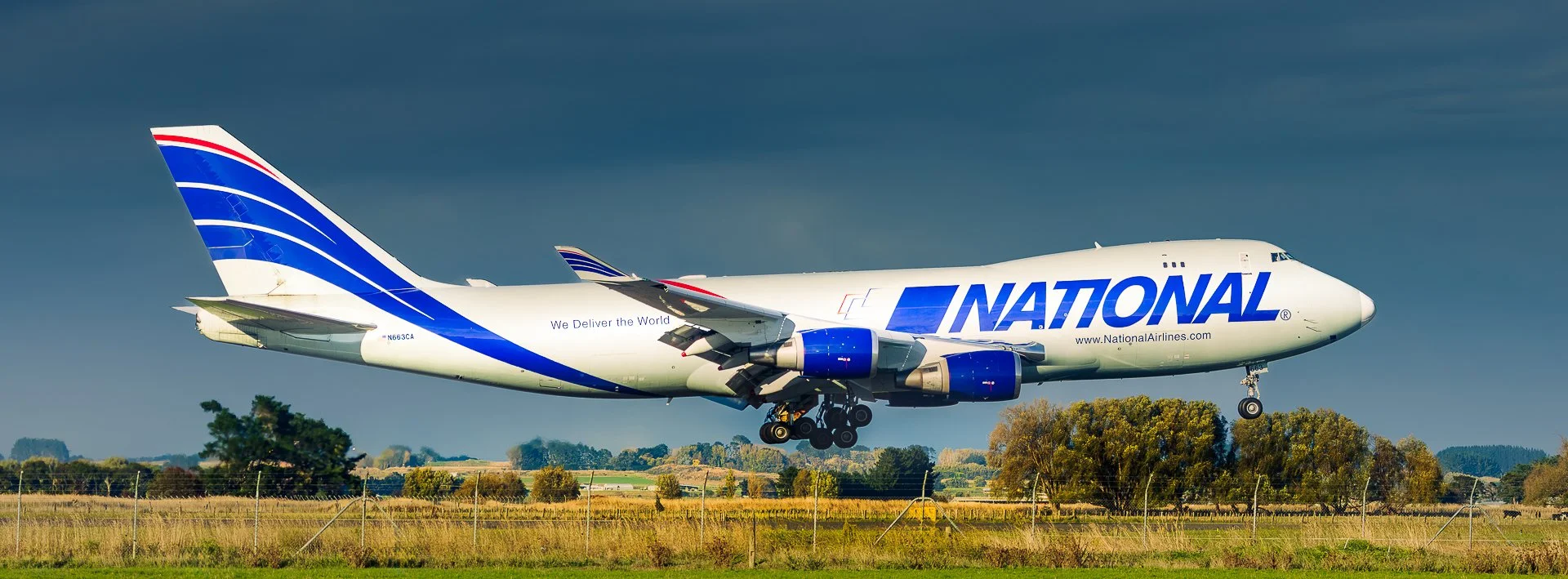
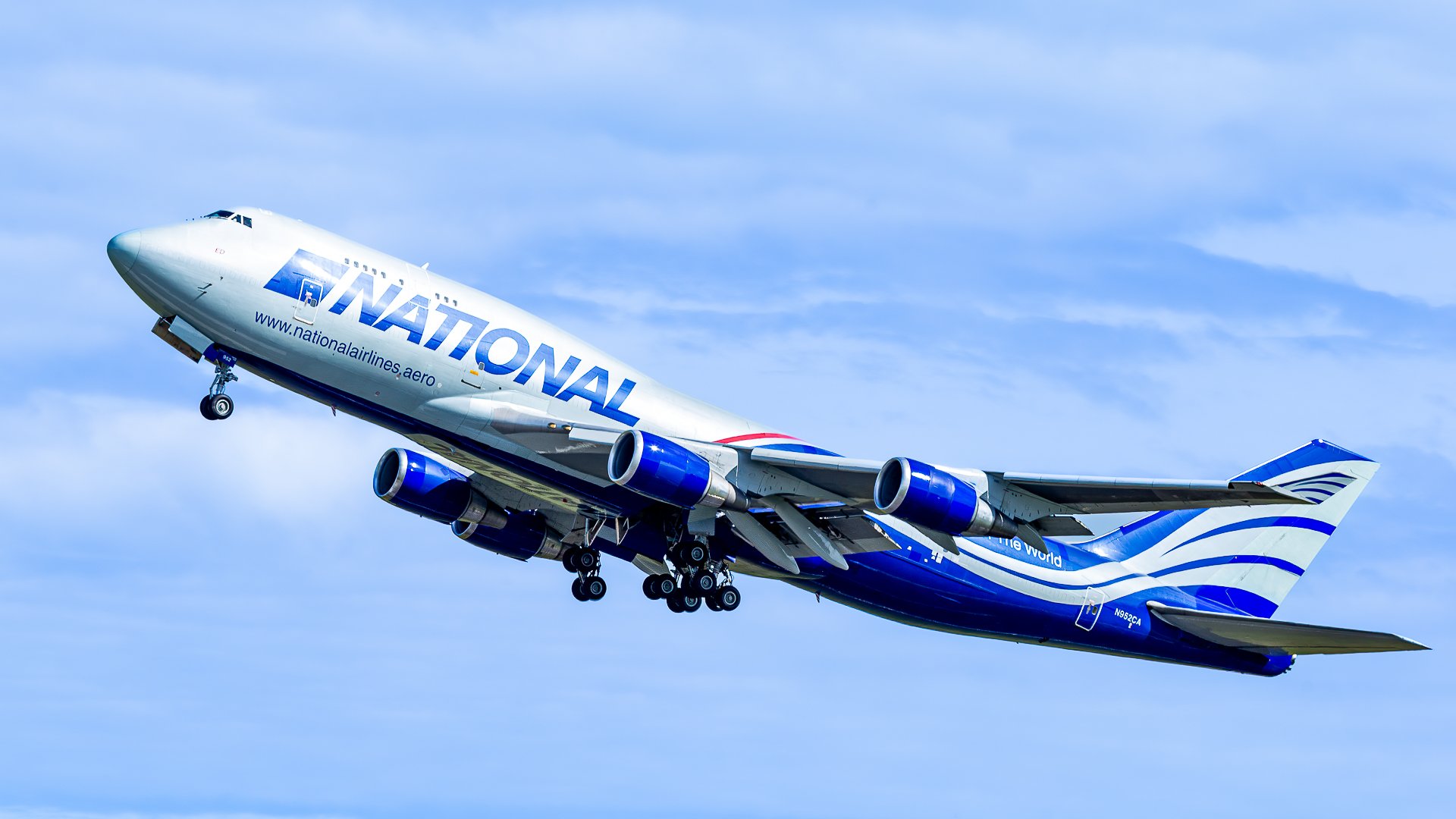
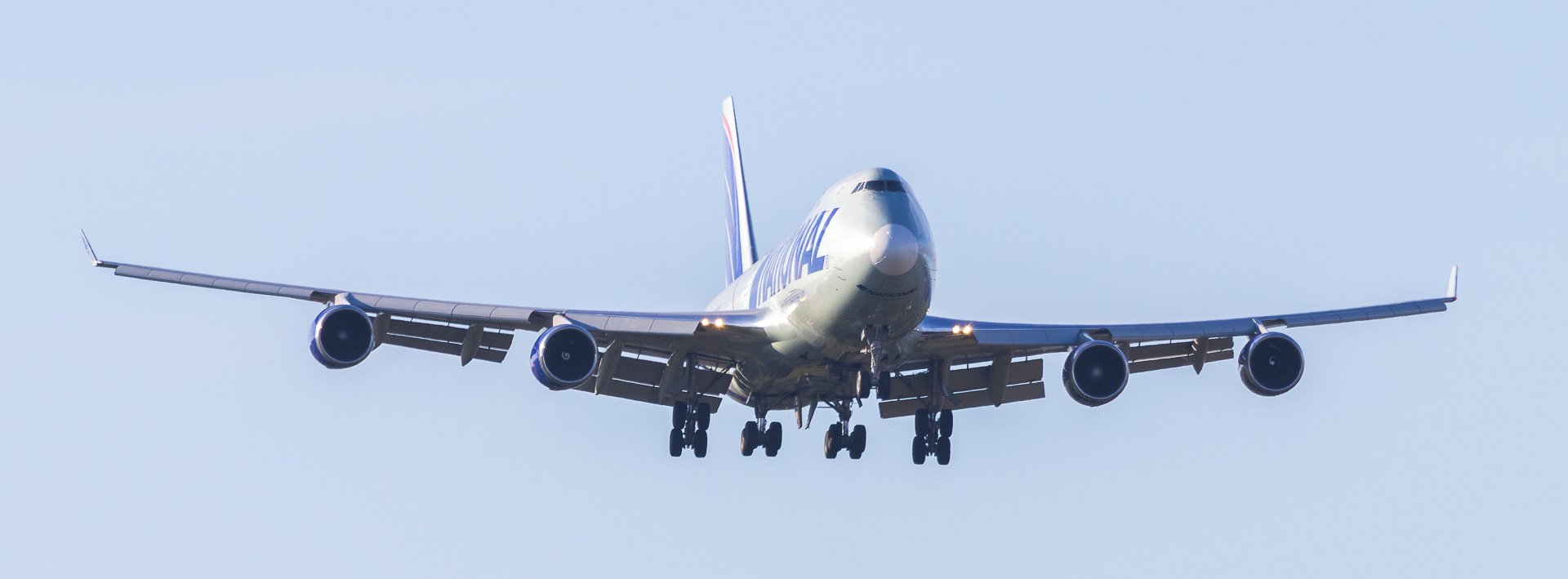
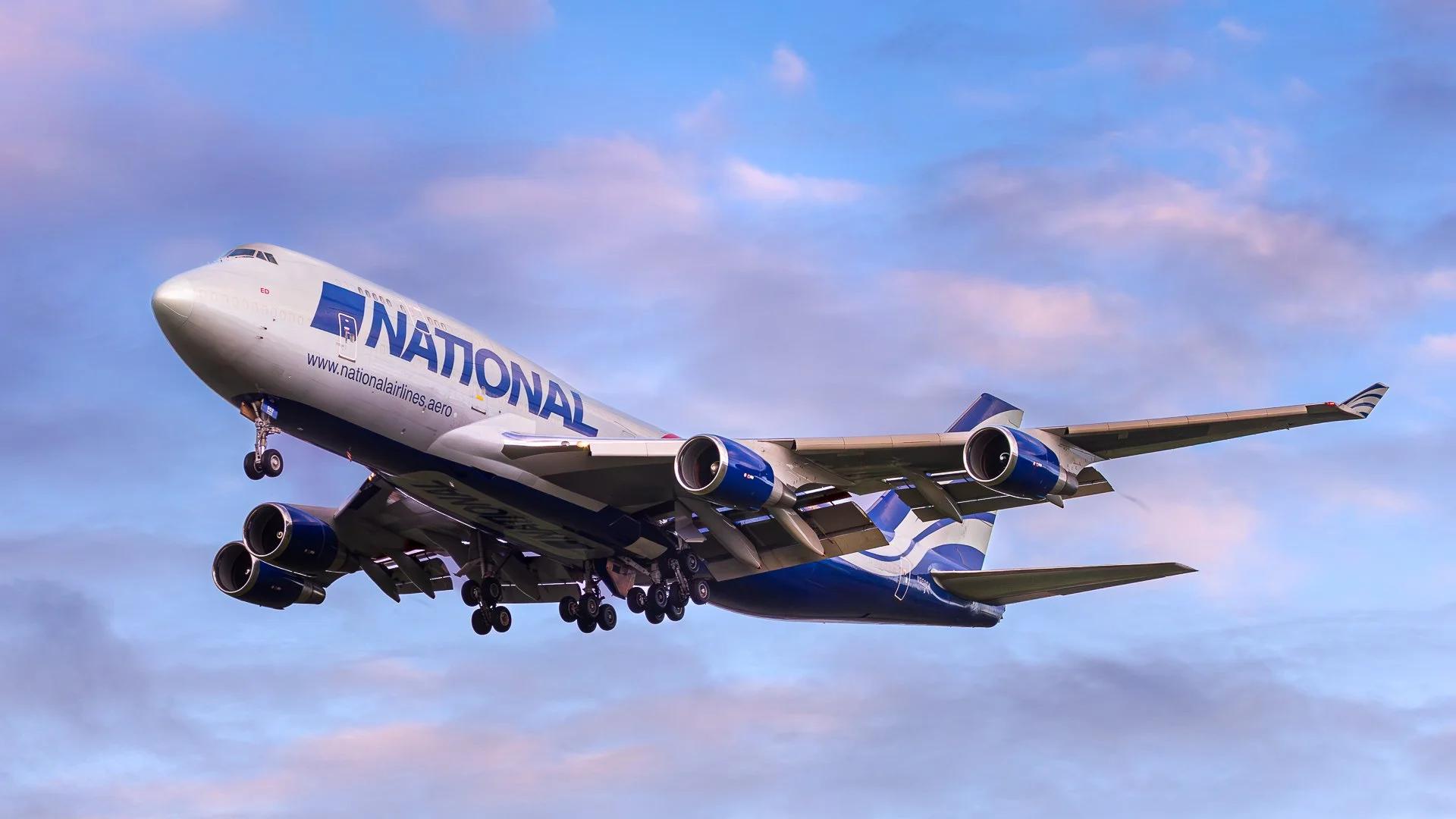
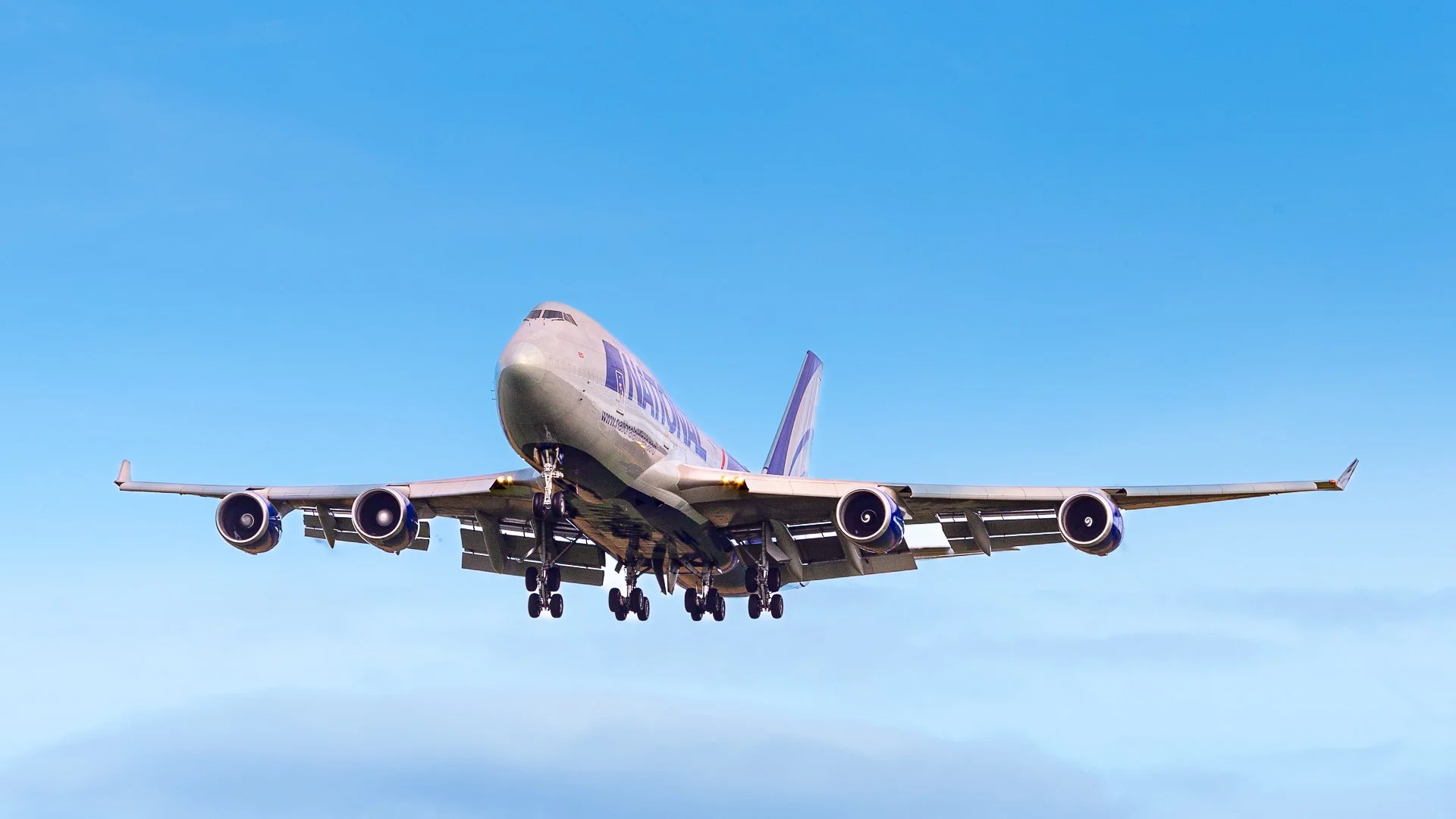
N663CA at Base Ohakea, New Zealand
The Boeing 747, often affectionately known as the "Jumbo Jet" or "Queen of the Skies," is one of the most iconic and recognizable aircraft in aviation history. First introduced in 1970, the 747 revolutionized air travel by being the world's first wide-body airliner and, for decades, the largest passenger aircraft in operation. Its distinctive hump-shaped upper deck, originally designed to accommodate a cockpit that could convert the nose into a cargo door, became an instantly recognizable silhouette. The 747 was developed in the late 1960s at enormous financial risk to Boeing, but it proved to be a commercial and cultural success that transformed long-distance air travel by making it more accessible and economical.
“The Boeing 747, often affectionately known as the “Queen of the Skies” is one of the most iconic and recognizable aircraft in aviation history”
Throughout its production run, which ended in 2023 after more than 50 years, the 747 went through several major variants including the -100, -200, -300, -400, and finally the -8. These versions progressively improved range, fuel efficiency, and passenger capacity, with later models capable of carrying over 400 passengers in typical configurations and up to 600 in high-density layouts. The 747 has served in numerous roles beyond passenger transport, including as a freighter (with its distinctive nose cargo door), the Air Force One presidential transport, NASA's Space Shuttle carrier aircraft, and various VIP and government configurations. While most major airlines have retired their passenger 747s in favor of more fuel-efficient twin-engine aircraft like the 787 and A350, the 747 freighter variant continues to play a vital role in global cargo operations, and the aircraft remains an enduring symbol of the jet age.