
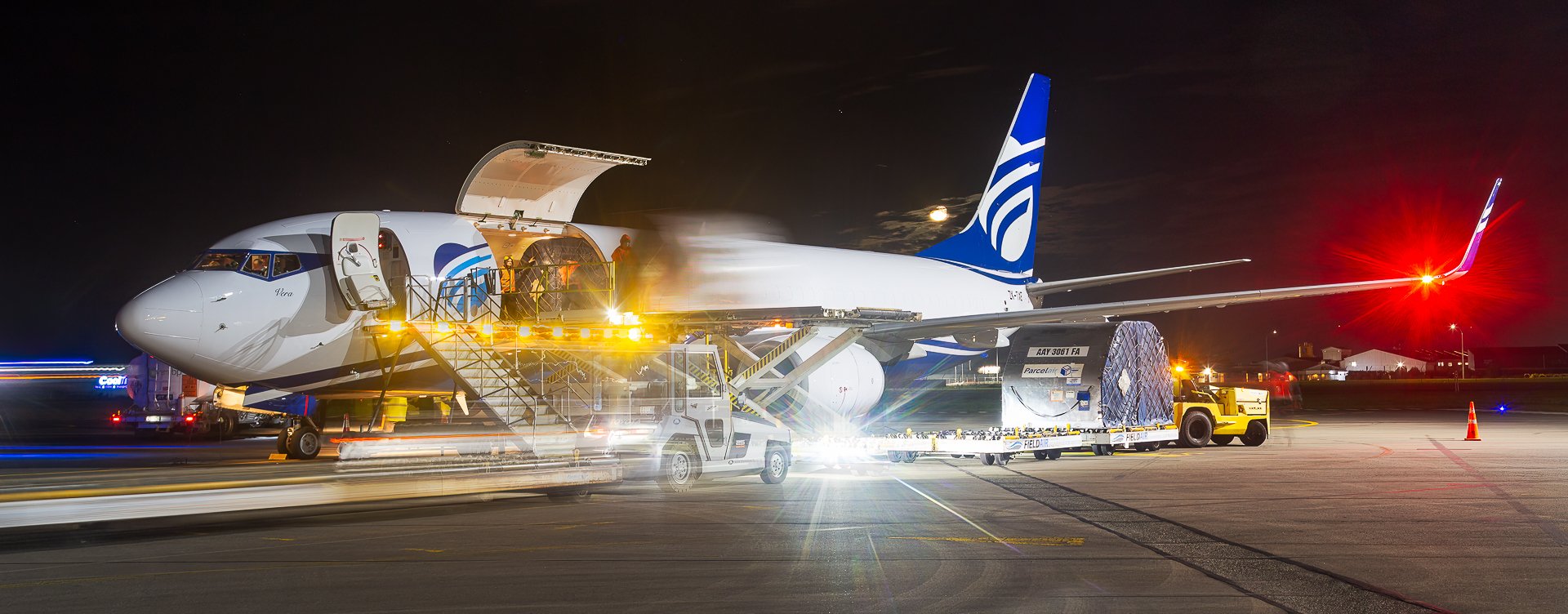
737 Cargo Aircraft
The Boeing 737 has been successfully adapted into several cargo variants, serving as an efficient freighter for express parcel carriers, freight operators, and passenger airlines needing cargo capacity. The primary purpose-built cargo version is the 737-800BCF (Boeing Converted Freighter), created through conversion of retired passenger 737-800s. This process involves removing passenger seats and interior fixtures, reinforcing the cabin floor, installing a large cargo door on the left forward fuselage, and adding a cargo handling system. The 737-800BCF can carry up to 23.9 tons of cargo in a combination of standard cargo containers and pallets, making it ideal for time-sensitive express freight operations. Other converted variants include the 737-300F, 737-400F, and older 737-200C/F models. Boeing and authorized conversion companies have converted hundreds of retired passenger 737s into freighters, giving these aircraft a profitable second career.
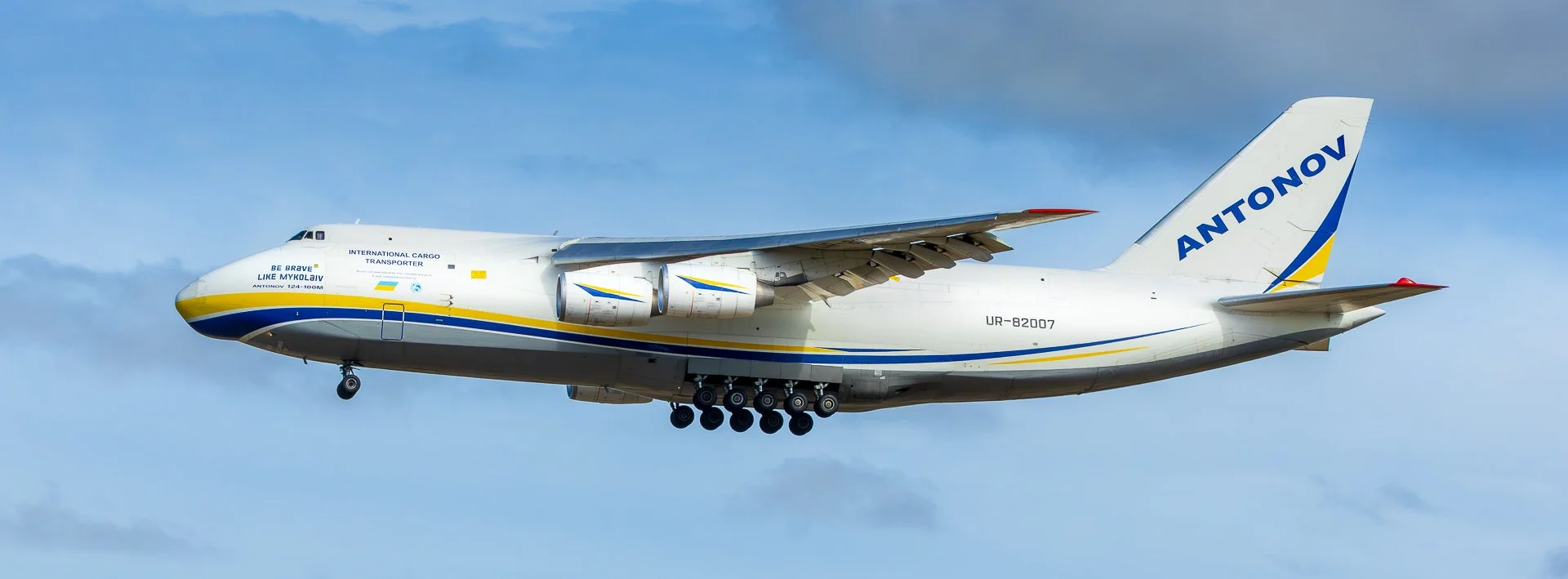
Antinov 124-100M
The Antonov An-124 Ruslan (NATO reporting name "Condor") is a strategic airlift aircraft designed by the Antonov Design Bureau in the Soviet Union during the 1980s. When it entered service in 1986, the An-124 was the world's largest production cargo aircraft, a distinction it held until the appearance of its larger sibling, the An-225 Mriya. The An-124 is powered by four Progress D-18T turbofan engines and features a maximum payload capacity of 150 tons, with a cargo hold measuring 36 meters long, 6.4 meters wide, and 4.4 meters high. The aircraft's distinctive design includes nose and tail cargo doors that allow drive-through loading and unloading, a fully pressurized cargo compartment, an onboard overhead crane system, and the ability to kneel its landing gear to facilitate loading operations. Its strategic airlift capability made it invaluable for military operations, oversized cargo transport, and humanitarian missions worldwide.
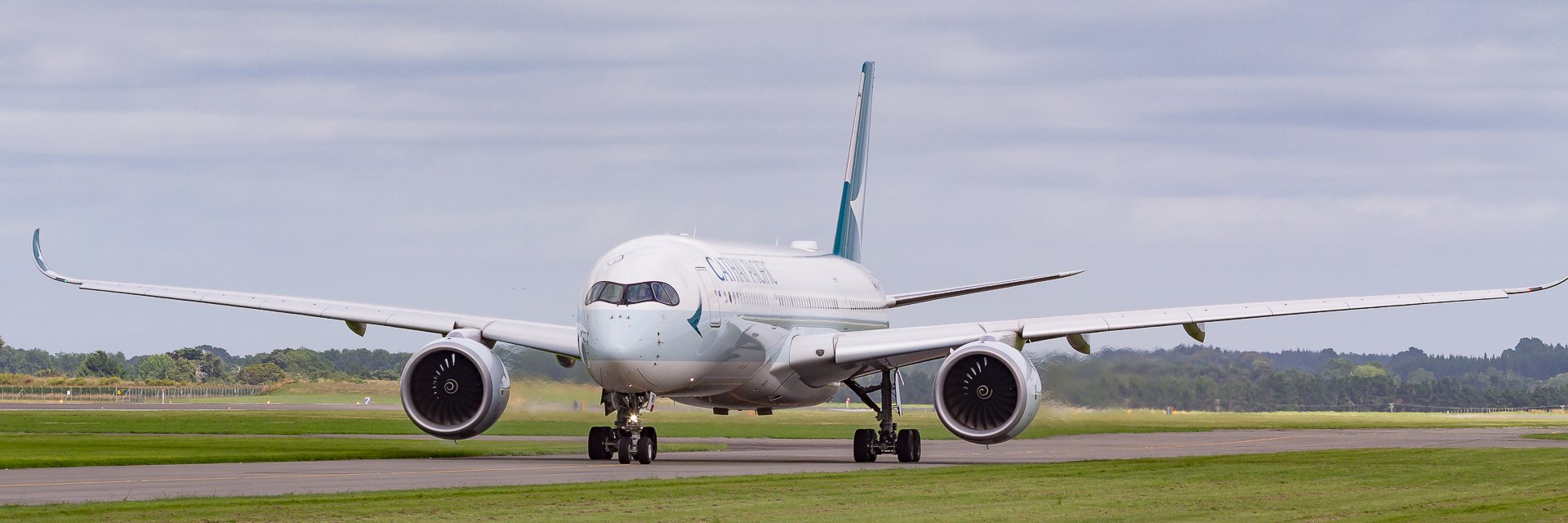
Airbus A350 XWB
The Airbus A350 XWB (eXtra Wide Body) is a family of long-range, wide-body twin-engine jet airliners developed by Airbus to compete directly with the Boeing 787 Dreamliner and 777. First entering service in 2015 with Qatar Airways, the A350 represents Airbus's most advanced commercial aircraft, featuring extensive use of composite materials—approximately 53% of the airframe is made from carbon fiber reinforced polymer, along with titanium and modern aluminum alloys. This advanced construction results in a lighter, more fuel-efficient aircraft with lower maintenance requirements. The A350 is powered by two Rolls-Royce Trent XWB engines, which are among the most efficient and quietest jet engines in commercial aviation. The aircraft family consists primarily of two variants: the A350-900, seating typically 300-350 passengers, and the longer A350-1000, accommodating 350-410 passengers in standard configurations.
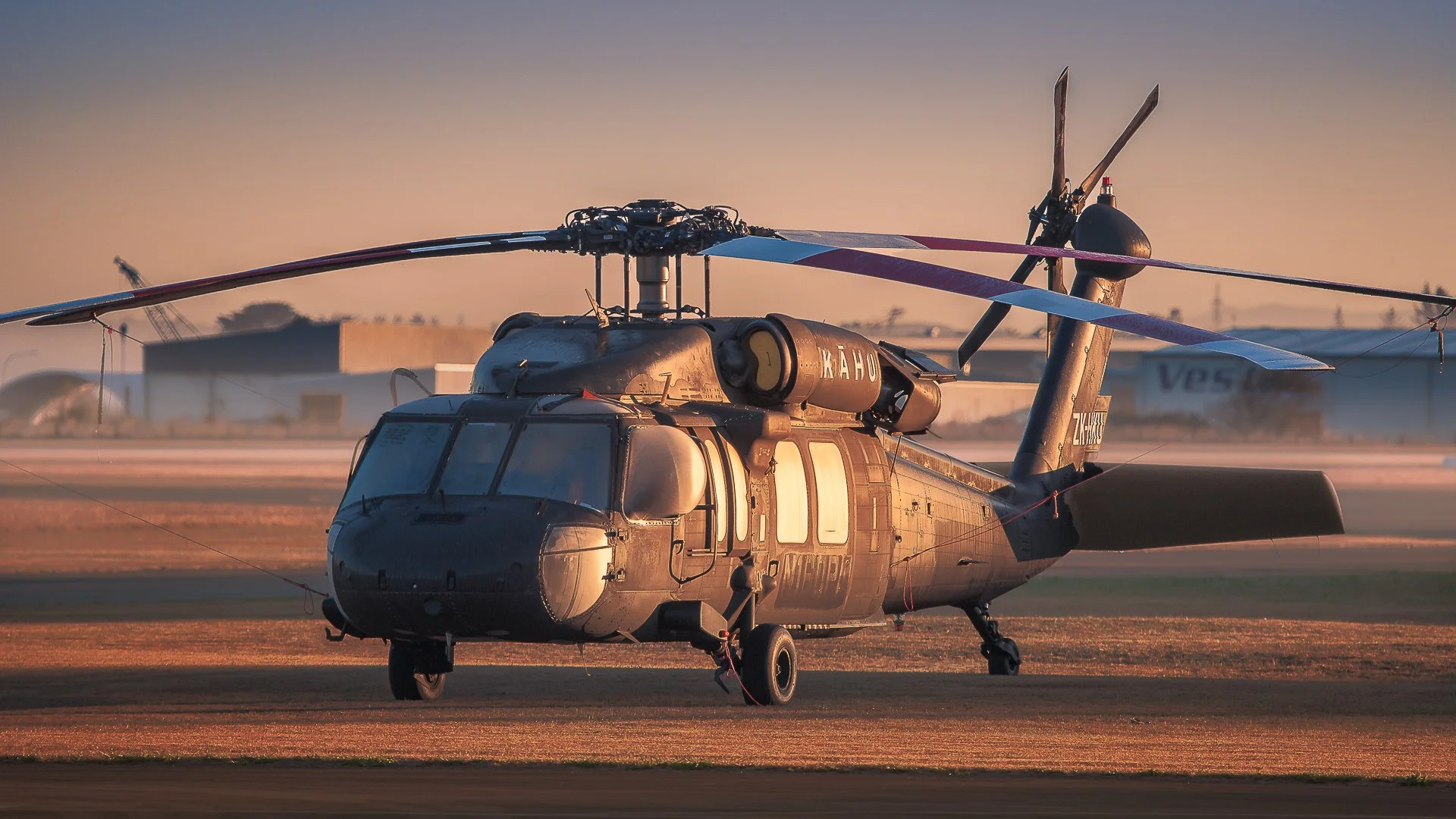
Sikorsky EH-60A Black Hawk
The Sikorsky EH-60A Black Hawk is a specialized electronic warfare and signals intelligence (SIGINT) variant of the ubiquitous UH-60 Black Hawk helicopter. Developed in the 1980s for the United States Army, the EH-60A was designed to perform electronic countermeasures, communications jamming, and electronic intelligence gathering missions in support of ground operations. The "EH" designation stands for "Electronic Helicopter," reflecting its primary mission of electronic warfare rather than transport or assault. These aircraft were modified from standard UH-60A airframes with the addition of extensive electronic equipment, antennas, and specialized mission systems housed both internally and in external pods or fairings.
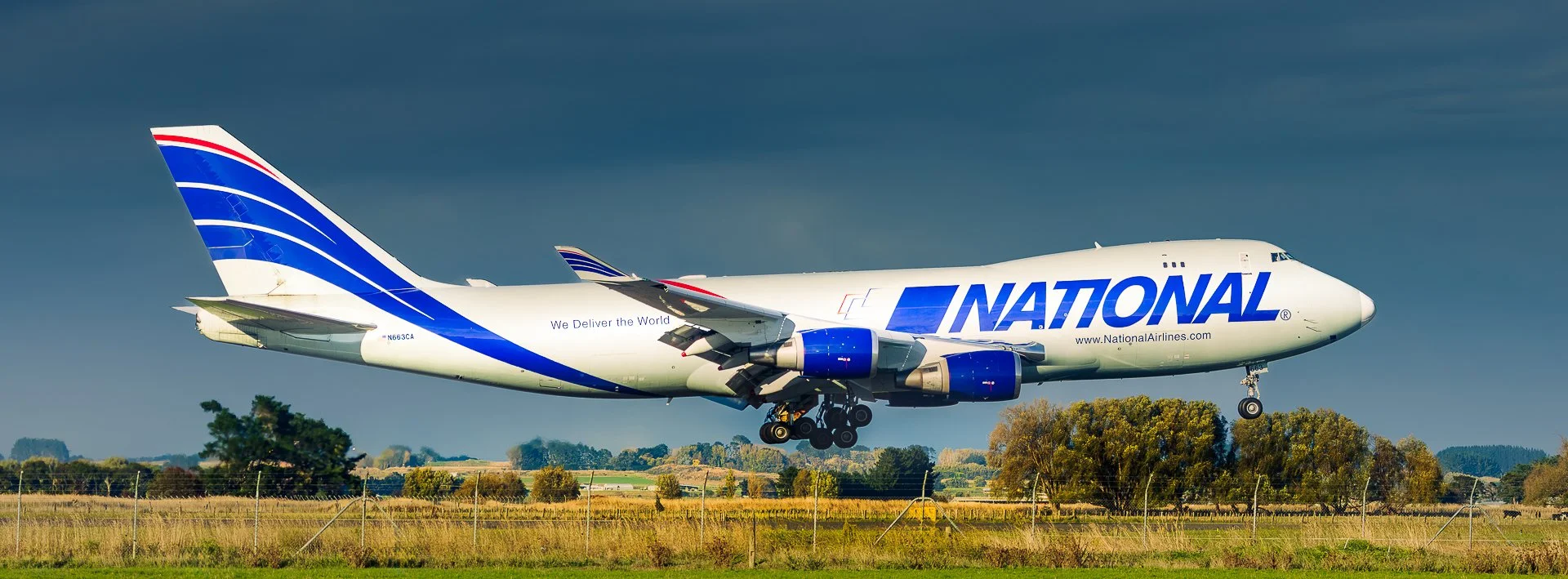
Boeing 747
The Boeing 747, often affectionately known as the "Jumbo Jet" or "Queen of the Skies," is one of the most iconic and recognizable aircraft in aviation history. First introduced in 1970, the 747 revolutionized air travel by being the world's first wide-body airliner and, for decades, the largest passenger aircraft in operation. Its distinctive hump-shaped upper deck, originally designed to accommodate a cockpit that could convert the nose into a cargo door, became an instantly recognizable silhouette. The 747 was developed in the late 1960s at enormous financial risk to Boeing, but it proved to be a commercial and cultural success that transformed long-distance air travel by making it more accessible and economical.

Rescue Helicopters
Rescue helicopters are specialized aircraft designed for critical emergency operations such as search and rescue (SAR), medical evacuations, and disaster response. These versatile machines are equipped with advanced features to handle a wide range of challenging situations. Typically featuring spacious cabins to accommodate medical equipment and stretchers, rescue helicopters often include winches for hoisting, powerful searchlights, infrared cameras for night operations, and sophisticated communication systems. Many are outfitted as flying ambulances, capable of providing in-flight medical treatment and patient stabilization.
The design of rescue helicopters prioritizes performance in adverse conditions, with models like the Sikorsky S-92, AgustaWestland AW139, Eurocopter EC135, and Bell 412 being popular choices for their range, speed, and ability to operate in challenging weather. These aircraft play a crucial role in various scenarios, from maritime and mountain rescues to disaster relief efforts, leveraging their unique ability to access difficult terrain and hover in place. Their speed and versatility make them invaluable assets in emergency situations where rapid response can mean the difference between life and death.