
PLANE SPOTTING
Military (Since WWII)
P h o t o G a l l e r i e s b y A i r c r a f t
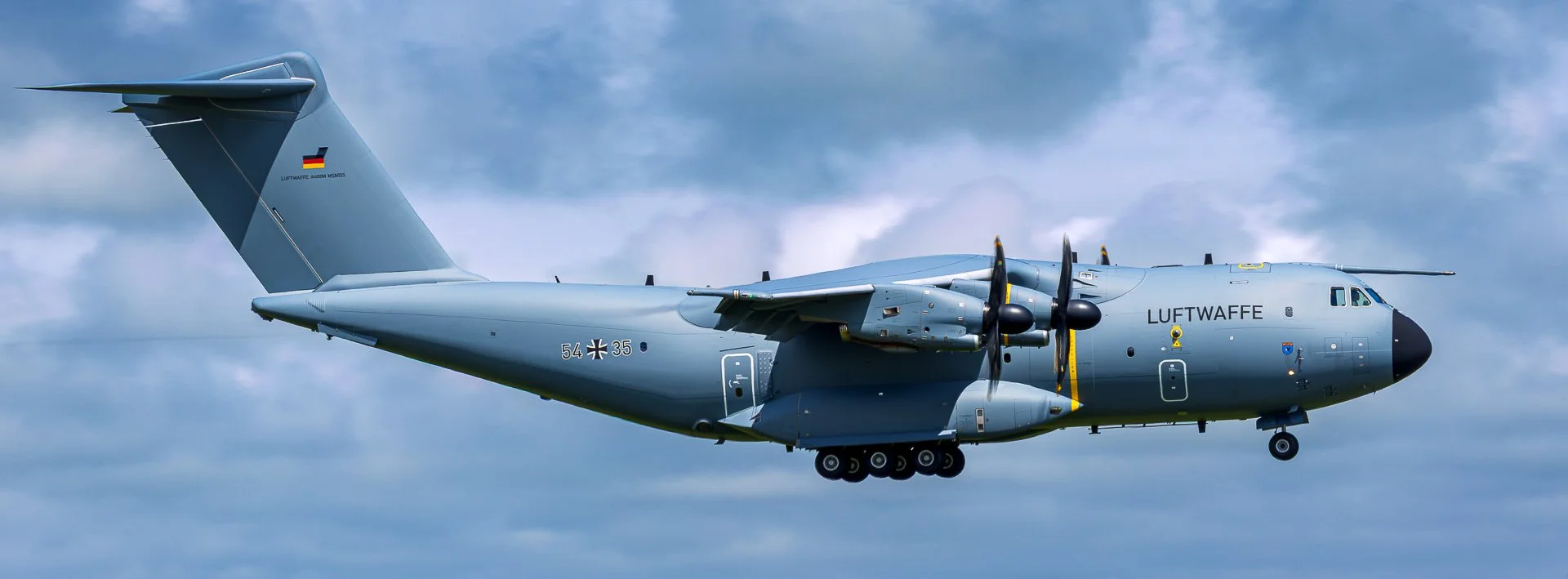
The Airbus A400M Atlas is a European multi-national four-engine turboprop tactical airlifter designed to meet the strategic and tactical transport needs of modern military forces. Developed by Airbus Defence and Space, the A400M was conceived in the 1980s and 1990s to replace aging C-160 Transall and C-130 Hercules fleets with a more capable aircraft that could bridge the gap between tactical airlifters and strategic heavy lifters like the C-17. The aircraft first flew in 2009 and entered service in 2013, powered by four Europrop International TP400-D6 turboprop engines—the most powerful turboprops ever fitted to a Western military aircraft. The A400M features a spacious cargo hold measuring 17.71 meters long that can accommodate vehicles, helicopters, palletized cargo, and up to 116 troops or 66 stretchers for medical evacuation. Its combination of tactical capabilities—including the ability to operate from short, unprepared airstrips—with strategic range of over 4,500 nautical miles makes it uniquely versatile.
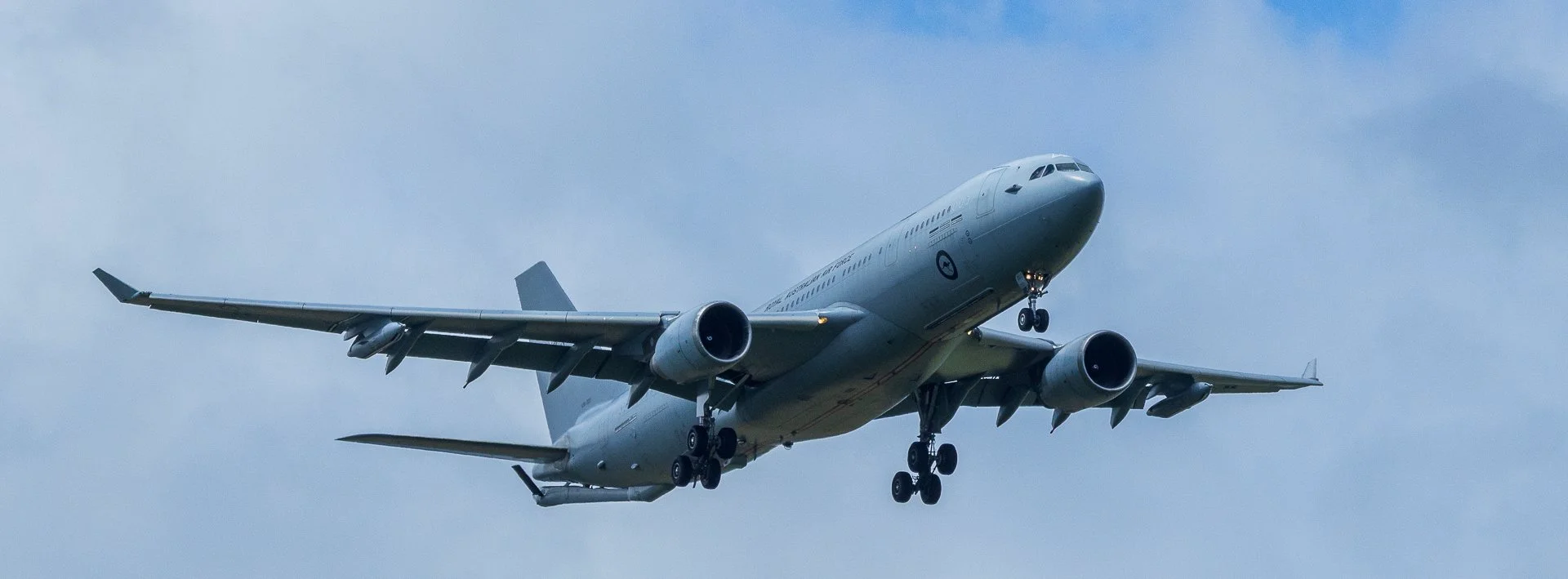
The Airbus A330 Multi Role Tanker Transport (MRTT) is a modern aerial refueling and strategic transport aircraft based on the highly successful A330-200 commercial airliner. Developed by Airbus Defence and Space (formerly EADS), the A330 MRTT has become one of the world's most capable and widely adopted tanker aircraft since entering service in 2011. The aircraft features an advanced refueling system that can simultaneously operate both a centerline hose-and-drogue unit mounted under the rear fuselage and two underwing refueling pods, allowing it to refuel three aircraft at once—a unique capability among modern tankers. With a fuel capacity of approximately 111 tons for transfer, the A330 MRTT can support extended operations while also carrying passengers and cargo in its spacious main deck, making it a true multi-role platform that can conduct tanker, transport, and medical evacuation missions either separately or simultaneously.
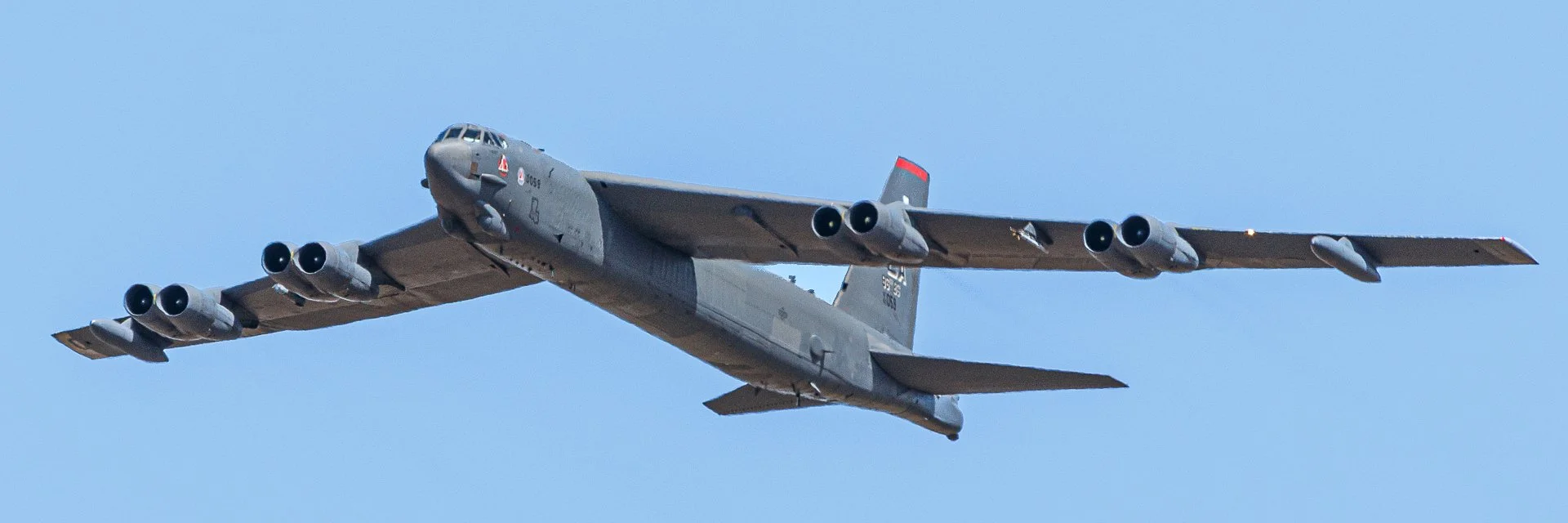
The Boeing B-52 Stratofortress is an American long-range, subsonic strategic bomber that has served as a cornerstone of U.S. nuclear and conventional strike capabilities since 1955. Designed during the early Cold War to carry nuclear weapons deep into Soviet territory, the B-52 features eight turbofan engines mounted on pylons beneath a massive 185-foot wingspan, giving it intercontinental range with aerial refueling. The aircraft's distinctive design includes a swept wing, bicycle-style landing gear with outrigger wheels, and the capacity to carry up to 70,000 pounds of ordnance in its bomb bay and on external hardpoints. Originally built in several variants from the B-52A through B-52H, only the H model remains in service today, powered by Pratt & Whitney TF33 turbofan engines. The B-52 was designed for high-altitude penetration missions but evolved to include low-level terrain-following capabilities and eventually standoff weapons delivery as air defense systems became more sophisticated.
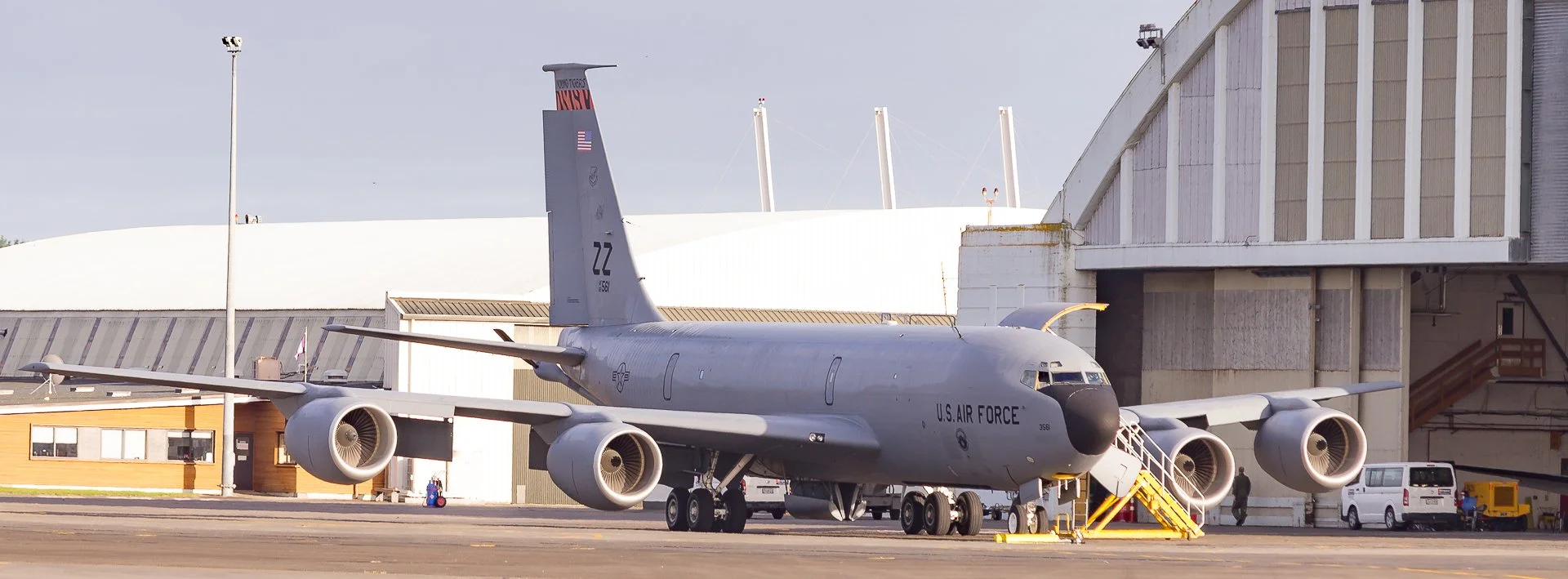
The Boeing KC-135 Stratotanker is a military aerial refueling aircraft that has served as the backbone of the United States Air Force's tanker fleet since 1957, making it one of the longest-serving aircraft in U.S. military history. Developed alongside the Boeing 707 commercial airliner from the Model 367-80 prototype (the "Dash 80"), the KC-135 was designed during the Cold War to extend the range and operational flexibility of Strategic Air Command's bomber fleet, particularly the B-52 Stratofortress. The aircraft features a distinctive flying boom refueling system operated by a boom operator stationed in the tail section, allowing for high-speed fuel transfer to receiver aircraft. The KC-135 typically carries about 200,000 pounds of fuel for transfer, along with cargo and passenger capability, and can itself be refueled in flight, providing truly global reach for U.S. air operations.
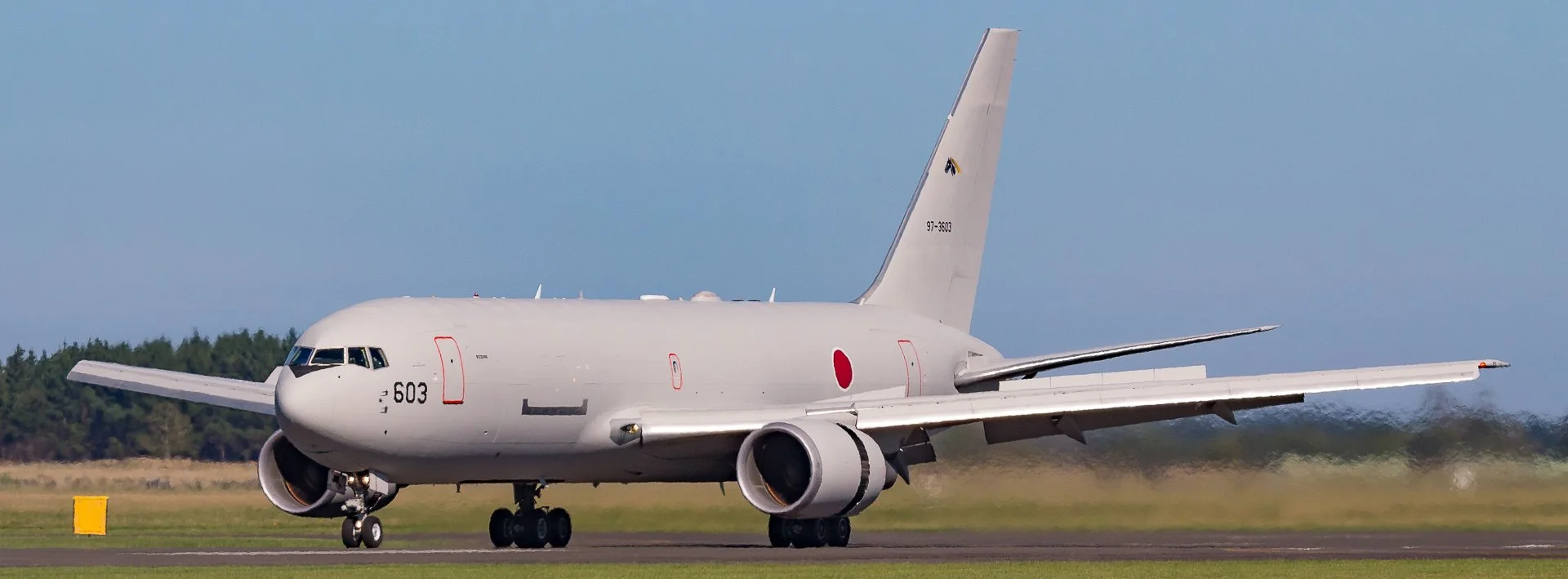
The Boeing KC-767 is an aerial refueling tanker and strategic transport aircraft based on the Boeing 767-200ER commercial airliner platform. Developed as a competitor to the larger KC-135 Stratotanker replacement and as an alternative to the European A330 MRTT, the KC-767 combines the proven reliability of the 767 airframe with advanced refueling systems capable of supporting both boom and probe-and-drogue refueling methods. The aircraft can carry approximately 91 tons of fuel for transfer while also maintaining passenger or cargo transport capability, making it a true multi-role tanker transport. Italy and Japan are the primary operators of the KC-767, with Italy's Air Force operating four aircraft for NATO and national missions, while Japan's Air Self-Defense Force operates four KC-767J aircraft to support its fighter and maritime patrol fleet.
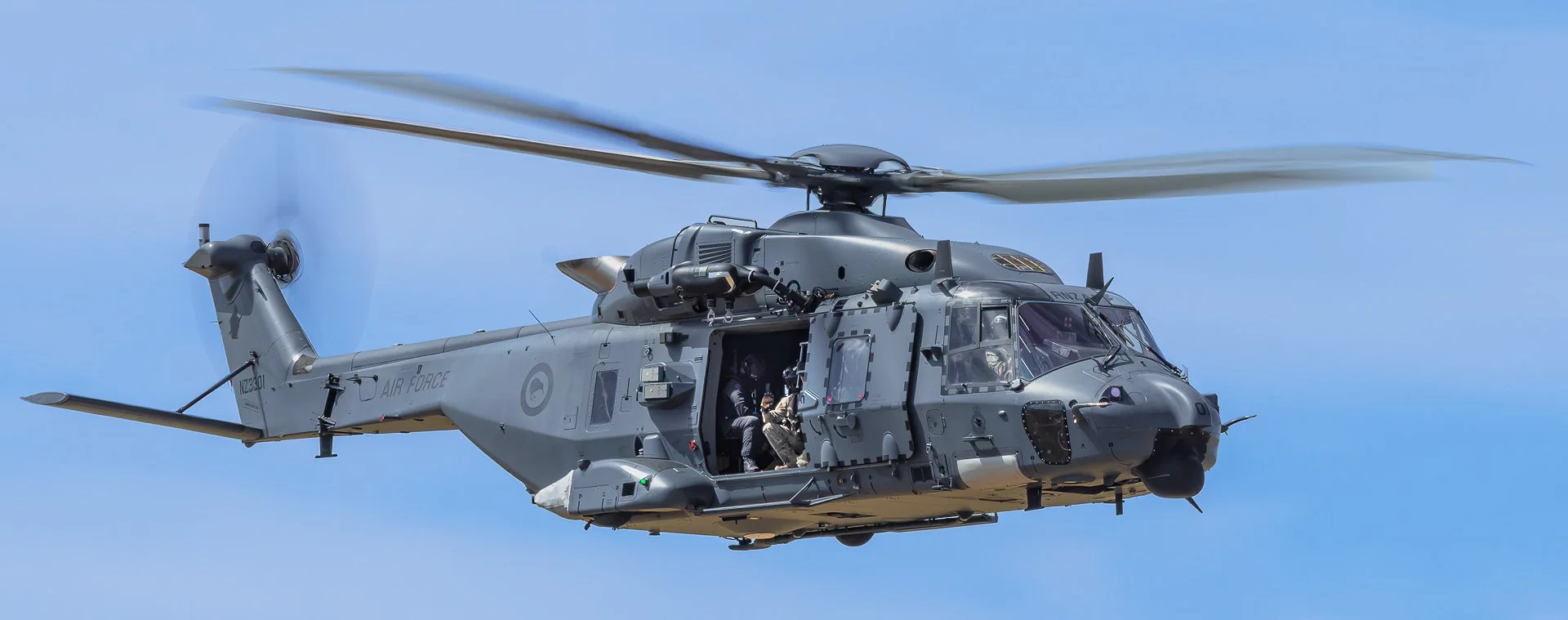
The NHIndustries NH90 serves as a medium utility helicopter for the Royal New Zealand Air Force, operated by No. 3 Squadron based at RNZAF Base Ohakea. New Zealand acquired eight NH90s (later increased to nine) in the mid-2000s to replace the aging UH-1H Iroquois fleet, with deliveries beginning in 2011. The RNZAF operates the Tactical Transport Helicopter (TTH) variant configured for troop transport, cargo lift, search and rescue, and disaster relief operations. These helicopters feature a spacious cabin that can accommodate up to 20 troops or various cargo configurations, fly-by-wire flight controls, advanced glass cockpit avionics, and a four-bladed composite main rotor system. The NH90 represented a significant technological leap for the RNZAF, introducing modern systems including night vision goggle compatibility, advanced navigation equipment, and enhanced defensive systems suitable for both domestic and deployed operations.
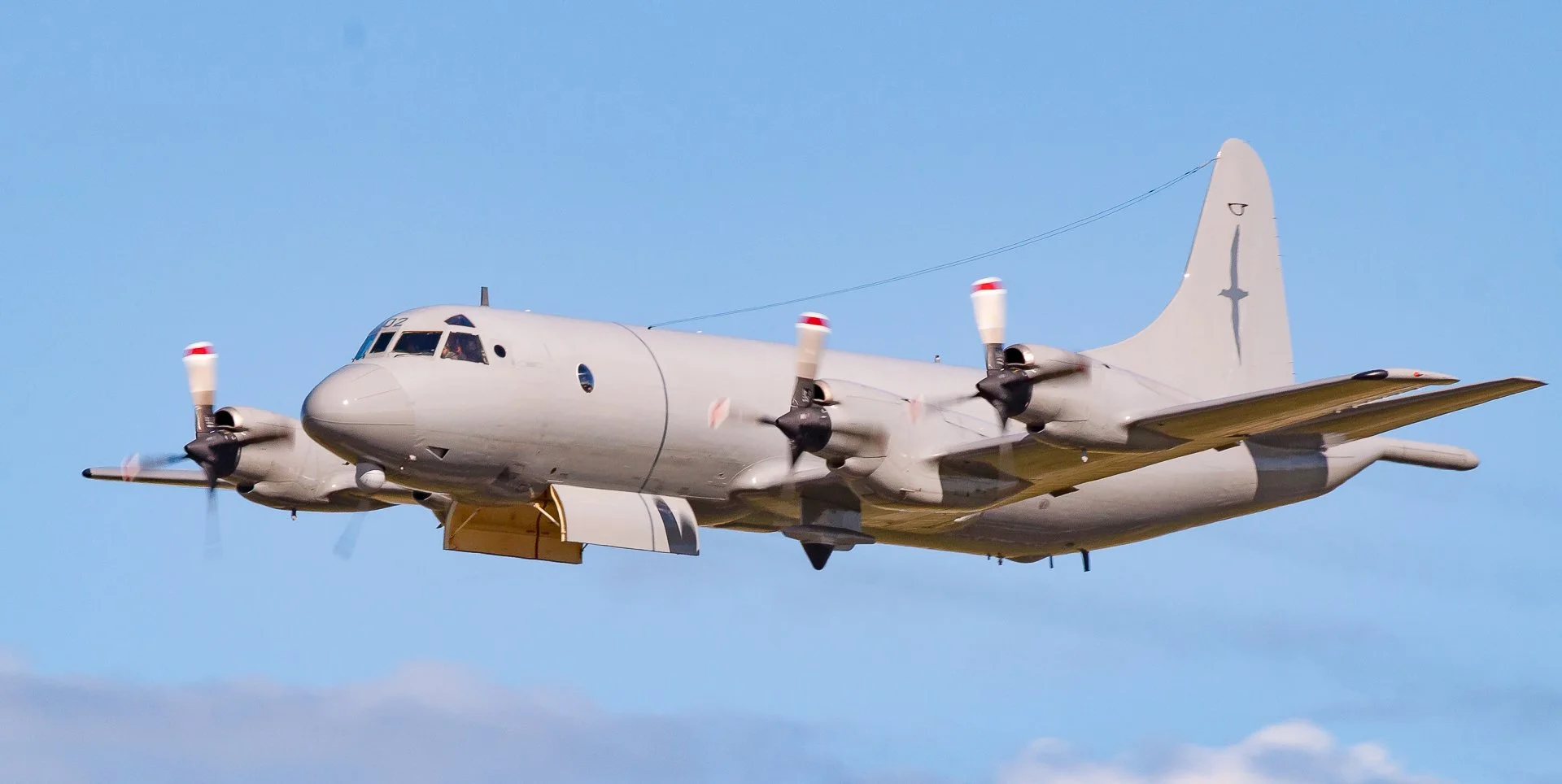
The Lockheed P-3K/K2 Orion served as the Royal New Zealand Air Force's primary maritime patrol aircraft for over five decades, from 1966 until its retirement in 2023. The RNZAF originally acquired five P-3B Orions in the mid-1960s, which were later upgraded to P-3K standard in the 1980s with improved avionics and systems. A subsequent major upgrade program in the 2010s saw the remaining fleet of six aircraft (having acquired additional airframes over the years) converted to P-3K2 standard with glass cockpit displays, new mission systems, and improved sensors. Operated by No. 5 Squadron based at RNZAF Base Ohakea, the Orion fleet was the backbone of New Zealand's maritime surveillance capability, tasked with patrolling vast areas of the South Pacific and Southern Ocean, including New Zealand's enormous exclusive economic zone—one of the world's fourth-largest at over 4 million square kilometers.
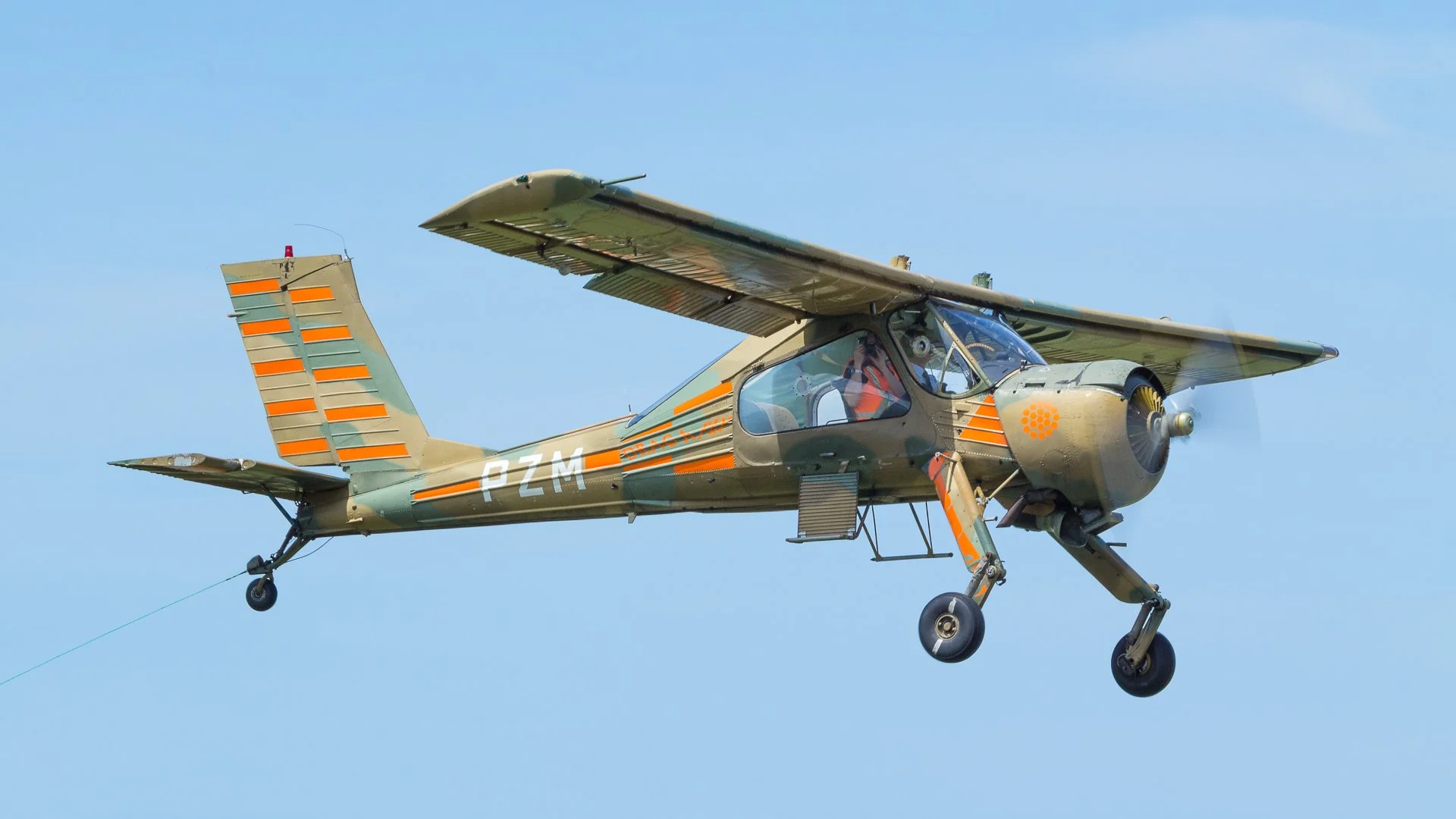
The PZL-104 Wilga is a Polish-designed utility aircraft that has gained recognition worldwide for its exceptional short takeoff and landing (STOL) capabilities and rugged construction. First flown in 1962 and manufactured by PZL Warsaw-Okęcie, the Wilga (which means "oriole" in Polish) was designed as a versatile high-wing, conventionally-geared aircraft capable of operating from unprepared surfaces and short airstrips. The aircraft typically seats four people and has been produced in numerous variants over its long production history, powered by various engines ranging from Continental flat-six piston engines to radial engines and, in later versions, turboprop powerplants. Its distinctive braced high-wing design, robust landing gear, and generous control surfaces give it remarkable slow-flight characteristics and the ability to operate from grass strips, beaches, and rough terrain where most conventional aircraft cannot venture.
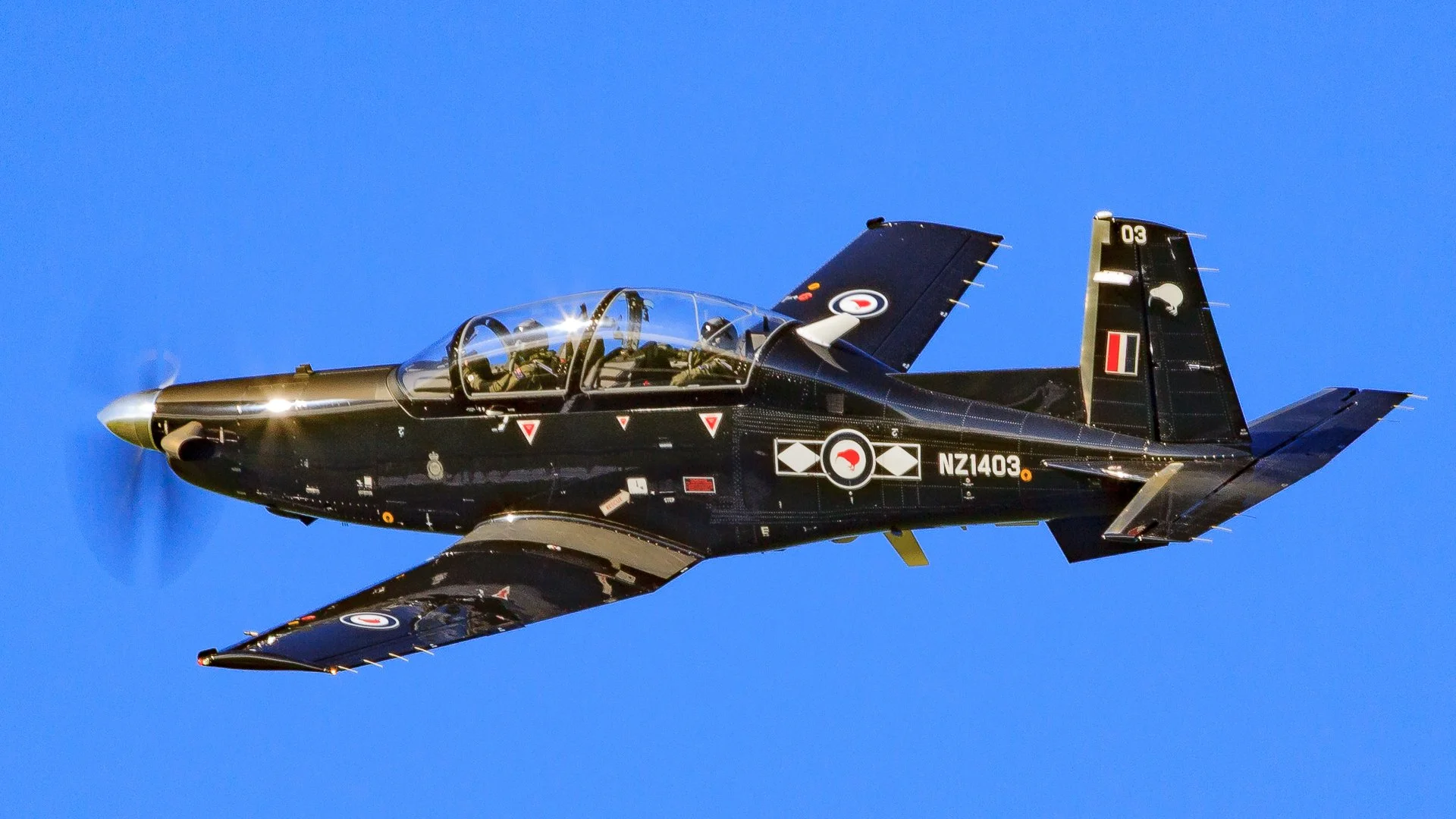
The Beechcraft T-6C Texan II serves as the advanced flight training aircraft for the Royal New Zealand Air Force (RNZAF), operated by No. 14 Squadron based at RNZAF Base Ohakea. New Zealand acquired eleven T-6C aircraft that were delivered between 2014 and 2015, replacing the aging CT-4E Airtrainer in the advanced training role. The T-6C variant features enhanced capabilities specifically tailored for New Zealand's requirements, including an uprated Pratt & Whitney PT6A-68D turboprop engine, improved avionics, and provisions for weapons training. The aircraft provides RNZAF student pilots with their first experience in a high-performance military trainer, featuring tandem seating, glass cockpit displays with multi-function displays, head-up display (HUD), and hands-on-throttle-and-stick (HOTAS) controls that mirror systems found in modern fast jets and maritime patrol aircraft.
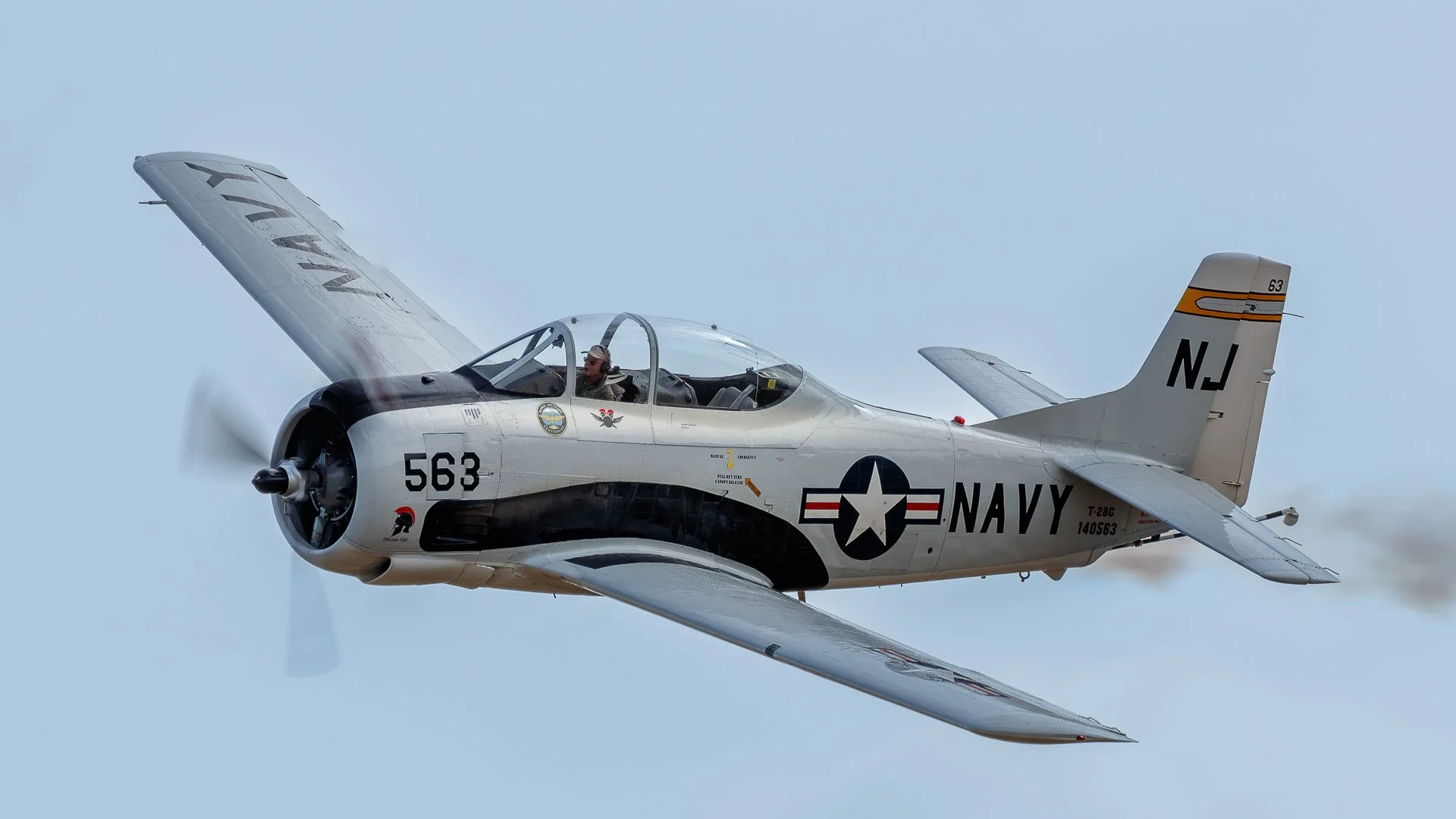
The North American T-28 Trojan is a piston-engine military trainer aircraft that served the United States Air Force and Navy from the late 1940s through the 1980s in various roles. Designed as a successor to the T-6 Texan, the T-28 was a much more powerful and modern aircraft, featuring a large radial engine and tandem seating for instructor and student. The original T-28A variant, introduced in 1950, was powered by an 800-horsepower engine and served as an intermediate trainer for the Air Force. The Navy's T-28B and T-28C variants featured more powerful 1,425-horsepower engines and strengthened airframes, with the T-28C also incorporating an arrester hook for carrier training operations. The Trojan provided excellent handling characteristics and enough performance to prepare pilots for the transition to jet aircraft.
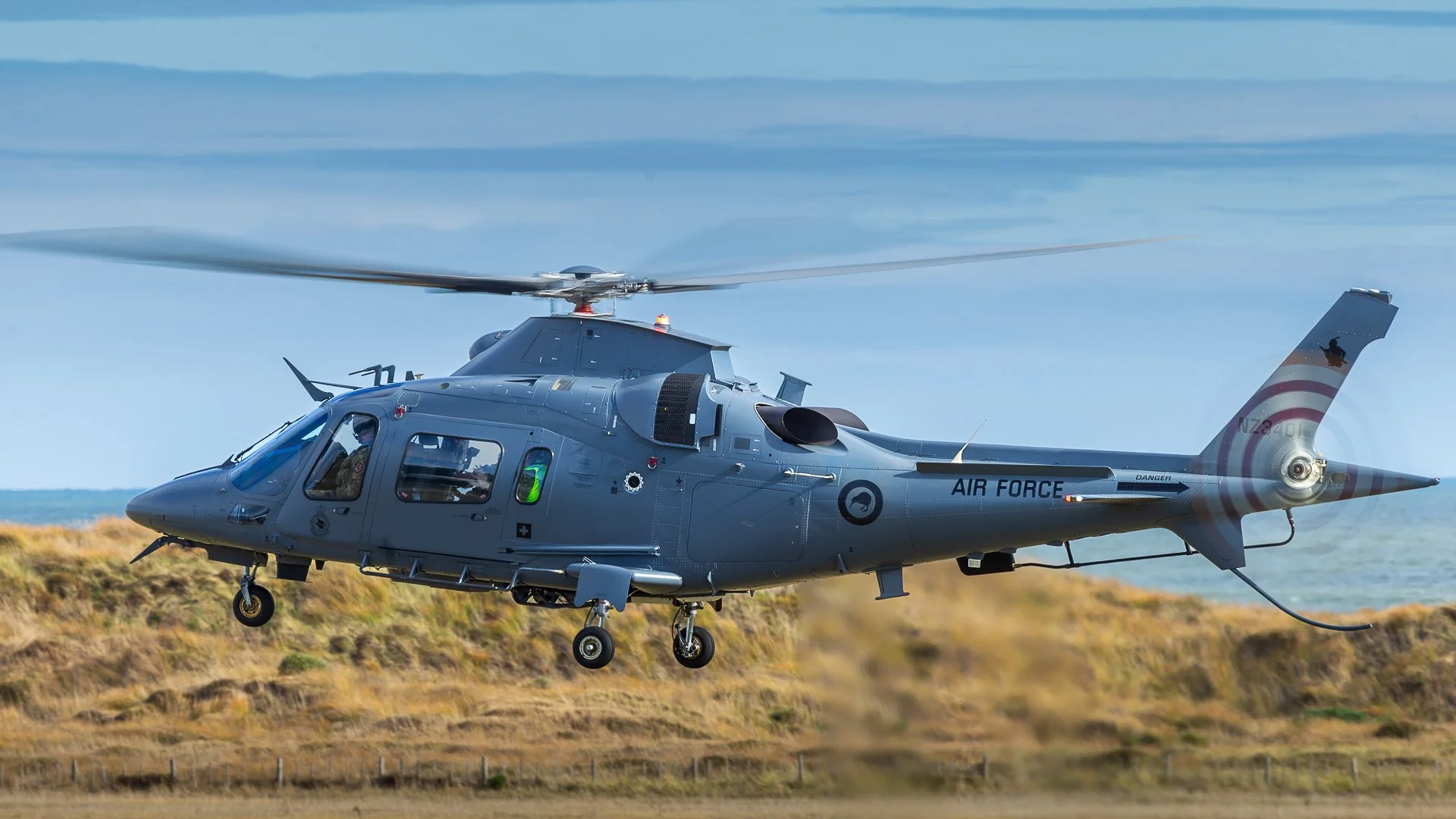
The Agusta A109 (now known as the Leonardo AW109 following corporate restructuring) is a lightweight, twin-engine, eight-seat multi-purpose helicopter that has achieved significant success in both civilian and military markets worldwide since its introduction in the 1970s. Designed and manufactured by the Italian aerospace company originally known as Agusta, the A109 is renowned for its sleek design, high performance, and versatility. The helicopter features a fully articulated four-bladed main rotor and can reach speeds of approximately 177 mph (285 km/h), making it one of the faster helicopters in its class. Its twin-engine configuration provides enhanced safety and redundancy, which has made it popular for operations over water, mountains, and urban areas.
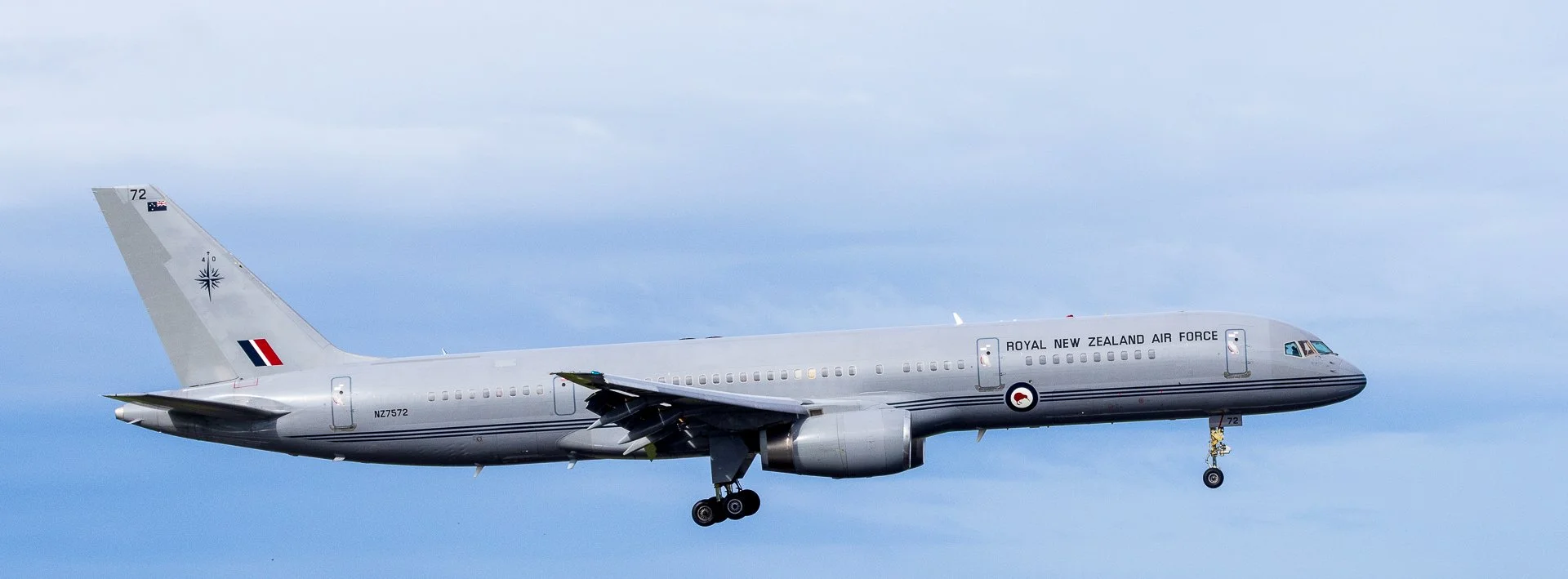
The Royal New Zealand Air Force (RNZAF) operates two Boeing 757-2K2 aircraft that serve as the country's primary strategic airlift and VIP transport platforms. These aircraft, which entered service in 2003, replaced aging Boeing 727s and significantly enhanced New Zealand's ability to transport personnel, equipment, and government officials across the Pacific region and beyond. The 757s are operated by No. 40 Squadron based at RNZAF Base Ohakea and are registered as NZ7571 and NZ7572. These aircraft are notable for being among the few military-operated 757s in the world and represent a substantial investment in New Zealand's defense and diplomatic capabilities.
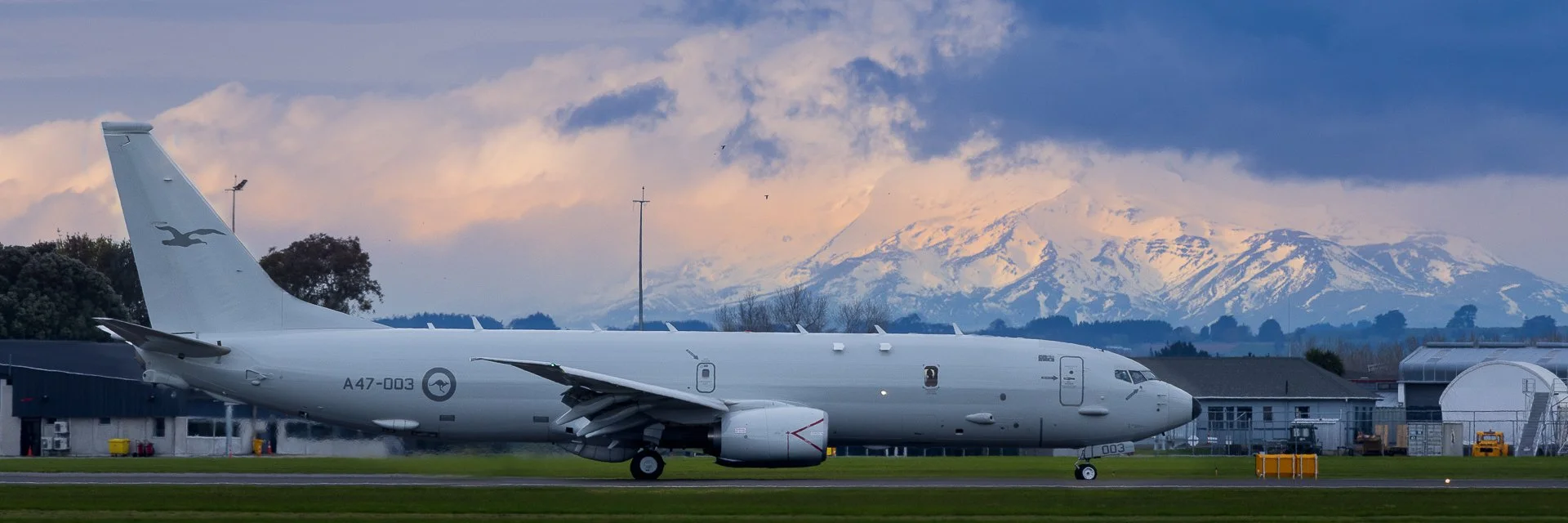
The Boeing P-8 Poseidon is a military maritime patrol and reconnaissance aircraft developed for the United States Navy and several international air forces. Based on the Boeing 737-800ERX airframe, the P-8 represents a significant technological leap from its predecessor, the P-3 Orion, which served for decades. The Poseidon is designed primarily for anti-submarine warfare (ASW), anti-surface warfare (ASUW), and intelligence, surveillance, and reconnaissance (ISR) missions. It entered service with the U.S. Navy in 2013 and has since been adopted by countries including India, Australia, the United Kingdom, Norway, South Korea, New Zealand, and Germany.

The Boeing 737-7DF BBJ (Boeing Business Jet) is a specialized variant of the Boeing 737-700 commercial airliner, specifically designed and modified for private and corporate use. It combines the reliability and performance of the popular 737 Next Generation platform with luxurious amenities and extended range capabilities. The BBJ designation indicates that this aircraft is part of Boeing's dedicated business jet line, offering significantly more space and comfort than typical corporate aircraft.
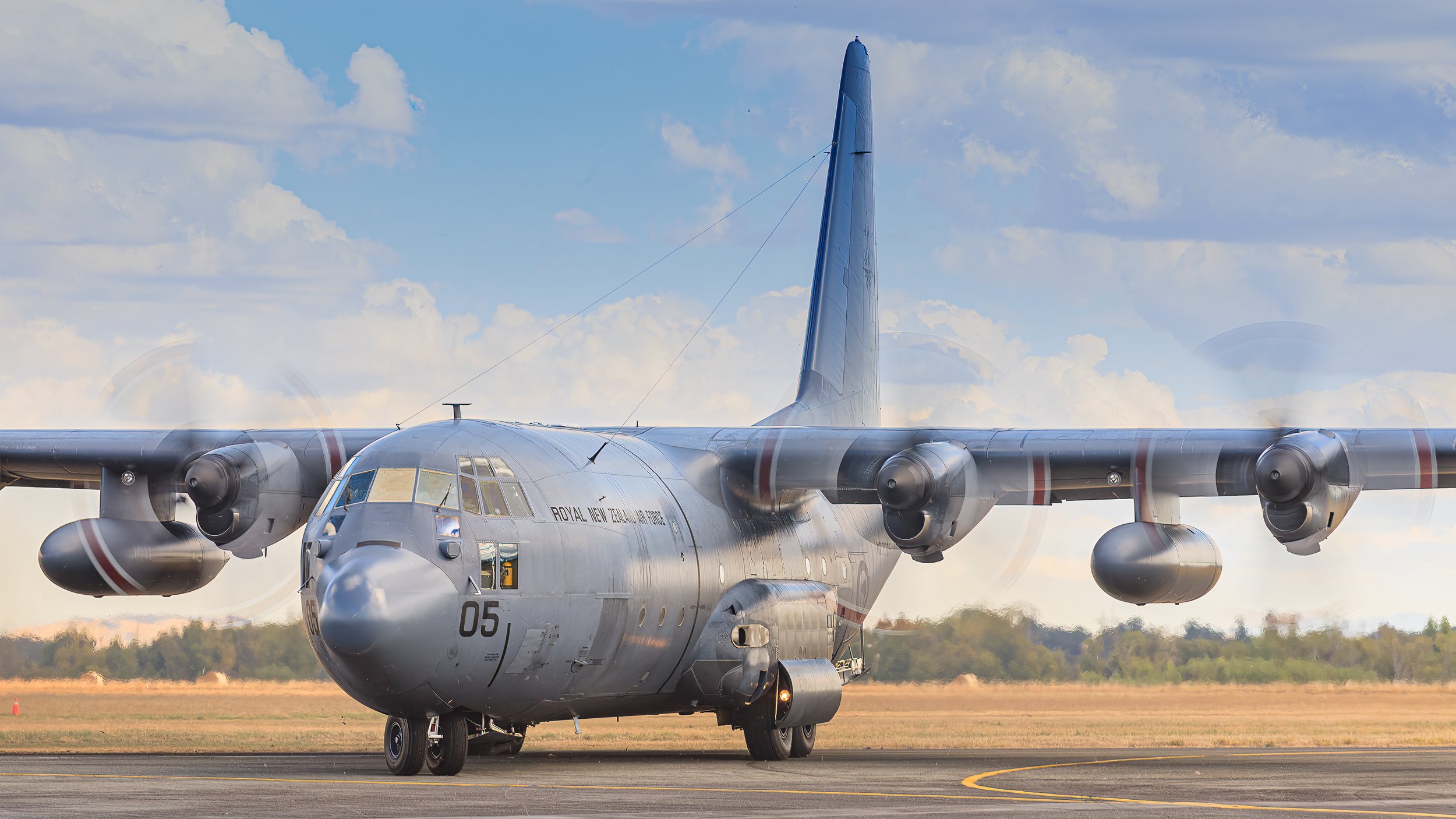
The C-130 Hercules is a four-engine turboprop military transport aircraft designed and built by Lockheed Martin, first introduced in 1954 and serving as a versatile workhorse for military and humanitarian missions worldwide. Known for its exceptional reliability, rugged design, and ability to operate from unprepared runways, the Hercules has been continuously produced longer than any other military aircraft in history, with over 2,600 aircraft built for more than 60 nations. Its remarkable adaptability has seen it serve in numerous roles beyond transport, including aerial refueling, search and rescue, scientific research, weather reconnaissance, aerial firefighting, maritime patrol, and special operations, making it one of the most successful and widely used military aircraft in modern history. The C-130 has been instrumental in countless humanitarian relief efforts, military operations, and conflict zones, earning a reputation for dependability in the most challenging environments from arctic conditions to desert landscapes and tropical terrains.

The Boeing C-17 Globemaster III is a revolutionary heavy-lift strategic transport aircraft that has transformed military and humanitarian airlift capabilities since its introduction in 1995. This massive aircraft combines unprecedented versatility with the ability to operate from short, austere runways while carrying substantial payloads - up to 169,000 pounds of cargo or 102 paratroopers. Distinguished by its high-mounted swept wings, T-tail, and four Pratt & Whitney F117-PW-100 turbofan engines, the C-17 can perform tactical airlift, medical evacuation, and airdrop missions, while also serving as a strategic transport for intercontinental range missions. The aircraft's advanced features, including its ability to perform steep approaches, tight turns, and reverse taxiing, allow it to access smaller airfields typically reserved for much smaller aircraft. The C-17's proven reliability and flexibility have made it an essential asset for military operations, disaster relief, and humanitarian missions worldwide, serving with the U.S. Air Force and several allied nations.

The de Havilland Venom was a British single-seat jet-powered fighter-bomber that evolved from the earlier de Havilland Vampire, entering service with the RAF in 1952. Distinguished by its distinctive twin-boom design and Ghost turbojet engine, the Venom offered significant improvements over its predecessor, including a thinner wing, more powerful engine, and enhanced weapons capability. The aircraft proved particularly effective in the ground attack role, serving with distinction during the Malayan Emergency and the Suez Crisis, where its combination of maneuverability and weapons load made it well-suited for close air support missions. The Venom's night fighter variant, the Sea Venom, became the Fleet Air Arm's first all-weather jet fighter, featuring radar equipment and serving aboard British aircraft carriers. Despite being overshadowed by later fighters like the Hunter, the Venom proved to be a capable and reliable aircraft that served with several air forces, including Switzerland, which operated the type until 1983.

The Hawker Hunter was a British transonic jet fighter developed in the early 1950s that set new standards for aesthetics and performance in military aviation. First entering service with the RAF in 1954, the Hunter combined elegant design with exceptional handling characteristics, powered by the Rolls-Royce Avon turbojet engine that enabled it to easily break the sound barrier in a dive. The aircraft's versatility led to numerous variants, evolving from a pure interceptor to include ground-attack and reconnaissance roles, while its export success saw it serve with over 20 air forces worldwide. Notable for its remarkable longevity, the Hunter remained in service for decades after its introduction, with some air forces operating the type well into the 1990s. The aircraft's blend of performance, reliability, and adaptability made it one of Britain's most successful military aircraft exports, while its clean lines and graceful appearance have led many aviation enthusiasts to consider it one of the most beautiful jet fighters ever built.

The McDonnell Douglas F/A-18A Hornet was developed in the late 1970s as the U.S. Navy's first dedicated multi-role fighter, capable of seamlessly switching between air-to-air and air-to-ground missions. Born from the YF-17 prototype, the Hornet introduced several revolutionary features including dual digital fly-by-wire controls, twin engines for reliability over water, and the ability to quickly reconfigure between fighter and attack roles without returning to base. Powered by two General Electric F404 turbofan engines, the F/A-18A could reach speeds of Mach 1.8 and demonstrated exceptional maneuverability at both high and low speeds. The aircraft's rugged design, advanced avionics suite, and ability to operate from aircraft carriers made it a game-changer for naval aviation, serving with distinction in numerous conflicts including Operation Desert Storm. The original F/A-18A's success led to multiple improved variants and eventually the Super Hornet family, cementing its place in naval aviation history.t.

The General Dynamics F-16 Fighting Falcon, commonly known as the "Viper" by its pilots, is one of the most successful and widely-used multi-role fighter aircraft ever produced. First introduced in 1978, this single-engine fighter was designed as a lightweight day fighter but evolved into a highly capable all-weather multi-role aircraft through numerous upgrades and variants. The F-16's revolutionary features included a relaxed static stability/fly-by-wire flight control system, a side-mounted control stick, a bubble canopy for exceptional visibility, and a 30-degree reclined seat to help pilots withstand high g-forces. With over 4,600 aircraft produced and service in more than 25 countries, the F-16's blend of maneuverability, advanced avionics, and cost-effectiveness has made it a mainstay of modern air forces. Despite being over four decades old, the F-16 continues to receive updates and remains a frontline fighter, demonstrating remarkable longevity and adaptability in an ever-evolving battlefield environment.
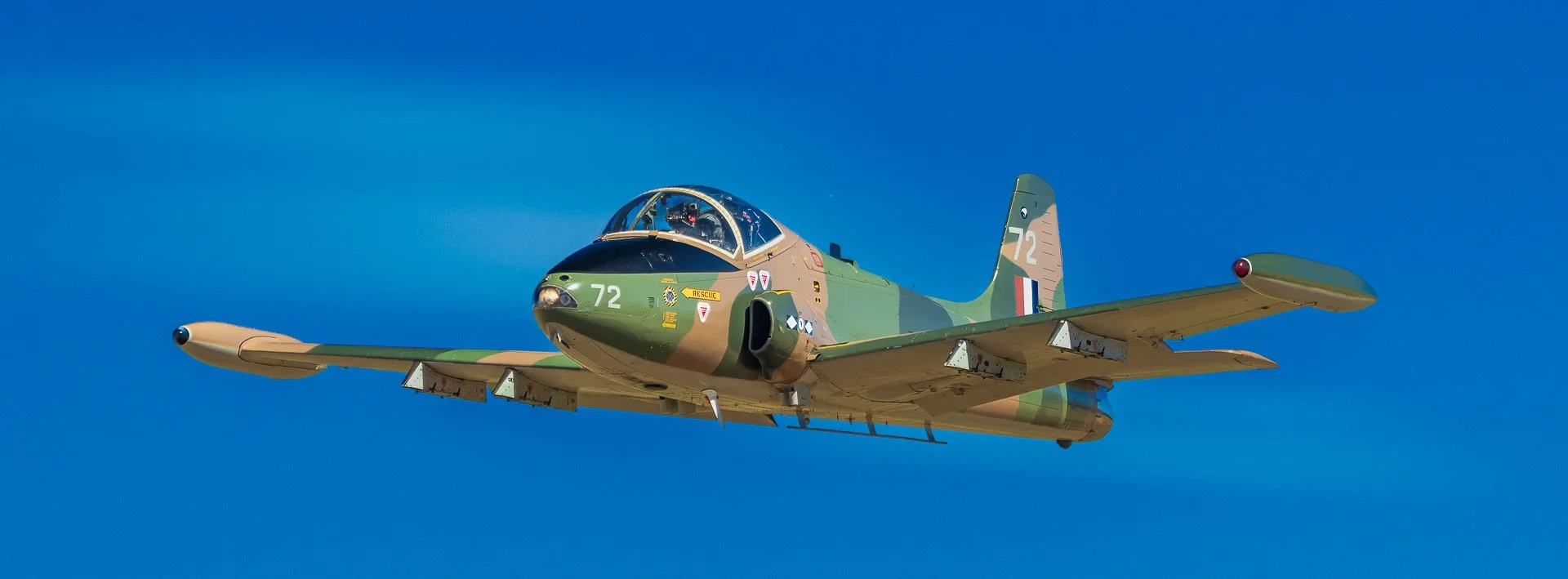
The BAC Strikemaster was a British light attack and training aircraft developed in the 1960s as a dedicated ground-attack variant of the successful Jet Provost trainer. The aircraft featured a strengthened airframe, improved avionics, two 30mm ADEN cannons, and underwing hardpoints for carrying bombs, rockets, and fuel tanks, making it a versatile platform for both training and light combat operations. First flying in 1967, the Strikemaster found significant success in the export market, serving with air forces in Saudi Arabia, Kuwait, Kenya, New Zealand, and several other nations, where it was used for both advanced training and counter-insurgency operations. Powered by a single Rolls-Royce Viper turbojet engine, the Strikemaster was capable of speeds up to 450 mph and proved particularly effective in hot and high conditions, making it well-suited to operations in the Middle East and Africa.

The de Havilland Vampire was a British jet fighter developed and manufactured by the de Havilland Aircraft Company. It was the second jet fighter to enter service with the Royal Air Force (RAF), following the Gloster Meteor. Here's a brief overview:
The Vampire first flew in 1943 and entered operational service with the RAF in 1946. It was notable for its distinctive twin-boom design and a single engine configuration, powered by a de Havilland Goblin turbojet. The aircraft featured a largely wooden construction, which was unusual for a jet fighter but allowed for rapid production using non-strategic materials in the immediate post-war period.
Initially designed as an interceptor, the Vampire proved to be a versatile aircraft, serving in various roles including ground attack, night fighter, and trainer. It was exported widely and operated by numerous air forces around the world, contributing significantly to the jet age transition for many nations.
The Vampire set several aviation firsts, including being the first jet aircraft to cross the Atlantic Ocean and the first jet to land on an aircraft carrier. Its success led to further developments, including the de Havilland Venom.
Although eventually outclassed by swept-wing designs, the Vampire remained in front-line service with the RAF until 1955 and continued in secondary roles for many years after. Its two-seat trainer variant, the Vampire T.11, had a particularly long service life, remaining active with the RAF until 1966.
Civil Aircraft
P h o t o G a l l e r i e s
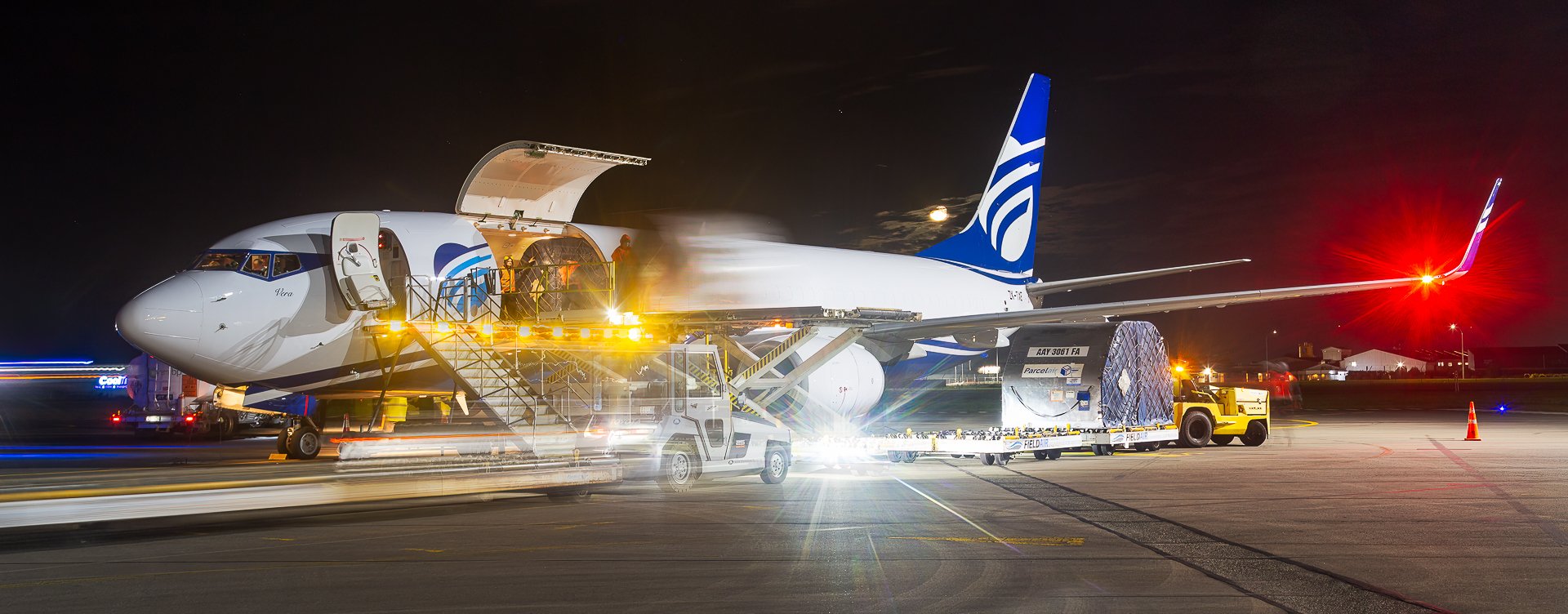
The Boeing 737 has been successfully adapted into several cargo variants, serving as an efficient freighter for express parcel carriers, freight operators, and passenger airlines needing cargo capacity. The primary purpose-built cargo version is the 737-800BCF (Boeing Converted Freighter), created through conversion of retired passenger 737-800s. This process involves removing passenger seats and interior fixtures, reinforcing the cabin floor, installing a large cargo door on the left forward fuselage, and adding a cargo handling system. The 737-800BCF can carry up to 23.9 tons of cargo in a combination of standard cargo containers and pallets, making it ideal for time-sensitive express freight operations. Other converted variants include the 737-300F, 737-400F, and older 737-200C/F models. Boeing and authorized conversion companies have converted hundreds of retired passenger 737s into freighters, giving these aircraft a profitable second career.
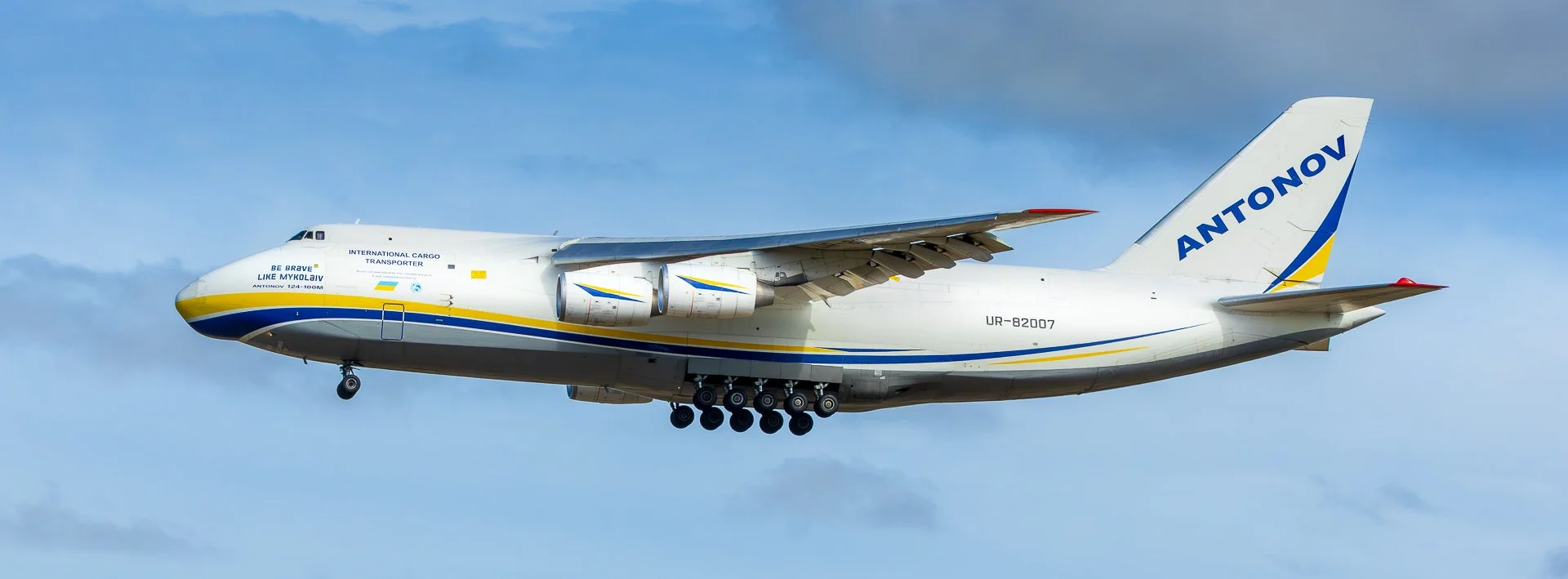
The Antonov An-124 Ruslan (NATO reporting name "Condor") is a strategic airlift aircraft designed by the Antonov Design Bureau in the Soviet Union during the 1980s. When it entered service in 1986, the An-124 was the world's largest production cargo aircraft, a distinction it held until the appearance of its larger sibling, the An-225 Mriya. The An-124 is powered by four Progress D-18T turbofan engines and features a maximum payload capacity of 150 tons, with a cargo hold measuring 36 meters long, 6.4 meters wide, and 4.4 meters high. The aircraft's distinctive design includes nose and tail cargo doors that allow drive-through loading and unloading, a fully pressurized cargo compartment, an onboard overhead crane system, and the ability to kneel its landing gear to facilitate loading operations. Its strategic airlift capability made it invaluable for military operations, oversized cargo transport, and humanitarian missions worldwide.
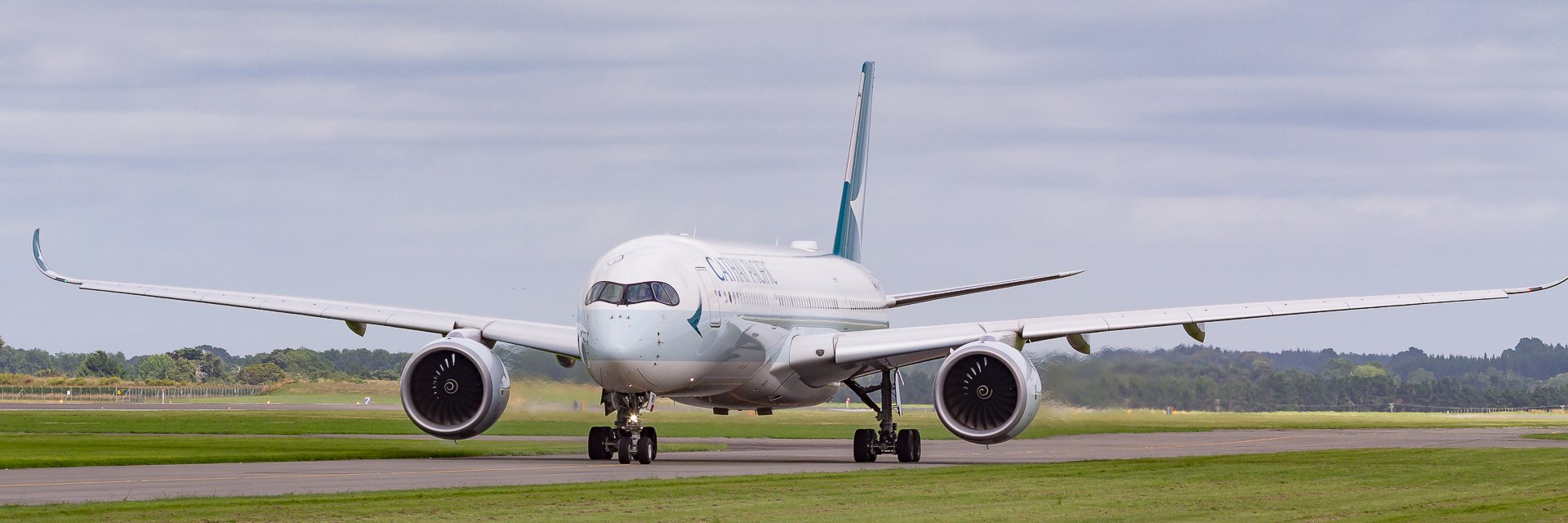
The Airbus A350 XWB (eXtra Wide Body) is a family of long-range, wide-body twin-engine jet airliners developed by Airbus to compete directly with the Boeing 787 Dreamliner and 777. First entering service in 2015 with Qatar Airways, the A350 represents Airbus's most advanced commercial aircraft, featuring extensive use of composite materials—approximately 53% of the airframe is made from carbon fiber reinforced polymer, along with titanium and modern aluminum alloys. This advanced construction results in a lighter, more fuel-efficient aircraft with lower maintenance requirements. The A350 is powered by two Rolls-Royce Trent XWB engines, which are among the most efficient and quietest jet engines in commercial aviation. The aircraft family consists primarily of two variants: the A350-900, seating typically 300-350 passengers, and the longer A350-1000, accommodating 350-410 passengers in standard configurations.
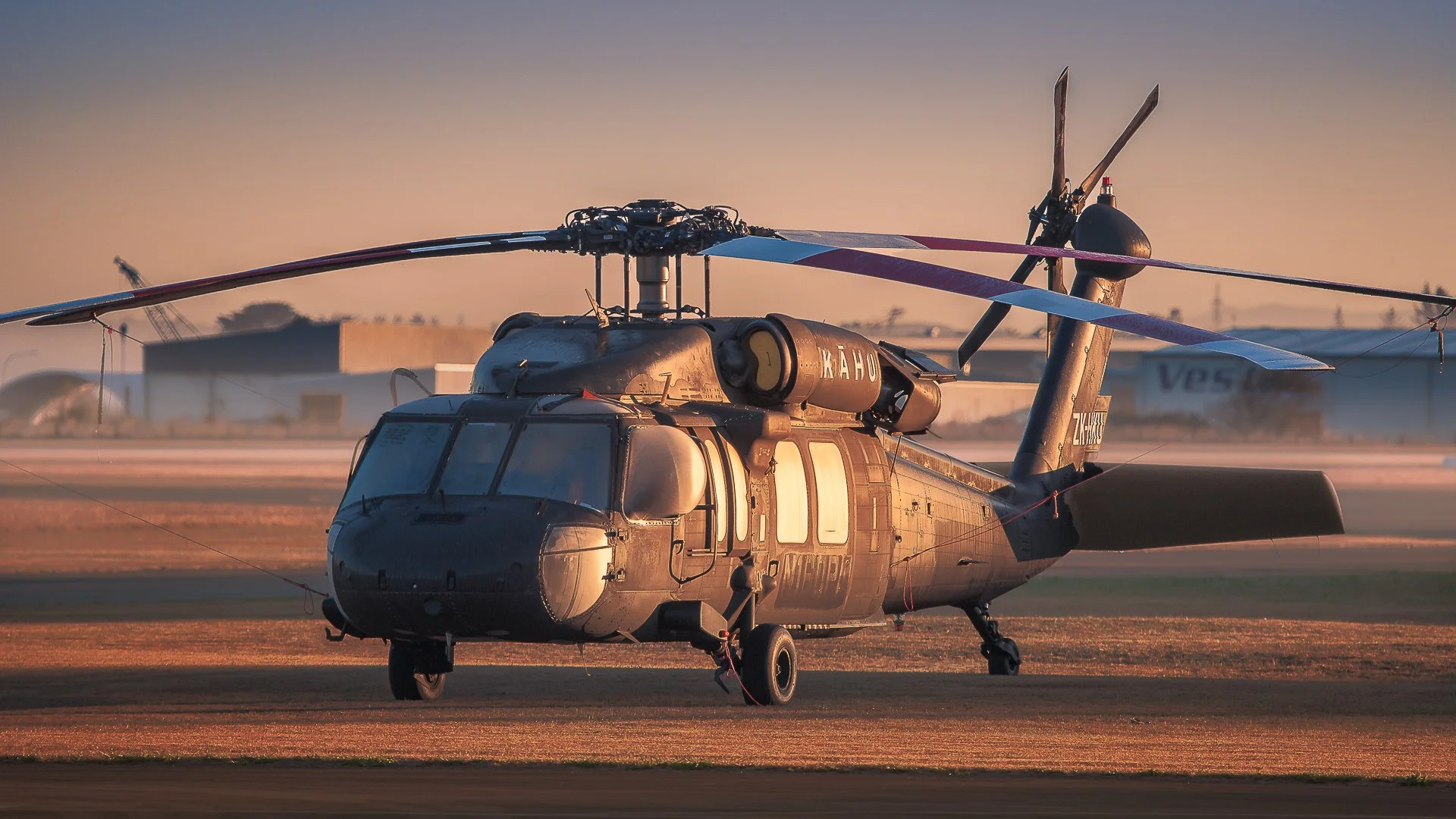
The Sikorsky EH-60A Black Hawk is a specialized electronic warfare and signals intelligence (SIGINT) variant of the ubiquitous UH-60 Black Hawk helicopter. Developed in the 1980s for the United States Army, the EH-60A was designed to perform electronic countermeasures, communications jamming, and electronic intelligence gathering missions in support of ground operations. The "EH" designation stands for "Electronic Helicopter," reflecting its primary mission of electronic warfare rather than transport or assault. These aircraft were modified from standard UH-60A airframes with the addition of extensive electronic equipment, antennas, and specialized mission systems housed both internally and in external pods or fairings.
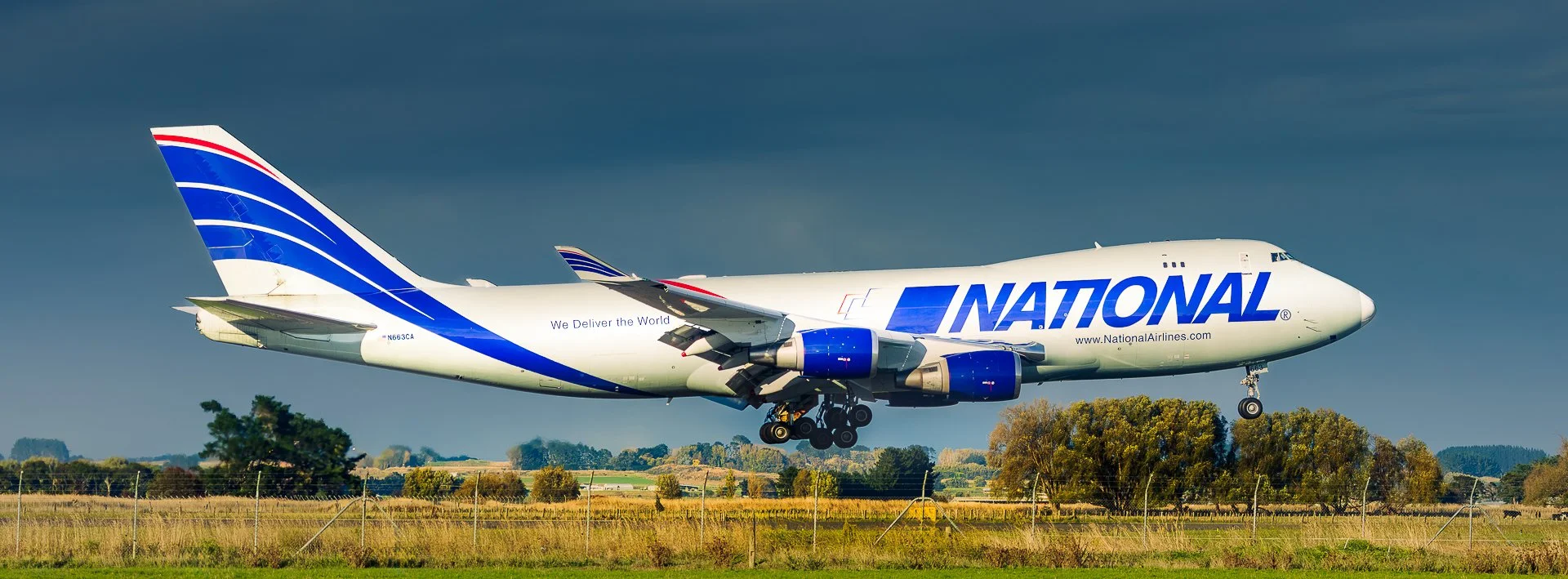
The Boeing 747, often affectionately known as the "Jumbo Jet" or "Queen of the Skies," is one of the most iconic and recognizable aircraft in aviation history. First introduced in 1970, the 747 revolutionized air travel by being the world's first wide-body airliner and, for decades, the largest passenger aircraft in operation. Its distinctive hump-shaped upper deck, originally designed to accommodate a cockpit that could convert the nose into a cargo door, became an instantly recognizable silhouette. The 747 was developed in the late 1960s at enormous financial risk to Boeing, but it proved to be a commercial and cultural success that transformed long-distance air travel by making it more accessible and economical.

Rescue helicopters are specialized aircraft designed for critical emergency operations such as search and rescue (SAR), medical evacuations, and disaster response. These versatile machines are equipped with advanced features to handle a wide range of challenging situations. Typically featuring spacious cabins to accommodate medical equipment and stretchers, rescue helicopters often include winches for hoisting, powerful searchlights, infrared cameras for night operations, and sophisticated communication systems. Many are outfitted as flying ambulances, capable of providing in-flight medical treatment and patient stabilization.
The design of rescue helicopters prioritizes performance in adverse conditions, with models like the Sikorsky S-92, AgustaWestland AW139, Eurocopter EC135, and Bell 412 being popular choices for their range, speed, and ability to operate in challenging weather. These aircraft play a crucial role in various scenarios, from maritime and mountain rescues to disaster relief efforts, leveraging their unique ability to access difficult terrain and hover in place. Their speed and versatility make them invaluable assets in emergency situations where rapid response can mean the difference between life and death.
World War Two
P h o t o G a l l e r i e s b y A i r c r a f t

The Avro Anson Mk1, affectionately known as "Faithful Annie," was a British twin-engine aircraft that began its service life as a maritime reconnaissance platform but found its true calling as a multi-engine training aircraft during World War II. First introduced in 1936, the Anson was initially designed for coastal patrol and light transport duties, but its stable flying characteristics and spacious cabin made it an ideal platform for training aircrew members, particularly navigators, radio operators, and bombardiers. Despite its relatively modest performance, with two Armstrong Siddeley Cheetah IX engines providing a maximum speed of around 188 mph, the Anson proved incredibly versatile and reliable, serving as a crucial training platform for the British Commonwealth Air Training Plan, which prepared thousands of aircrew for wartime service. The aircraft's docile handling characteristics and forgiving nature helped it remain in RAF service until 1968, making it one of the longest-serving military aircraft of its era.

The North American T-6 Texan (known as the Harvard in British Commonwealth service) was one of the most successful and widely-used military training aircraft ever produced, earning the nickname "the pilot maker" during its extensive service life. Introduced in 1935, this advanced trainer bridged the gap between primary trainers and frontline fighters, featuring a powerful Pratt & Whitney R-1340 radial engine, retractable landing gear, and a complex flight control system that helped prepare pilots for the high-performance combat aircraft they would eventually fly. More than 15,000 T-6s were built and served with over 60 different air forces around the world, playing a crucial role in training hundreds of thousands of pilots during World War II and continuing in service with some nations well into the 1990s. The aircraft's robust construction, forgiving flight characteristics, and ability to perform aerobatics made it an ideal platform for teaching advanced flying techniques, instrument flight, and formation flying.

The Grumman TBF Avenger was a torpedo bomber that became one of the most effective and widely-used aircraft of World War II, serving with distinction in both the U.S. Navy and Allied forces. Introduced in 1942, the Avenger was significantly larger than its predecessor torpedo bombers and carried a crew of three: pilot, turret gunner, and radioman/bombardier/ventral gunner. Despite a disastrous debut at the Battle of Midway, the Avenger went on to play crucial roles in both anti-submarine warfare and as a torpedo bomber throughout the Pacific campaign, participating in every major naval engagement of the war. Notable for its rugged construction, excellent range, and large internal weapons bay, the Avenger could carry a significant payload including torpedoes, bombs, depth charges, or rockets, making it a versatile platform that remained in service well into the 1960s.
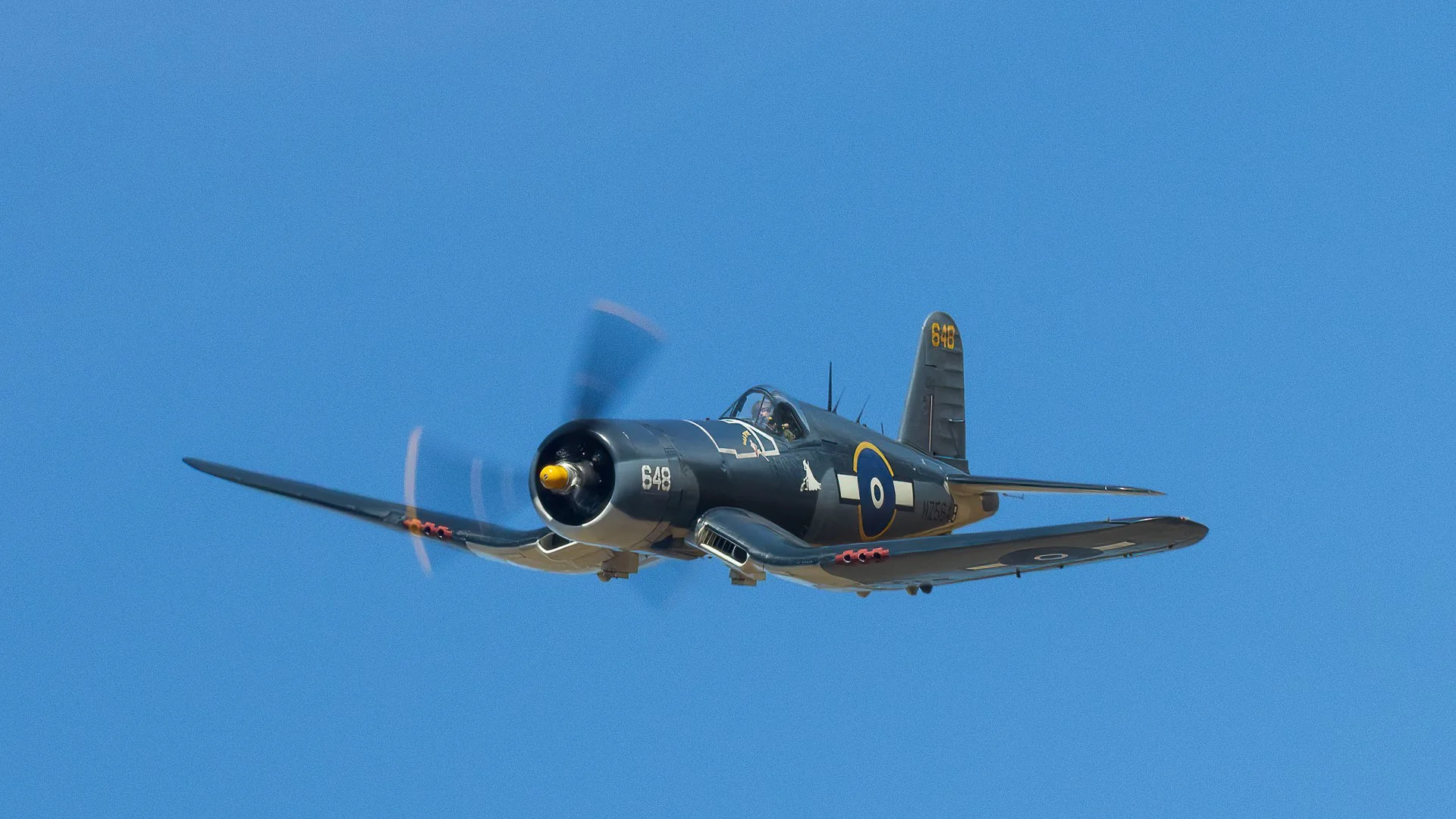
The Vought F4U Corsair was an iconic American fighter aircraft that served primarily in World War II and the Korean War. Instantly recognizable by its distinctive inverted gull wing design, the Corsair was one of the most capable carrier-based fighter-bombers of the era, combining excellent speed, range, and firepower. First introduced in 1942, it proved particularly effective in the Pacific theater, where U.S. Marine Corps and Navy pilots used it to achieve an impressive 11:1 kill ratio against Japanese aircraft. The aircraft's powerful Pratt & Whitney R-2800 Double Wasp engine and distinctive propeller design made it one of the fastest piston-engine fighters of World War II, though early models faced challenges with carrier operations due to poor visibility during landing approaches.

The North American P-51D Mustang was a long-range, single-seat fighter and fighter-bomber used by the Allied forces during World War II and the Korean War. Introduced in 1944, it was a refined version of the earlier P-51 models, featuring a bubble canopy for improved visibility and six .50-caliber machine guns. Powered by the Packard V-1650-7 engine, a license-built version of the Rolls-Royce Merlin, the P-51D was capable of escorting bombers on long-range missions deep into enemy territory. Its combination of speed, maneuverability, and range made it one of the most successful and versatile fighters of World War II, playing a crucial role in achieving air superiority over Europe.

The Curtiss P-40 Warhawk, known as the Kittyhawk in British Commonwealth and Soviet service, was an American single-engined, single-seat, all-metal fighter and ground-attack aircraft that first flew in 1938. It was used extensively by the Allied powers during World War II, and remained in frontline service until the end of the war. The P-40 design was a modification of the previous Curtiss P-36 Hawk, retaining its robust construction and excellent handling characteristics while featuring a more powerful Allison V-1710 engine. Although it was often outclassed by newer fighter aircraft, particularly at high altitudes, the P-40 nevertheless served admirably in various theaters, including North Africa, the Southwest Pacific, and China. The aircraft gained fame through its use by the American Volunteer Group in China, better known as the "Flying Tigers," whose shark-mouth nose art became one of the most recognizable military aviation images of World War II.

The de Havilland Canada DHC-1 Chipmunk is a tandem, two-seat, single-engine primary trainer aircraft developed and manufactured by de Havilland Canada. First flown in 1946, it was designed to succeed the de Havilland Tiger Moth as a primary trainer for the Royal Canadian Air Force and other air forces of the British Commonwealth. The Chipmunk was the first true postwar aviation project by de Havilland Canada, featuring an all-metal airframe, bubble canopy, and tricycle landing gear—all significant advancements over its biplane predecessors. Known for its excellent handling characteristics and forgiving nature, the Chipmunk served for decades as a primary trainer for military pilots and became popular among civilian flying clubs and private owners. Its reliability and longevity have made it a classic in the aviation world, with many still flying today.

The Yakovlev Yak-3 was a Soviet fighter aircraft that served during World War II, entering service in 1944. Designed by Alexander Yakovlev's design bureau, it was a development of the earlier Yak-1 and Yak-7 fighters. The Yak-3 was notable for its exceptional agility, light weight, and high power-to-weight ratio, making it one of the smallest and lightest major combat fighters fielded by any nation during the war. Powered by a Klimov VK-105PF2 engine, it was armed with one 20mm ShVAK cannon and two 12.7mm Berezin UBS machine guns. The Yak-3's excellent low and medium altitude performance made it a favorite among Soviet pilots and a formidable opponent for Luftwaffe fighters on the Eastern Front. Its success in combat led to it being produced in significant numbers, with over 4,800 built by the end of the war.

The de Havilland Mosquito, often affectionately known as the "Wooden Wonder," was a British multi-role combat aircraft that served during World War II and the post-war era. Designed by Geoffrey de Havilland and his team, it first flew in 1940 and entered service in 1941. The Mosquito was revolutionary for its primarily wooden construction, which allowed for high speed and excellent maneuverability while using non-strategic materials. It excelled in various roles including light bomber, night fighter, fighter-bomber, intruder, and photo-reconnaissance aircraft. Known for its versatility and speed, the Mosquito could outrun many enemy fighters of its time, making it a formidable asset in numerous Allied air operations throughout the war.

The Messerschmitt Bf 108 Taifun (Typhoon) was a German single-engine sport and touring aircraft developed in the 1930s. Designed by the Bayerische Flugzeugwerke (Bf), later Messerschmitt AG, under the leadership of Willy Messerschmitt, it first flew in 1934. The Bf 108 was a low-wing cantilever monoplane with all-metal construction, retractable landing gear, and enclosed cabin, which were advanced features for its time. Although primarily intended for civilian use, its excellent handling characteristics and robust design led to its adoption by the Luftwaffe as a communications and liaison aircraft during World War II. The Bf 108 also served as a testbed for technologies later incorporated into the famous Bf 109 fighter plane.
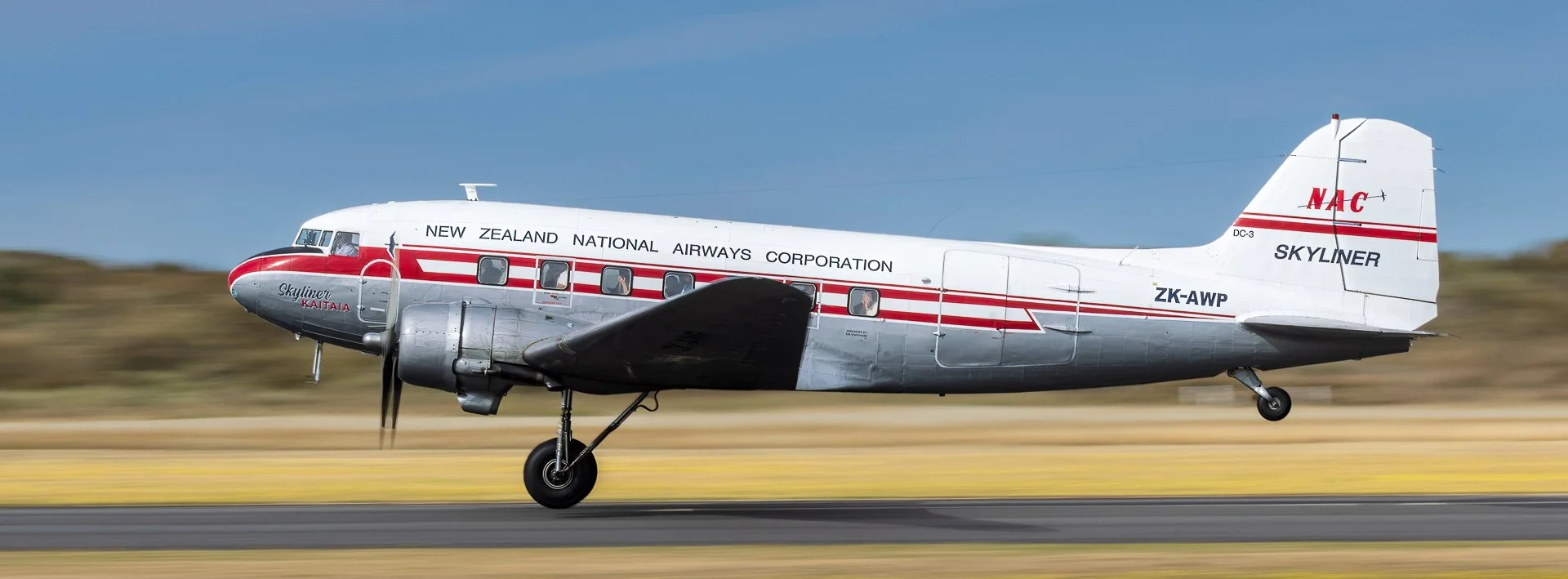
The Douglas DC-3 is a propeller-driven airliner and transport aircraft that revolutionized air travel in the 1930s and 1940s. Developed by the Douglas Aircraft Company, it first flew in 1935 and was introduced into commercial service in 1936. The DC-3 was designed for longer, more comfortable passenger flights and could operate from short runways, making it versatile for both civilian and military use. Its rugged construction, reliability, and good handling characteristics made it immensely popular. During World War II, it was produced as the C-47 Skytrain for military transport, playing a crucial role in numerous operations, including the D-Day invasion. The DC-3's impact on aviation was so significant that it is often regarded as one of the most important transport aircraft ever made, with many still in service today, over 80 years after its introduction.

The Consolidated PBY Catalina was an American flying boat and amphibious aircraft developed in the 1930s and widely used during World War II and beyond. First flown in 1935, it was designed by Consolidated Aircraft to meet the U.S. Navy's need for a long-range maritime patrol bomber. The Catalina was notable for its exceptional endurance, which allowed it to perform extended ocean patrols and search-and-rescue missions. It featured a high-wing configuration, twin radial engines, and a large hull that could land on both water and land (in its amphibious versions). During the war, PBYs served with several Allied nations in various roles including anti-submarine warfare, convoy escort, search and rescue, and long-range reconnaissance. The aircraft's versatility and reliability made it one of the most widely used seaplanes of all time, with many continuing in civilian service for decades after the war as water bombers, cargo, and passenger aircraft.

The Supermarine Spitfire was a British single-seat fighter aircraft that played a crucial role in World War II, particularly during the Battle of Britain. Designed by R.J. Mitchell and produced by Supermarine Aviation Works, the Spitfire first flew in 1936 and entered service with the Royal Air Force in 1938. Known for its elliptical wing design, exceptional maneuverability, and powerful Rolls-Royce Merlin engine, the Spitfire became one of the most iconic and effective fighter planes of its era. Throughout the war, it underwent numerous improvements and variations, remaining in active service well into the 1950s and cementing its place in aviation history.
World War One
P h o t o G a l l e r i e s b y A i r c r a f t
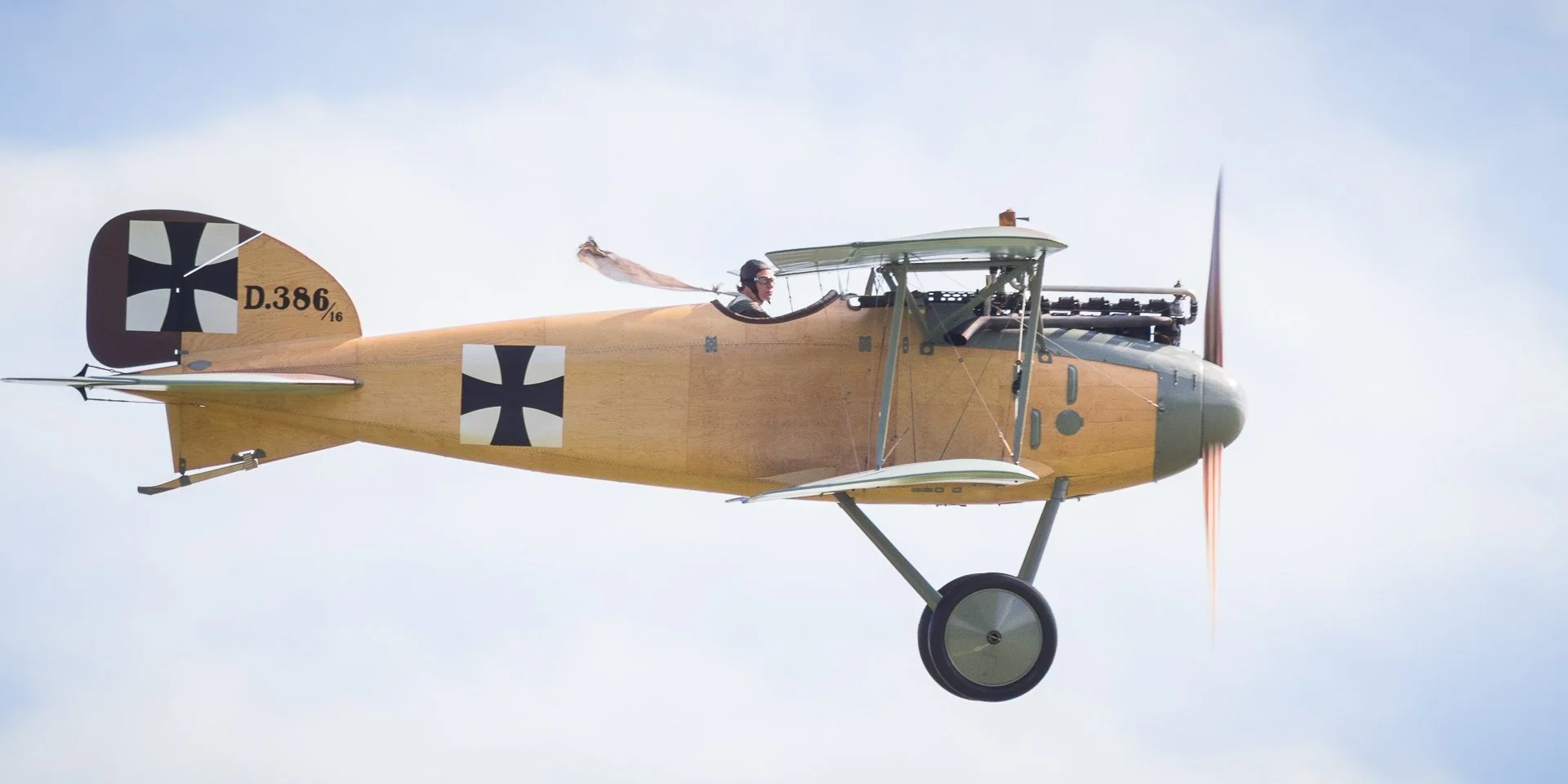
The Albatros D.II was a German fighter aircraft that served with the Luftstreitkräfte (Imperial German Air Service) during World War I, representing a significant advancement in fighter design when it entered service in late 1916. Designed by Albatros Flugzeugwerke, the D.II was an evolution of the earlier D.I model, featuring a more streamlined fuselage, improved aerodynamics, and the distinctive sesquiplane wing configuration—a larger upper wing paired with a significantly smaller lower wing. This design provided excellent visibility and maneuverability while maintaining structural strength. Powered by a Mercedes D.III inline six-cylinder engine producing 160 horsepower, the D.II was armed with two synchronized 7.92mm LMG 08/15 machine guns firing through the propeller arc, giving German pilots a significant firepower advantage over many Allied fighters of the period that still carried only a single gun.

The Sopwith 7F.1 Snipe was a British single-seat biplane fighter aircraft developed and manufactured by the Sopwith Aviation Company. It was designed as a replacement for the highly successful Sopwith Camel and entered service with the Royal Air Force (RAF) in the latter months of World War I. First flown in 1917, the Snipe was powered by a Bentley BR2 rotary engine, which provided improved performance over its predecessor. It featured a more robust structure, better visibility for the pilot, and increased armament, typically consisting of two synchronized Vickers machine guns. Although it arrived too late to have a significant impact on the war, the Snipe proved to be an excellent fighter, combining good maneuverability with a higher speed and ceiling than the Camel. It remained in RAF service into the early 1920s, serving as the RAF's standard single-seat fighter until being replaced by the Gloster Grebe in 1924.
Project Brief
This project has been going on in one form or other since I first picked up a camera, but took a major step forward at the 2012 air show at Ohakea air base. In 2012, I made a few decisions which changed my approach and increased the rate of success, they included the purchasing of a longer lens, research and regular practice. To be fair those decisions are good steps to improve at anything and are well worth investing in. But they are not the only reason or even the major reason for my improvement, they just put me in a place that I could then receive a few gifts.
The 2012 Airshow at Ohakea Airbase, is famous for a couple of reasons. Firstly because of many factors including the major earthquake a few weeks earlier in Christchurch, the traffic management plan failed and a lot of the main roads in the Manawatu were turned into parking lots. The second reason it is famous, at least for those that made it, the lack of crowd numbers made access to some shots a lot easier.
You maybe asking how I made it out when so many others didn’t. The reason I can see now makes me a different aviation photographer than many others. I cut my teeth in photography as a landscape photographer, in 2012 I wanted to photograph an F18 Hornet that was being displayed as a static aircraft. How would a landscape photographer approach this, easy get up early when the best light is around and people aren’t, sunrise! Then approach the aircraft like it is foreground subject in the landscape. The story of how I got on base so early is a fun one, ask me some time.
What gift did I get at the Airshow? A piece of gear? No, it was the gift of community… People who selflessly help others take that next step. At the airshow I met several professional aviation photographers who took an interest in my images and offered hints and tips on how to solve some of the issues I was having. Soon after the show I met another person who I have learned so much from. Be respectful, be grateful and pass it on. This includes the pilots, many of them love to see the images you capture of their aircraft, share the images with them freely. These are the keys to getting better and it is way better than gear.
So what are my goals for this project? To capture poster quality images of military, ex military and interesting aircraft that are flying in New Zealand. To give back where I can and make some great friends along the way.
“community… People who selflessly help others take that next step....Be respectful, be grateful and pass it on. This includes the pilots, many of them love to see the images you capture of their aircraft, share the images with them freely. These are the keys to getting better and it is way better than gear.”
Related Blog Posts
Today as the final flights of the RNZAF C-130 H make their way down this beautiful country, we celebrate their 150,000 flying hours and 60 years of service to this country. Whether it be troops, supplies, humanitarian relief or search and rescue, these amazing aircraft did it. To the ice, desert or tiny atoll, they have been there, sometimes in the same week. When it came to a replacement we just brought the newest model of these veterans.
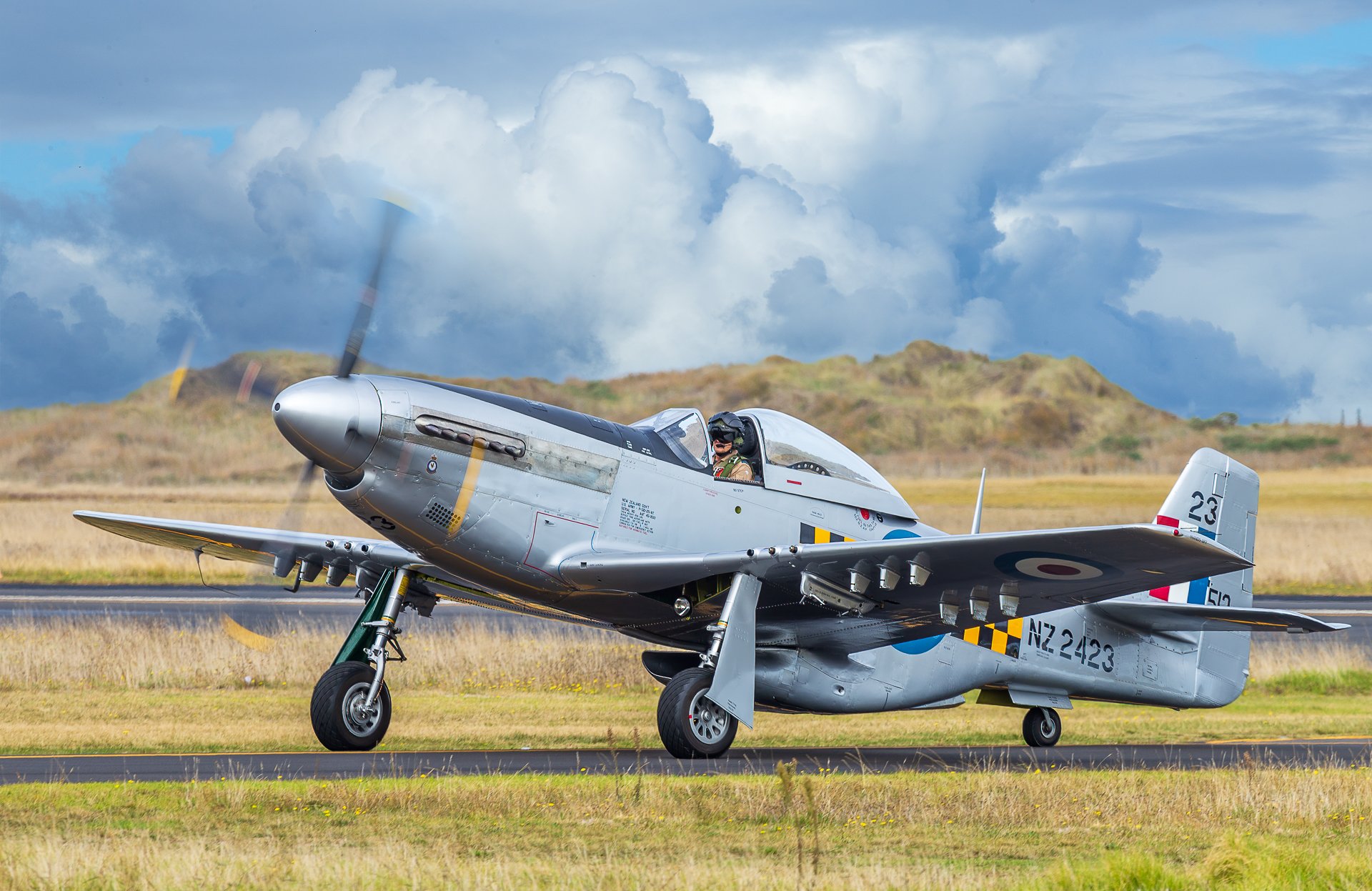
After a long period of storage, meticulous rebuild, and a successful test program. Brendon Deere and Sean Perrett are now showing off this beautiful example of an RNZAF P-51D Mustang to an adoring public.
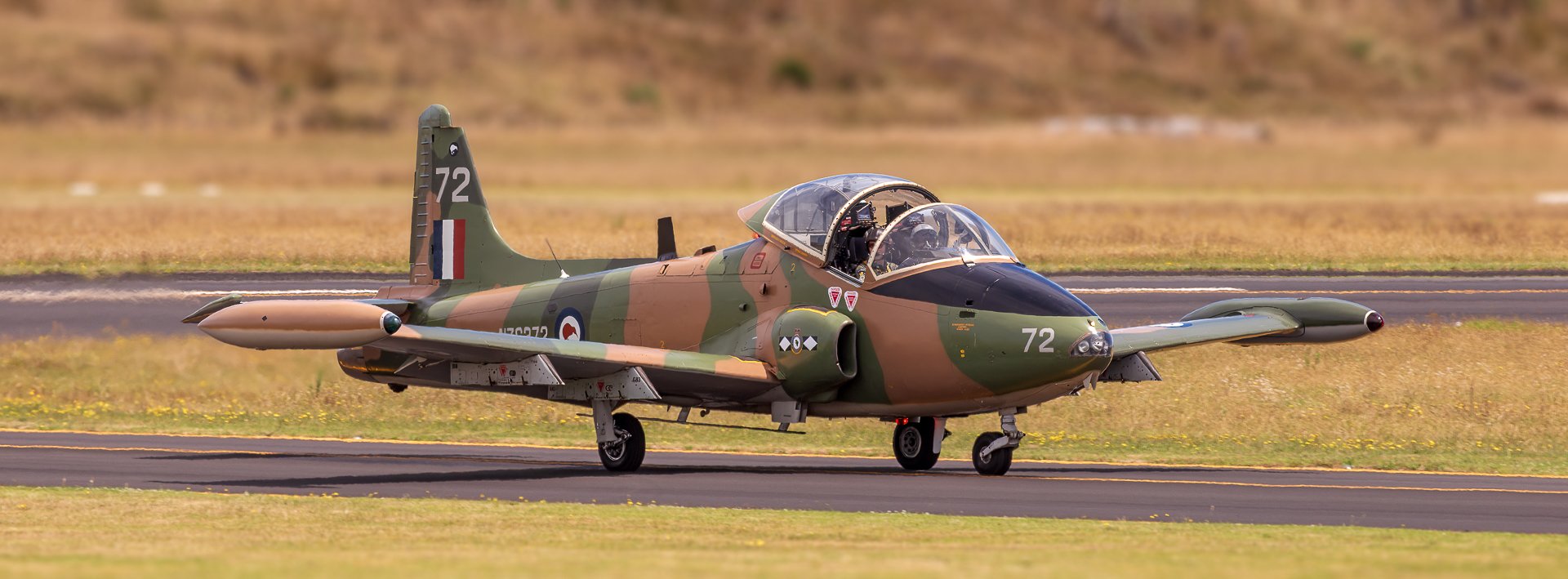
Hey, it's the weekend, and what better way to enjoy it than by checking out some cool pics of the BAC 167 Strikemaster Mk 88? This military aircraft is a real head-turner with its sleek design and powerful vibes. Take a peek at these images, and you'll see what I mean – from the smooth fuselage to those badass wings, it's a perfect mix of style and functionality. So, kick back, relax, and let's appreciate the awesomeness of the BAC 167 Strikemaster Mk 88 as we cruise through the weekend vibes.
Wanganui Aero Club Open Day NZ Strikemaster 72

This plane originally flew with the Royal New Zealand Air Force and is a beautiful example of a Harvard Mk.IIa

De Havilland DH 112 Venom MkI ZK-VNM flying at the Wanganui Aero Club Open-day Wanganui Aero Club Open Day 2024

Just a quick post today, after an email from the guys on base. Always happy to help out the air force.
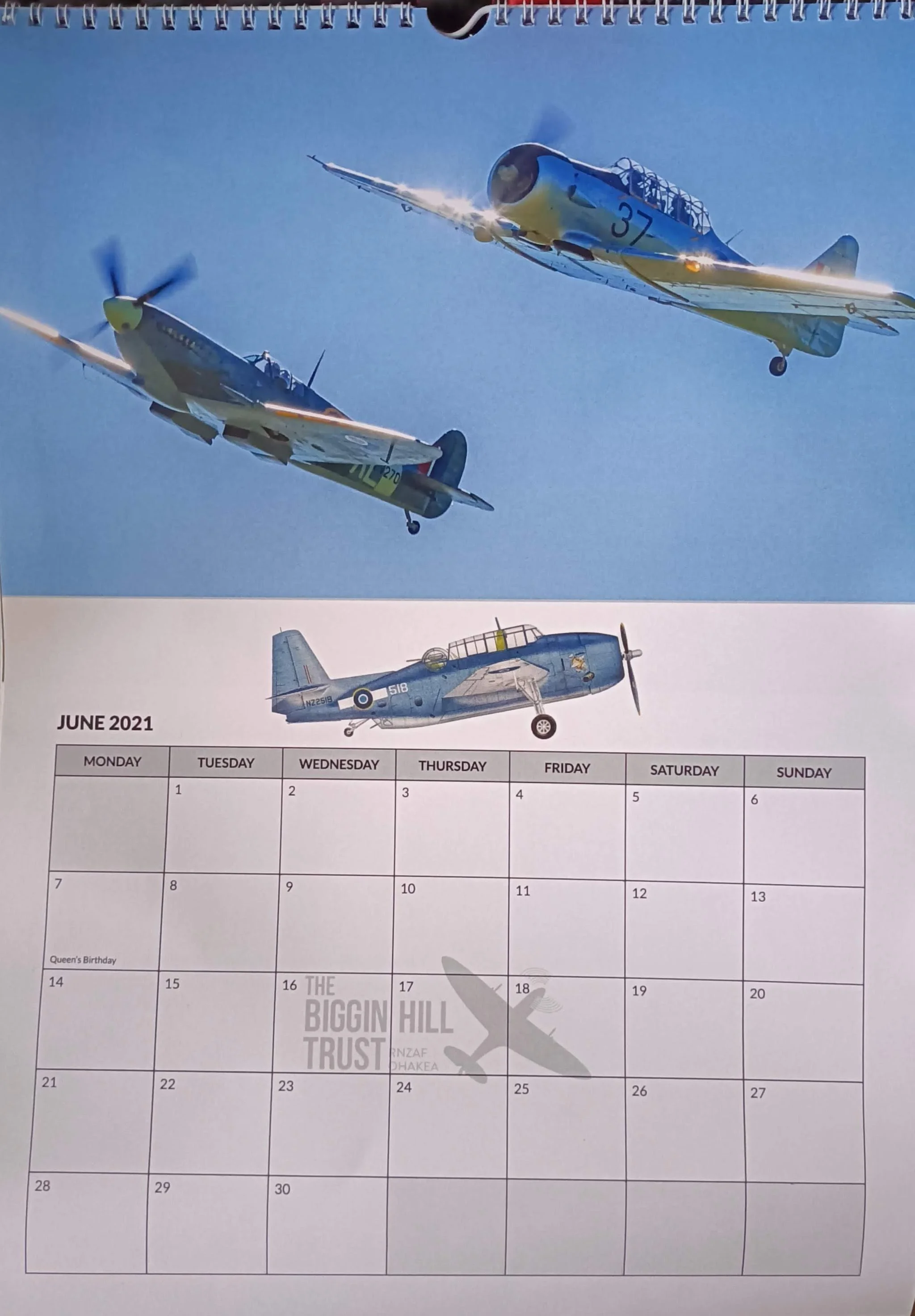
We got some great news in the post today, we did it again with one of our images selected for the 2021 Biggin Hill Historic Aircraft Centre RNZAF Ohakea Calendar. Thanks Brendon.

While driving home to Palmerston North, my watch kept vibrating, I figured it was dropping and then picking up the connection as it does sometimes. When we got home I had messages from what felt like every newspaper in the country. I did probably five interviews by phone and then a few more by email. Then this morning I found out that the image made the front cover of the Dominion Post.

Hot on the heels of the news that we made into the 2020 Biggin Hill Historic Aircraft Centre RNZAF Calendar. We have received news that we have also made it into the 2020 AOPANZ Calendar for our photo of the T51 squadrons display team at this years Wings over Wairarapa.
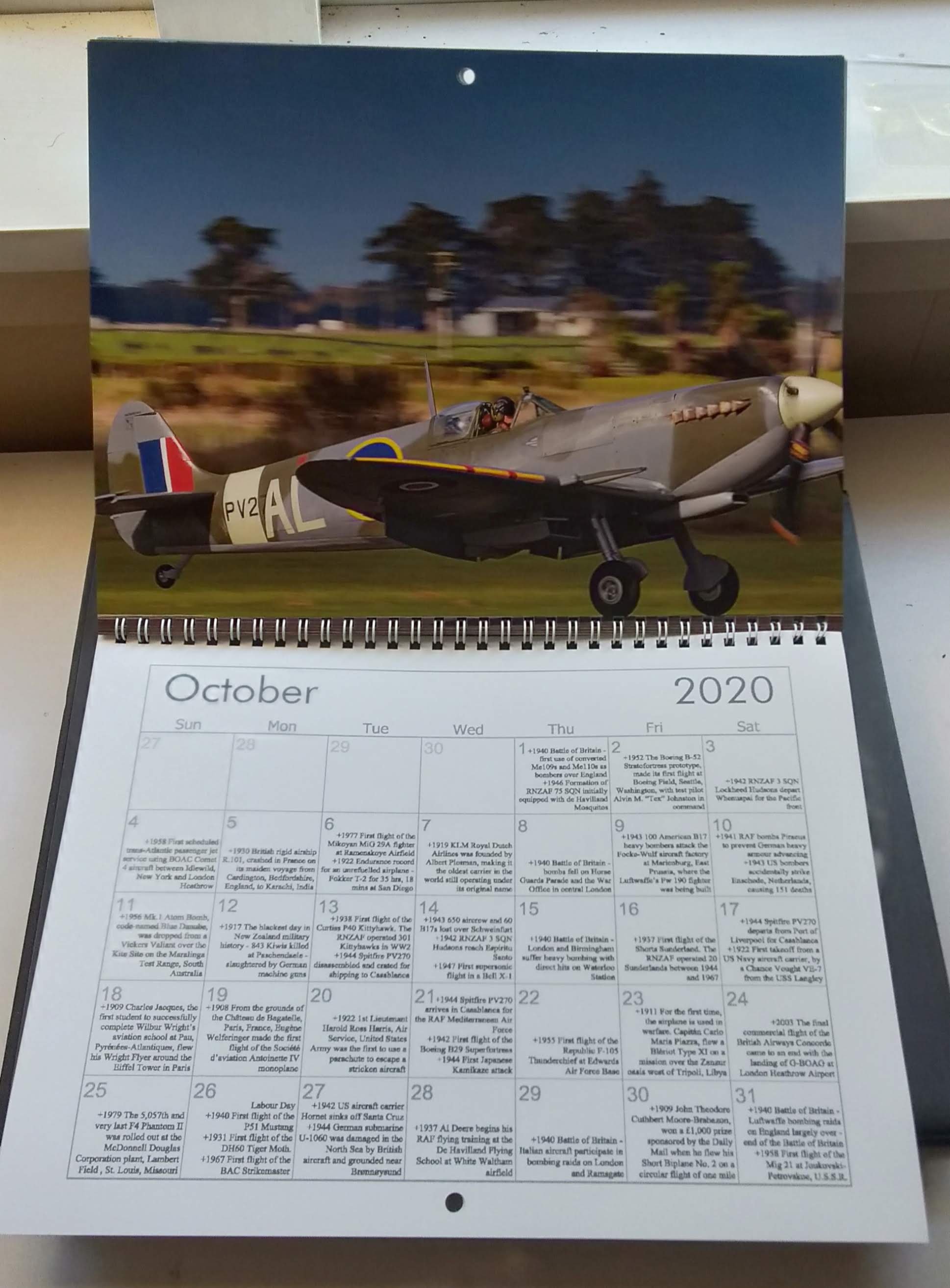
We got some great news in the post today, one of our images was selected for the 2020 Biggin Hill Historic Aircraft Centre RNZAF Calendar. What an honor!
We have all heard the saying “luck is when opportunity meets preparation”. Well we had done the prep… then out of the autumn blue sky, descends the Vought FG-1D Corsair. Surprise! No hints, no insider info—just plain luck. That gull-winged beauty struts its stuff, as it lands on the runway. This is it—a shot that’s been on my bucket-list for a while. No ropes, no crowds, just me, the Corsair, and that boundless blue canvas. If we had known we would miss the Mosquito would we have still gone… no. But because we risked it, trusted our guts, in the end we got something better,