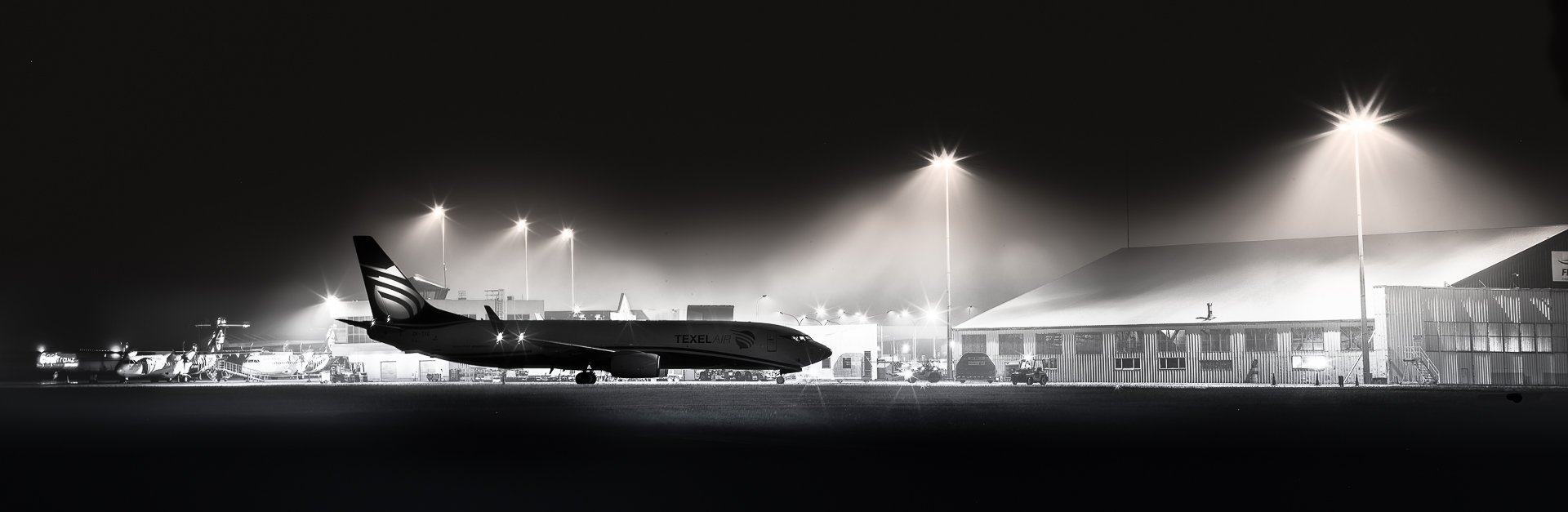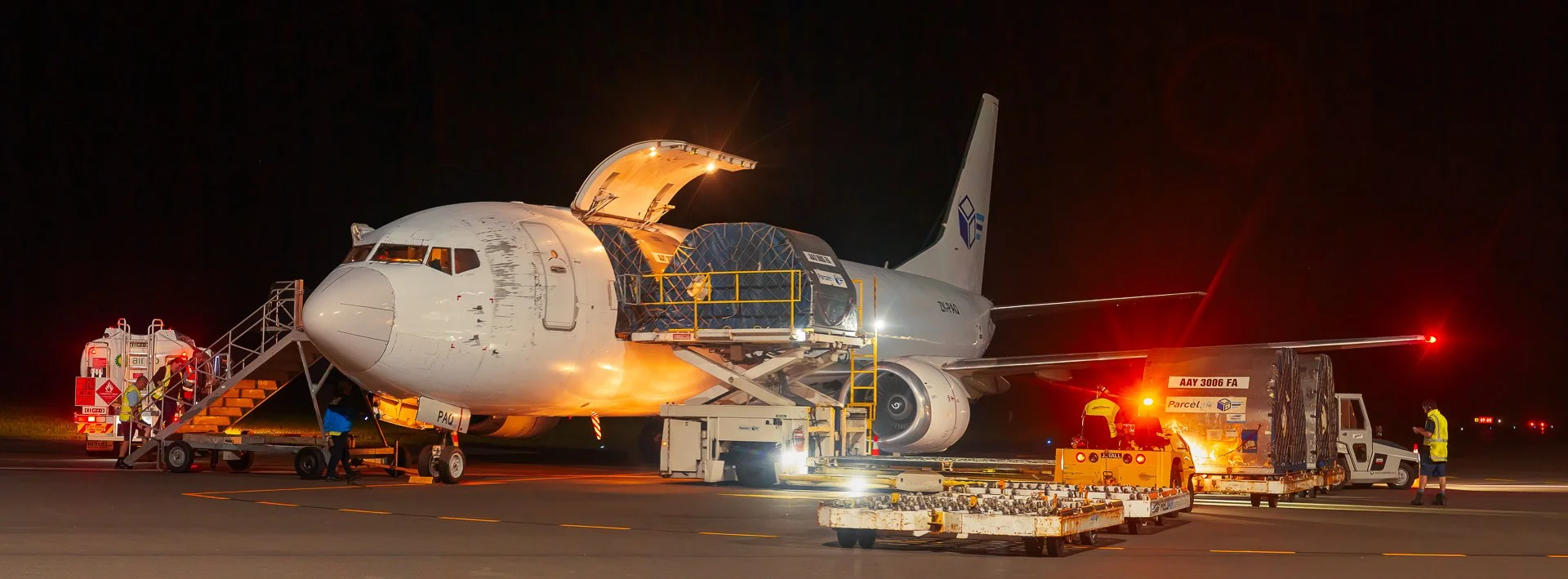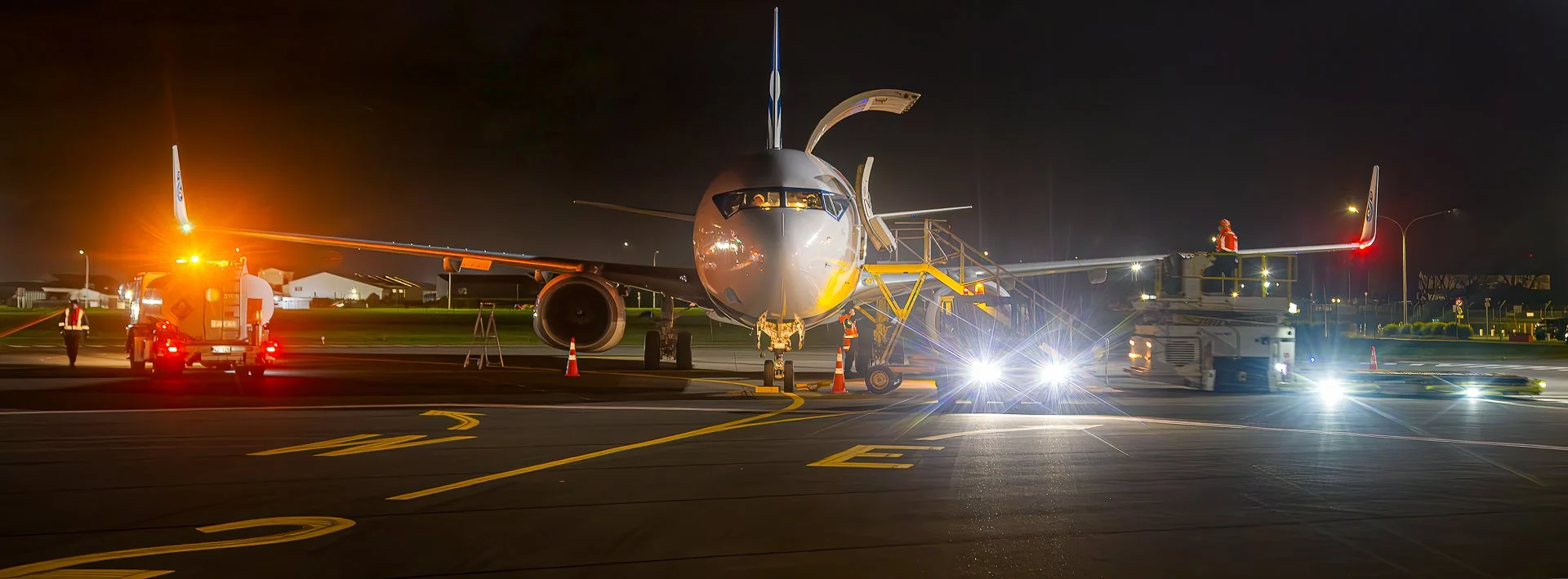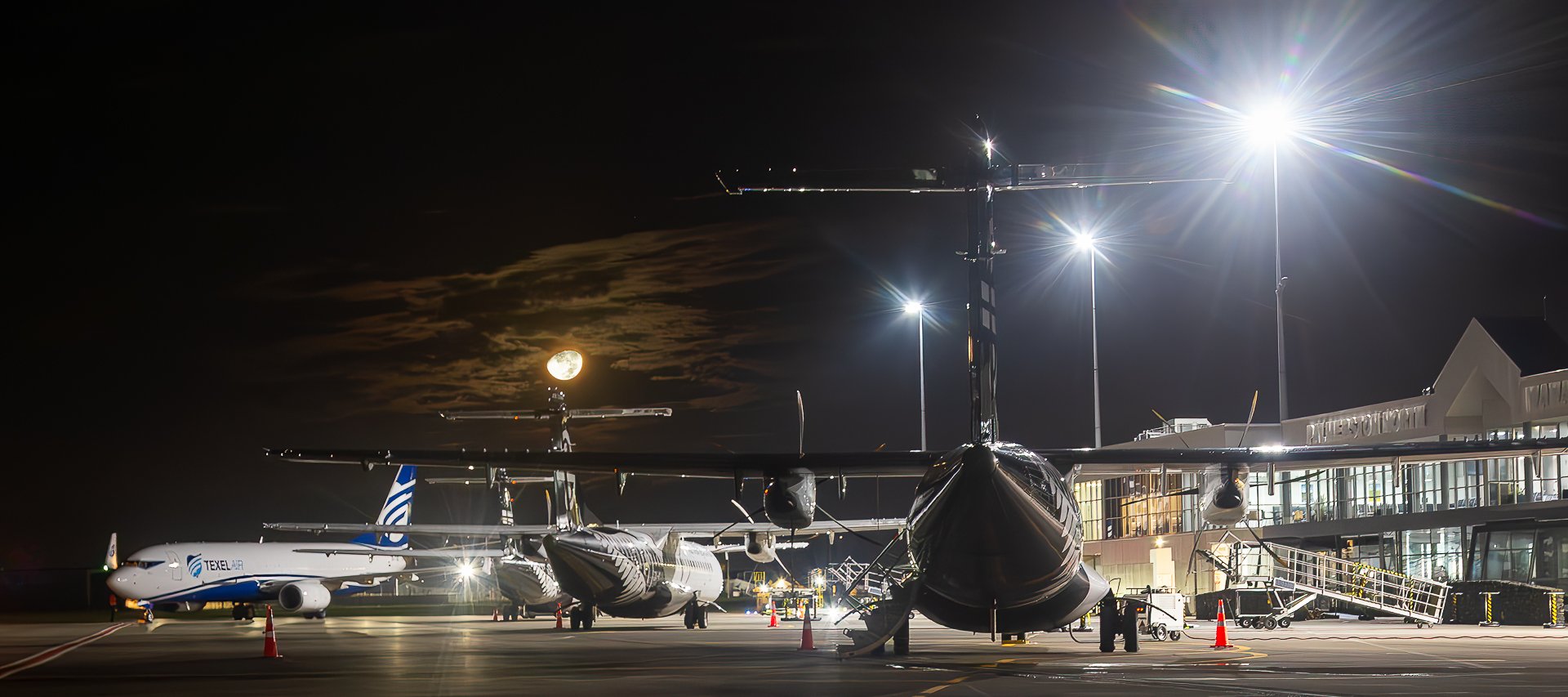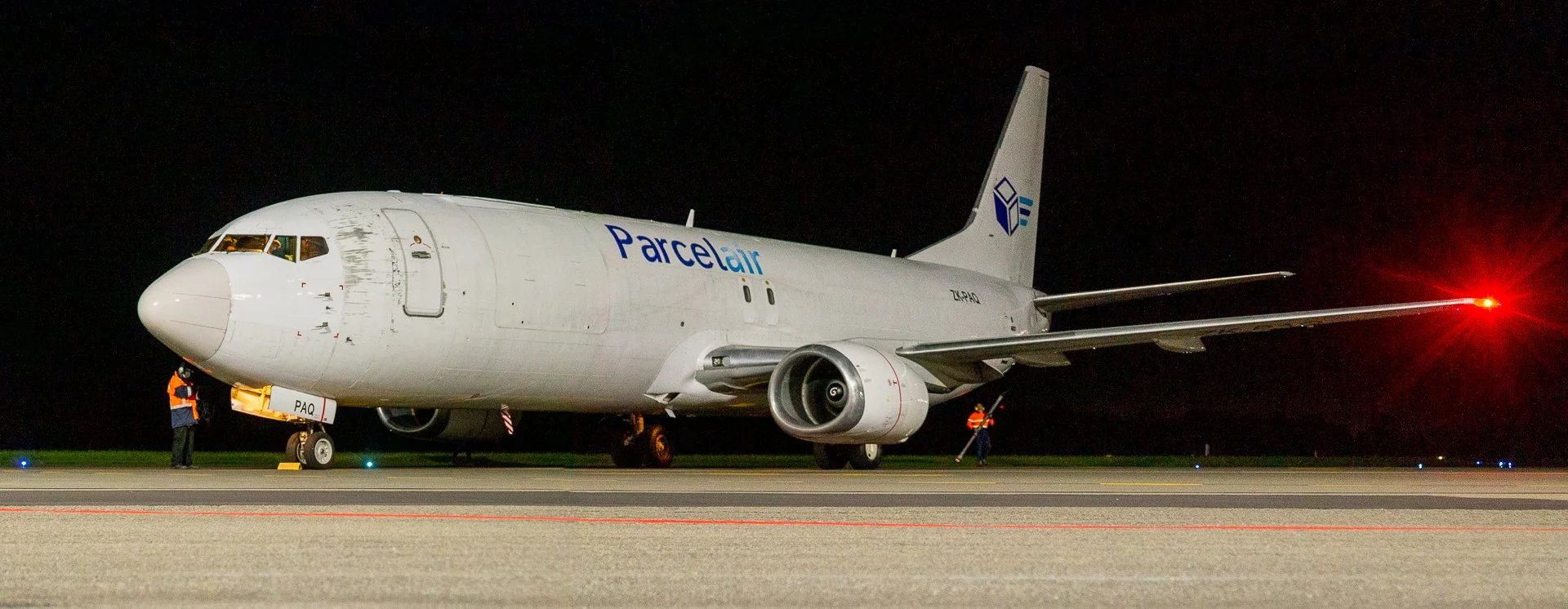
737 Cargo Aircraft
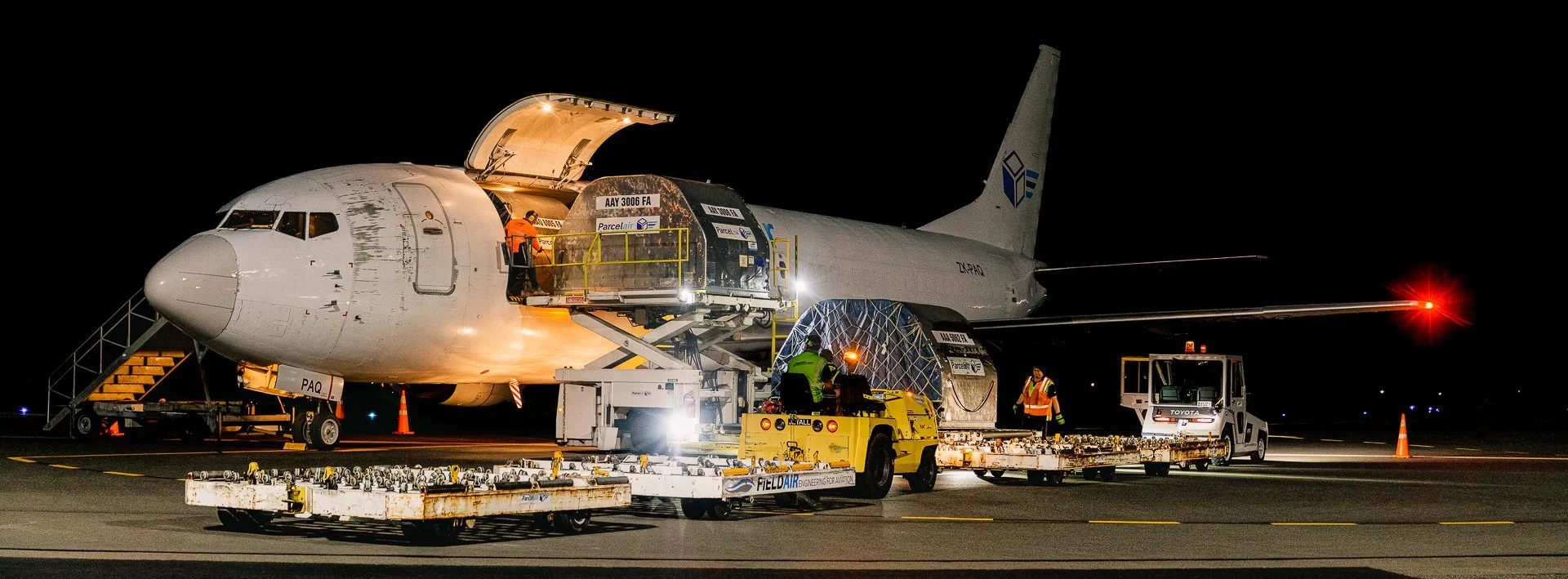
Palmerston North Airport, Manawatu
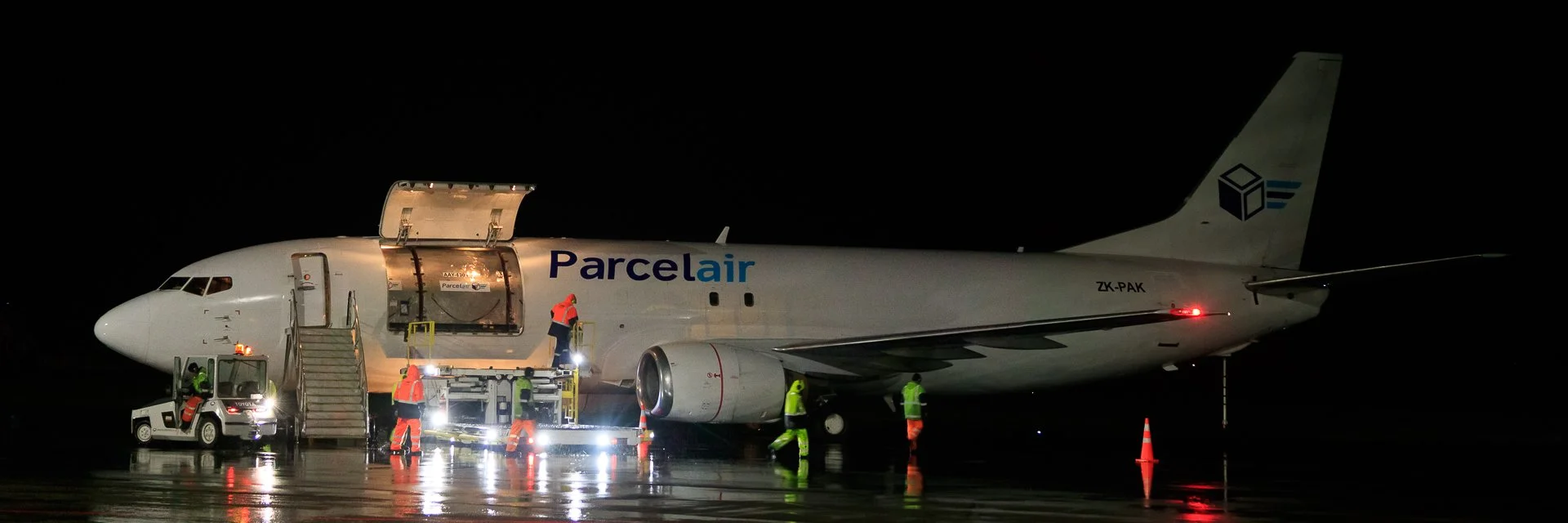
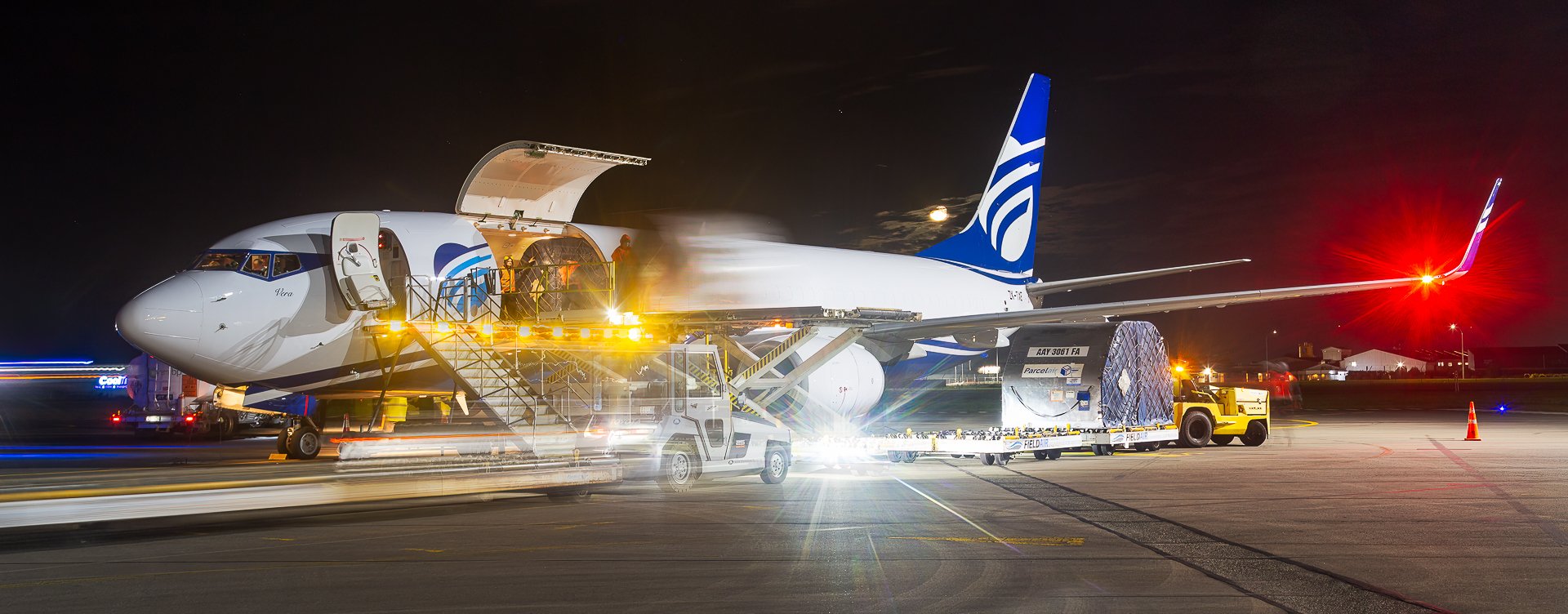
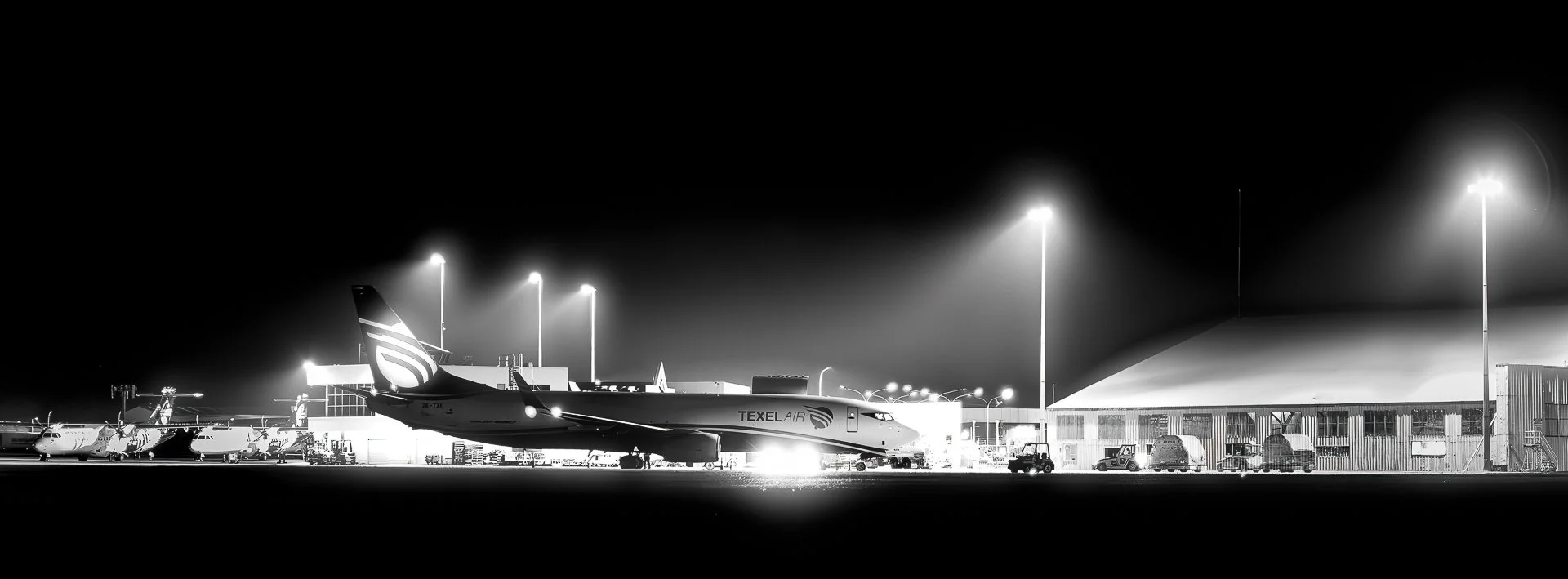
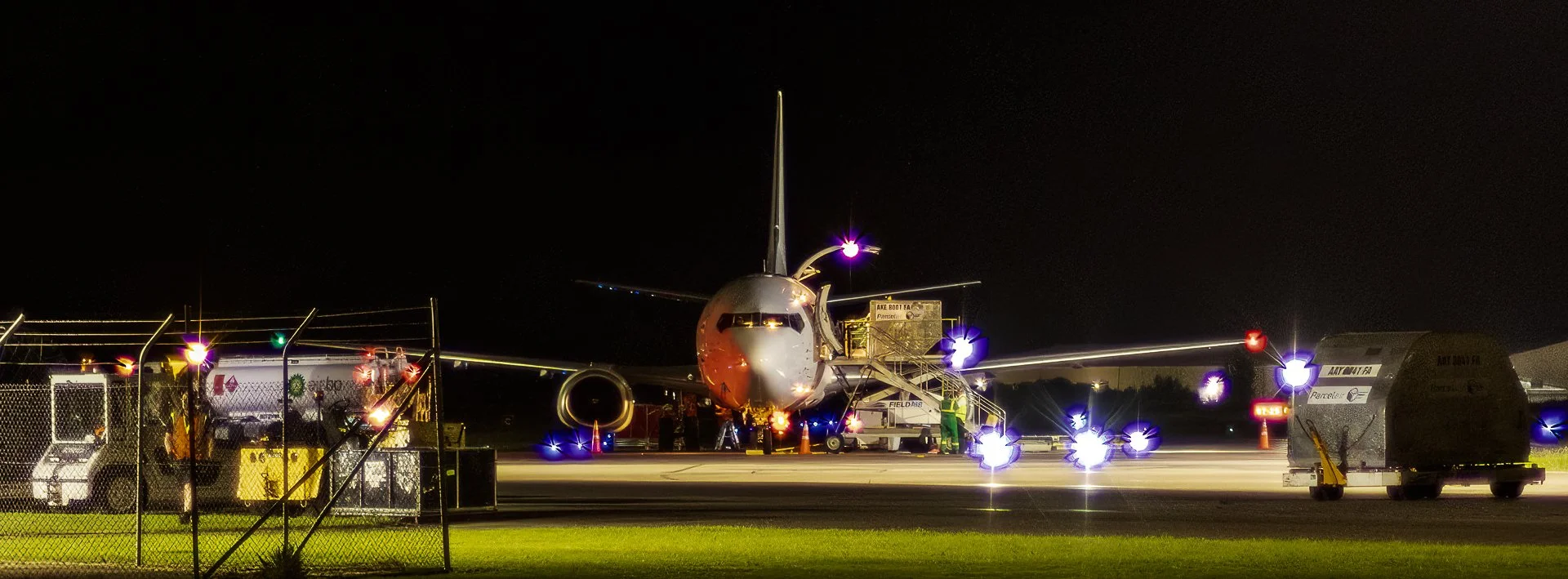
The Boeing 737 has been successfully adapted into several cargo variants, serving as an efficient freighter for express parcel carriers, freight operators, and passenger airlines needing cargo capacity. The primary purpose-built cargo version is the 737-800BCF (Boeing Converted Freighter), created through conversion of retired passenger 737-800s. This process involves removing passenger seats and interior fixtures, reinforcing the cabin floor, installing a large cargo door on the left forward fuselage, and adding a cargo handling system. The 737-800BCF can carry up to 23.9 tons of cargo in a combination of standard cargo containers and pallets, making it ideal for time-sensitive express freight operations. Other converted variants include the 737-300F, 737-400F, and older 737-200C/F models. Boeing and authorized conversion companies have converted hundreds of retired passenger 737s into freighters, giving these aircraft a profitable second career.
“The 737’s fuel efficiency, commonality with passenger variants (reducing training and maintenance costs), and ability to operate from shorter runways make it especially valuable for regional and feeder cargo routes”
The 737 freighter family has become particularly important for express cargo carriers and regional freight operations. Major operators include DHL, FedEx, UPS, Amazon Air (through contractors), and various cargo airlines worldwide who appreciate the aircraft's economics, reliability, and ability to serve smaller airports that cannot accommodate larger freighters. The 737's fuel efficiency, commonality with passenger variants (reducing training and maintenance costs), and ability to operate from shorter runways make it especially valuable for regional and feeder cargo routes. Boeing has also developed the 737-800BCF's successor, converting 737-800s that are reaching retirement from passenger service—a process that's expected to continue for decades given the large number of 737NGs in service. The newest 737 MAX variant isn't currently offered as a factory freighter, though Boeing has announced plans for a 737-MAX-based cargo variant. The 737 freighter's combination of capacity, range (typically 2,000-2,400 nautical miles with full payload), and operating economics has established it as the workhorse of the medium-capacity cargo market, particularly for time-critical express freight and e-commerce logistics operations.