North American T-28 Trojan
Hood Aerodrome, Masterton
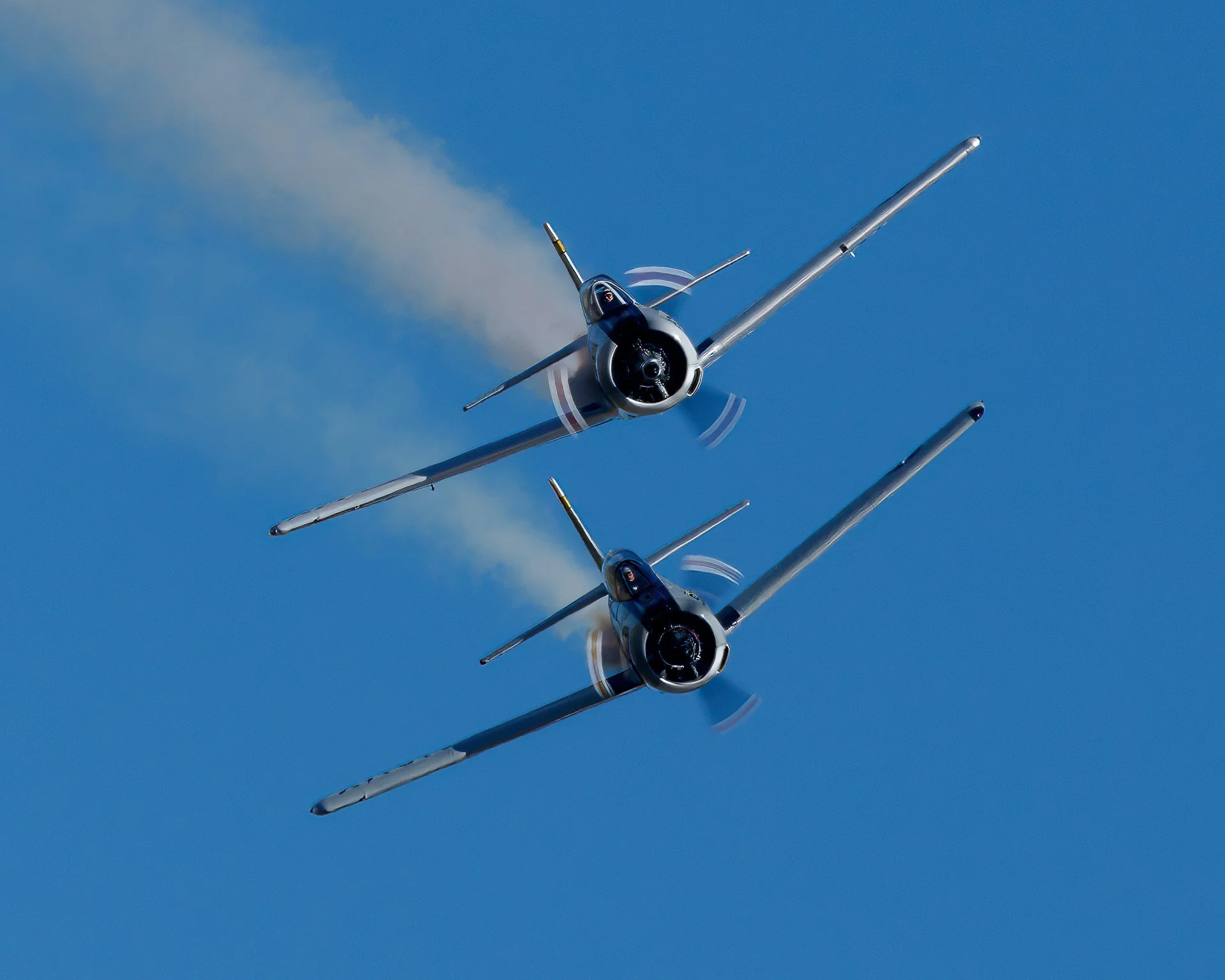
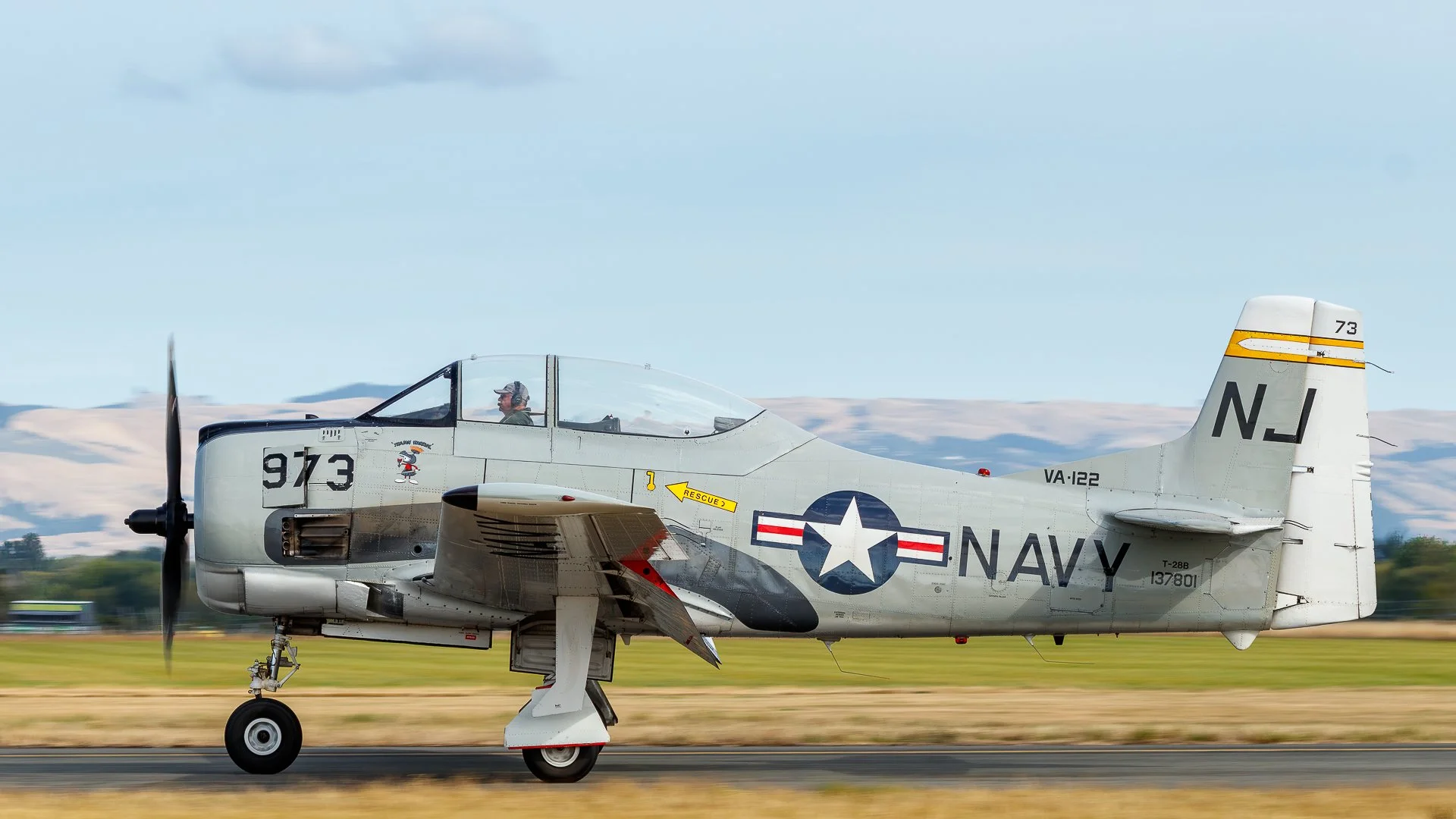
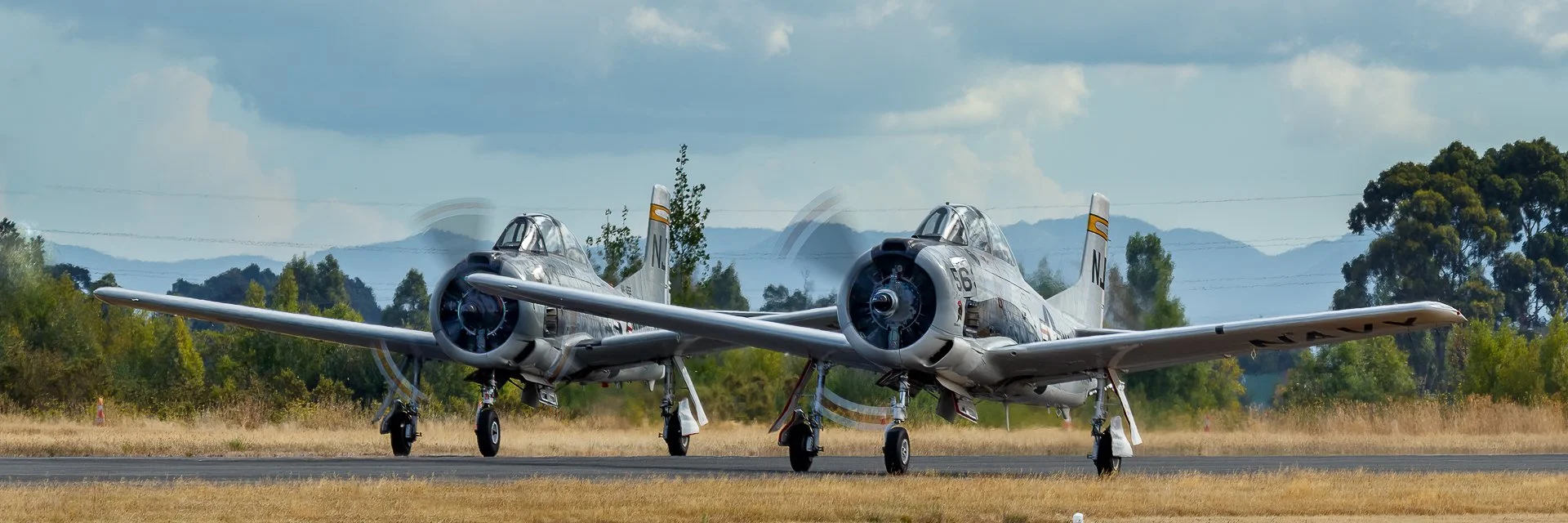
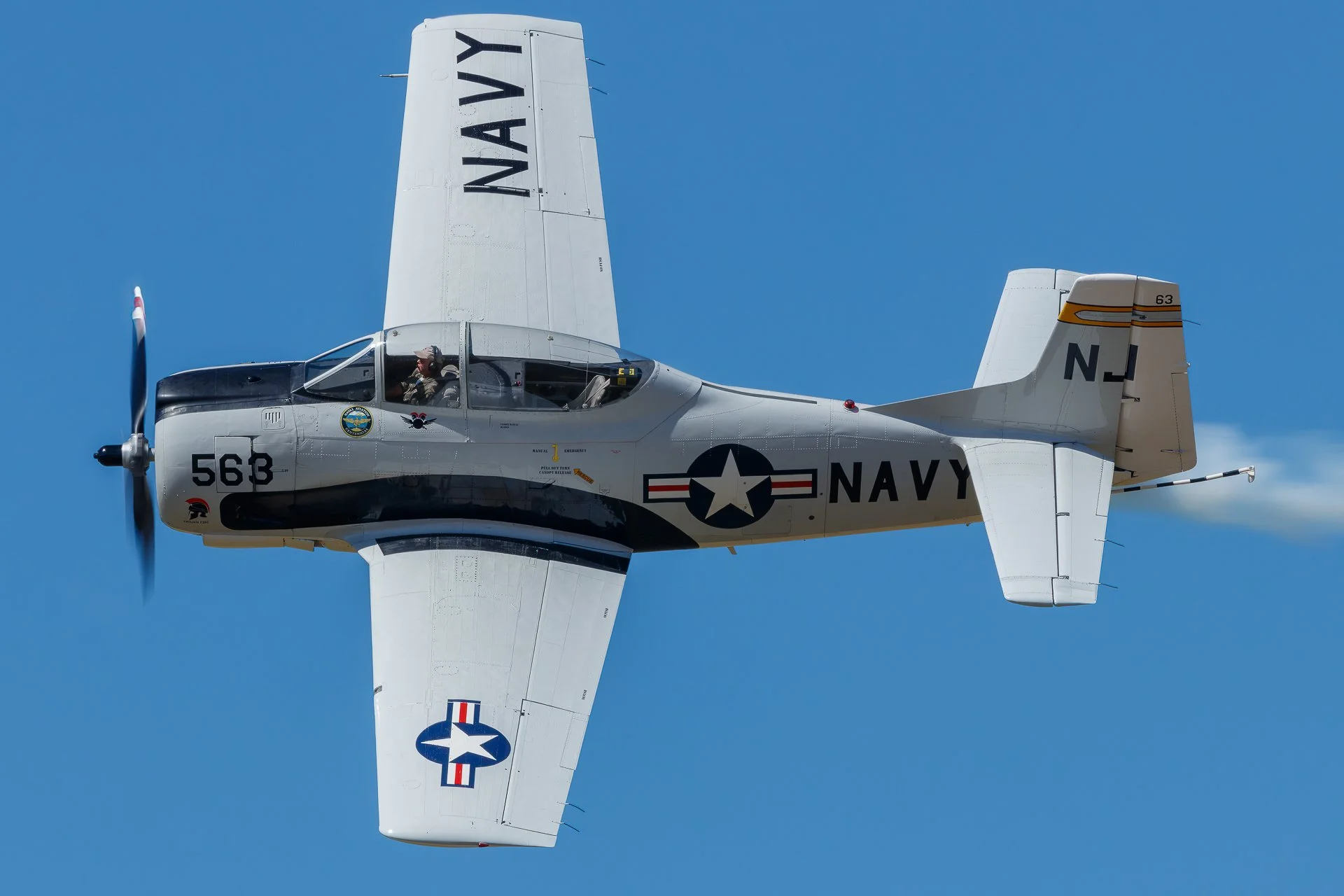
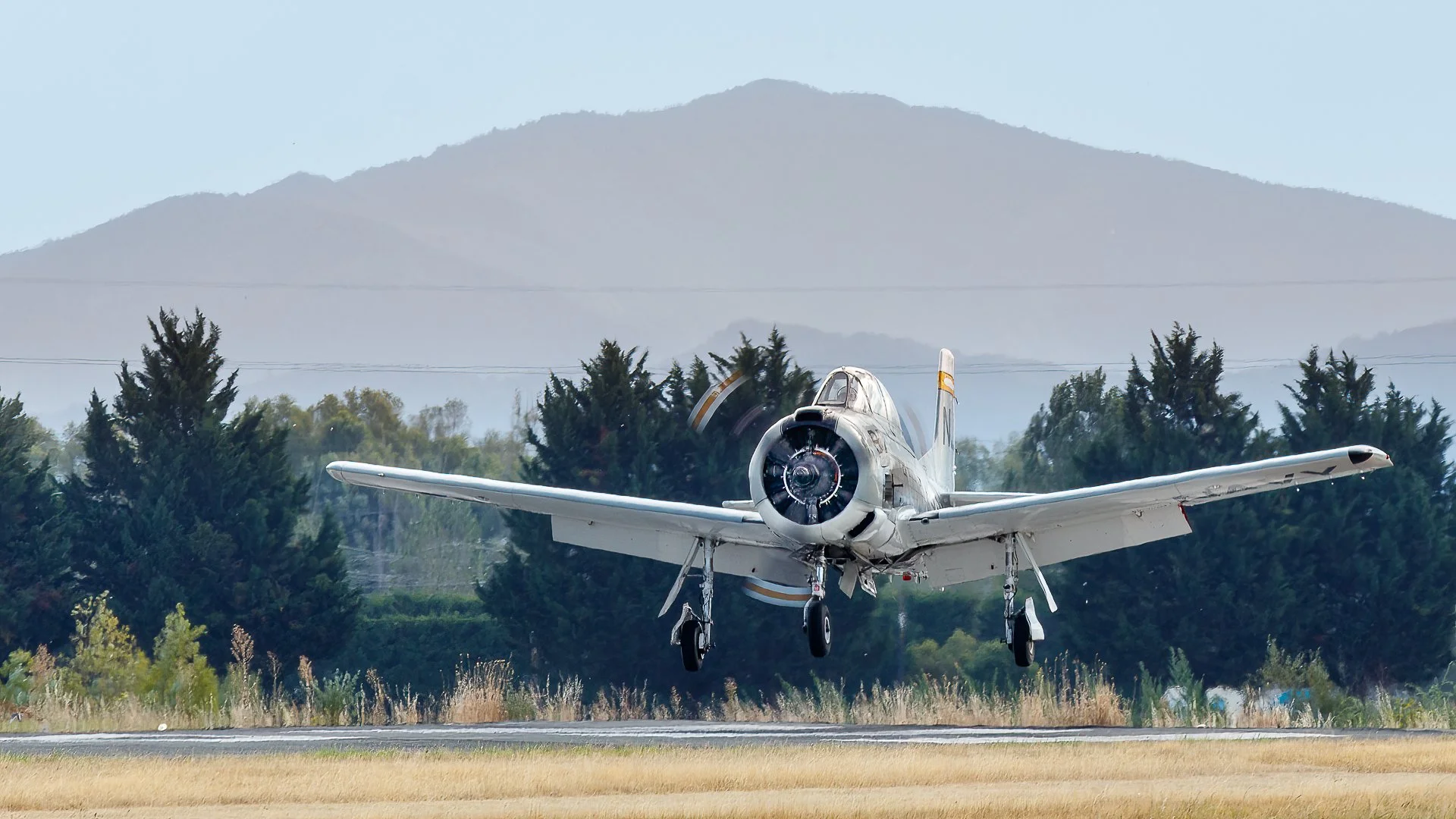
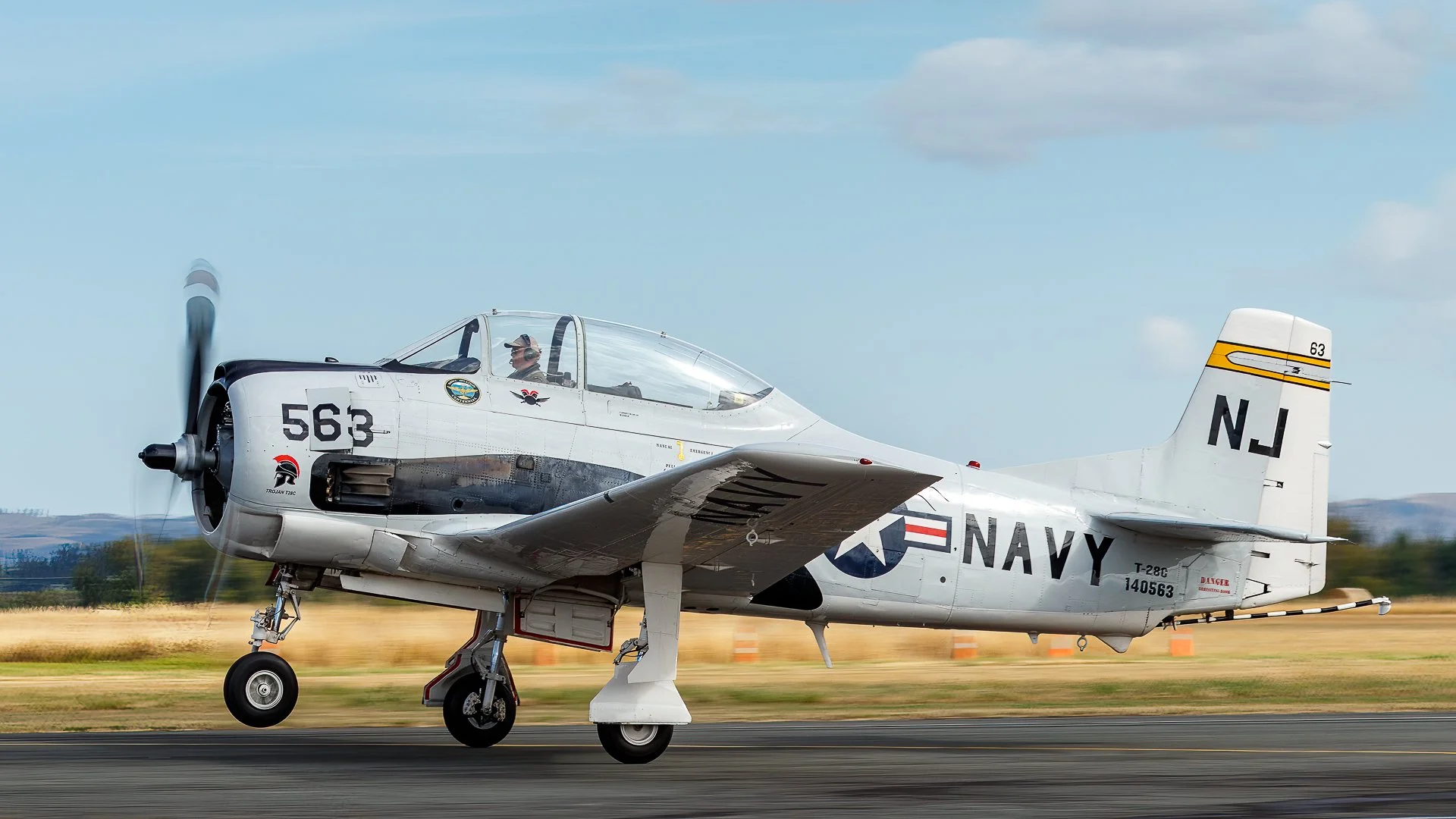
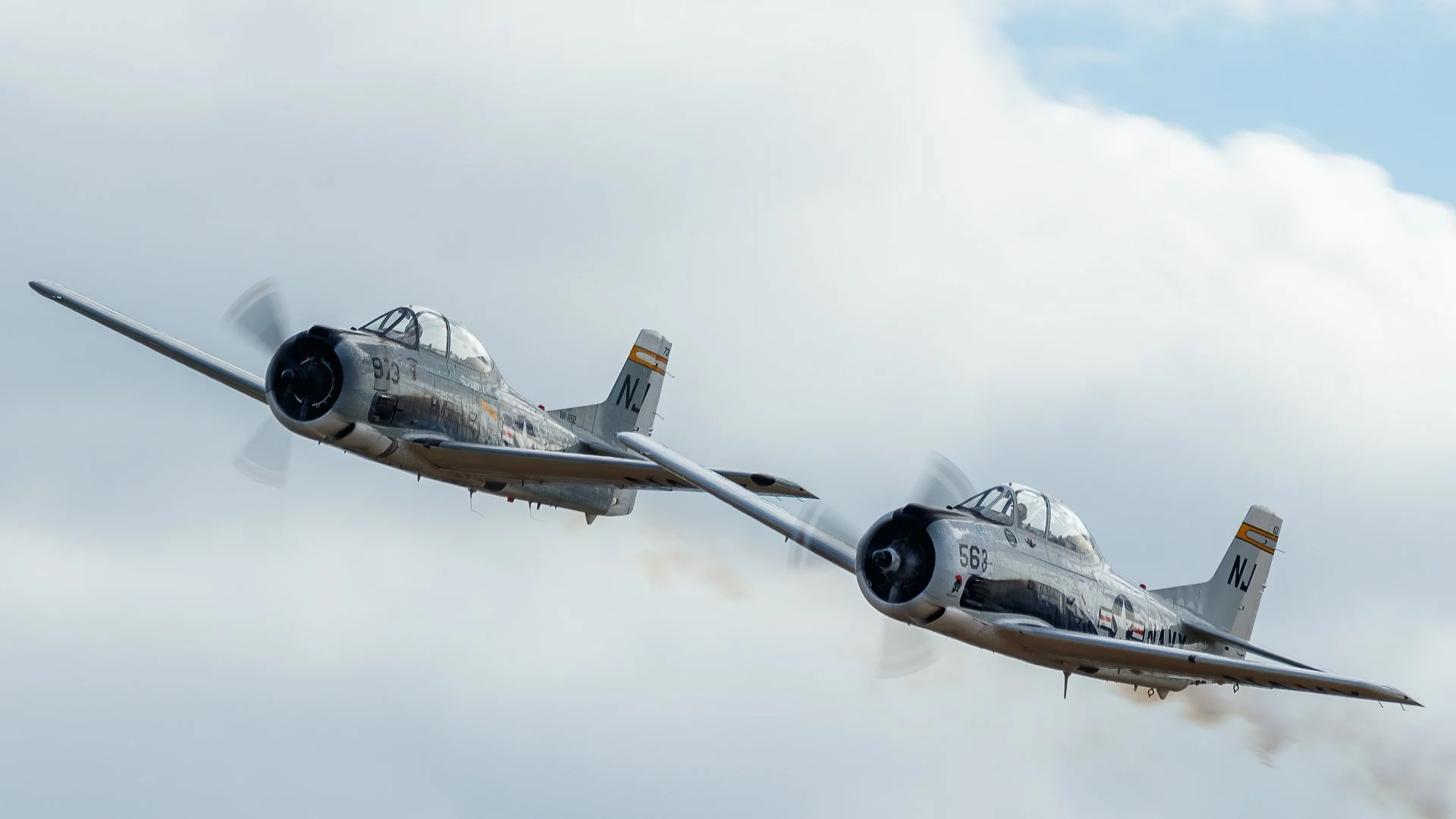
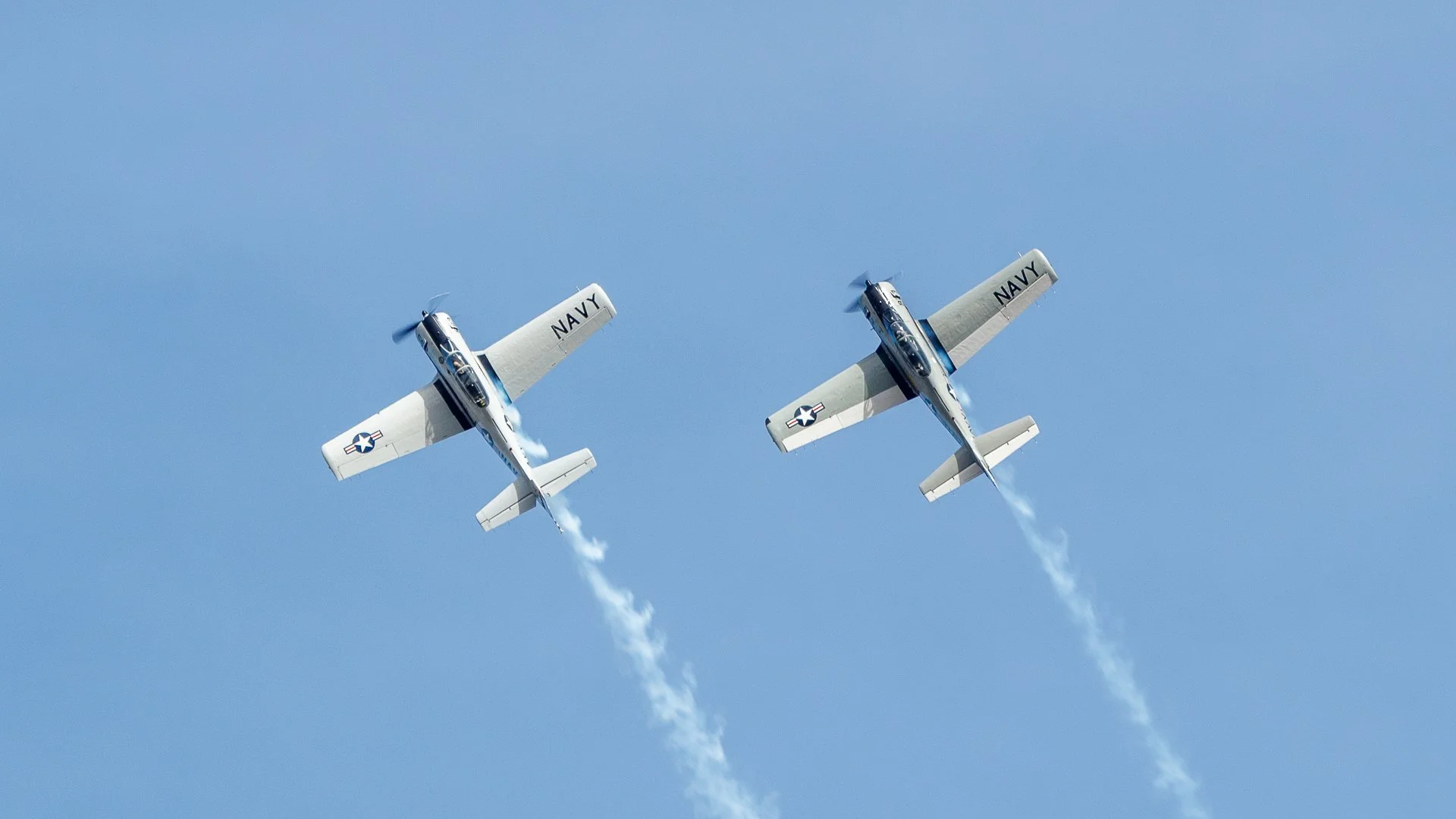
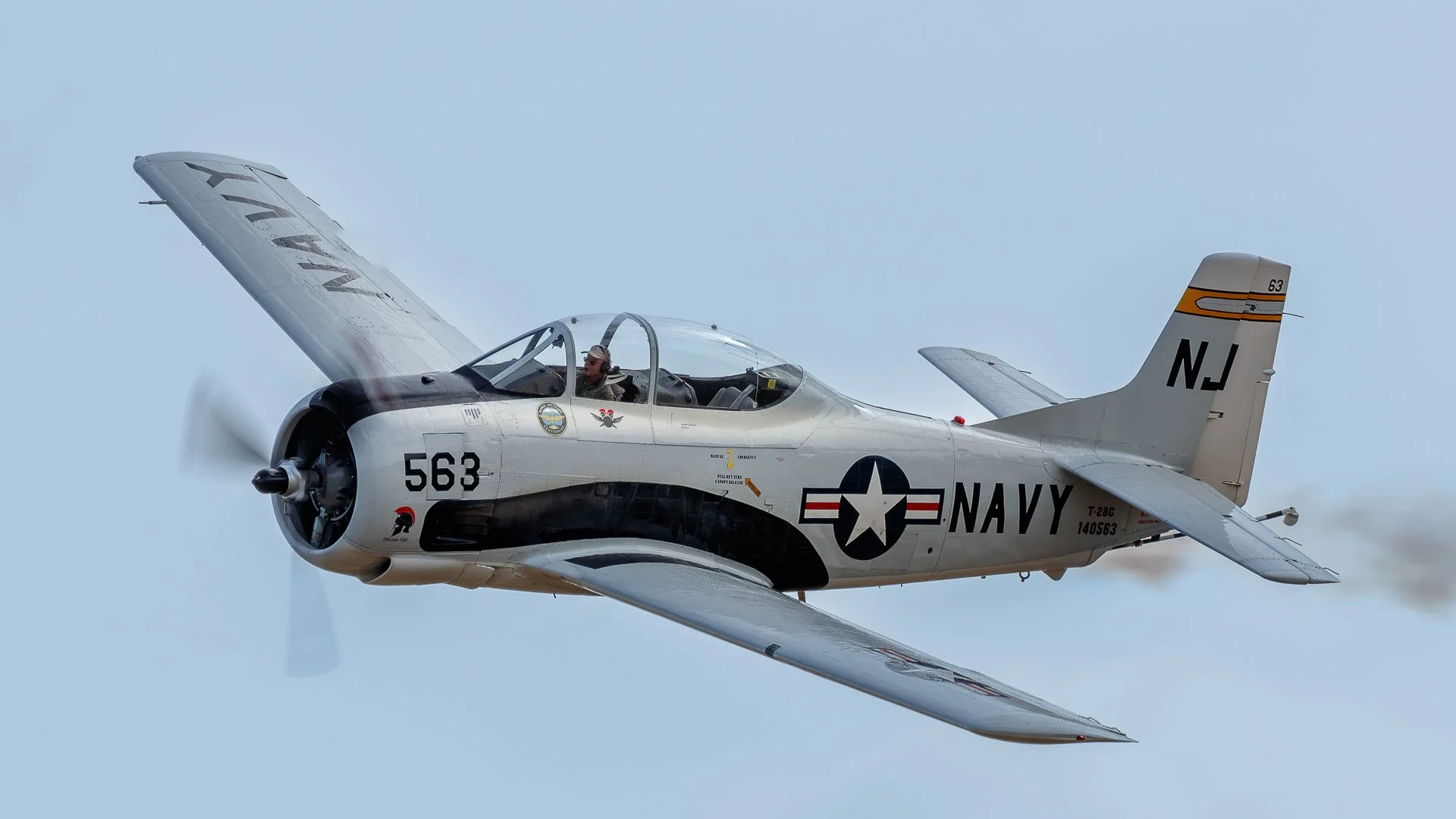
The North American T-28 Trojan is a piston-engine military trainer aircraft that served the United States Air Force and Navy from the late 1940s through the 1980s in various roles. Designed as a successor to the T-6 Texan, the T-28 was a much more powerful and modern aircraft, featuring a large radial engine and tandem seating for instructor and student. The original T-28A variant, introduced in 1950, was powered by an 800-horsepower engine and served as an intermediate trainer for the Air Force. The Navy's T-28B and T-28C variants featured more powerful 1,425-horsepower engines and strengthened airframes, with the T-28C also incorporating an arrester hook for carrier training operations. The Trojan provided excellent handling characteristics and enough performance to prepare pilots for the transition to jet aircraft.
“Designed as a successor to the T-6 Texan, the T-28 was a much more powerful and modern aircraft, featuring a large radial engine and tandem seating for instructor and student. ”
Beyond its primary training role, the T-28 gained a second life as a light attack and counter-insurgency aircraft. The T-28D variant, developed in the early 1960s, was extensively modified for combat operations with strengthened wings, underwing hardpoints for weapons and fuel tanks, and armor protection. These armed Trojans saw significant service during the Vietnam War with U.S. Air Force special operations units and were supplied to South Vietnamese and Laotian air forces for counter-insurgency operations. The T-28's combination of reliability, ease of maintenance, reasonable operating costs, and ability to operate from rough airstrips made it valuable for close air support missions in low-threat environments. After military service, many T-28s found their way into civilian hands where they remain popular warbird aircraft at airshows and with private collectors, prized for their powerful performance and historical significance.