
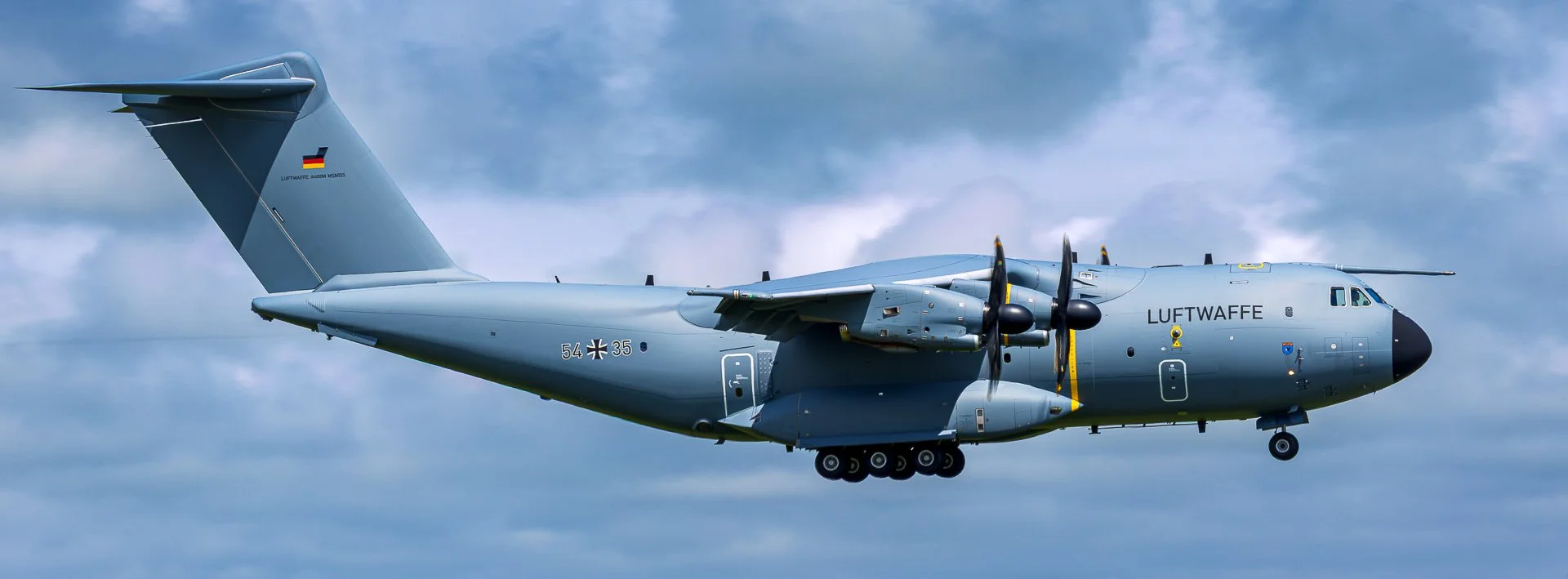
Airbus A400M Atlas
The Airbus A400M Atlas is a European multi-national four-engine turboprop tactical airlifter designed to meet the strategic and tactical transport needs of modern military forces. Developed by Airbus Defence and Space, the A400M was conceived in the 1980s and 1990s to replace aging C-160 Transall and C-130 Hercules fleets with a more capable aircraft that could bridge the gap between tactical airlifters and strategic heavy lifters like the C-17. The aircraft first flew in 2009 and entered service in 2013, powered by four Europrop International TP400-D6 turboprop engines—the most powerful turboprops ever fitted to a Western military aircraft. The A400M features a spacious cargo hold measuring 17.71 meters long that can accommodate vehicles, helicopters, palletized cargo, and up to 116 troops or 66 stretchers for medical evacuation. Its combination of tactical capabilities—including the ability to operate from short, unprepared airstrips—with strategic range of over 4,500 nautical miles makes it uniquely versatile.
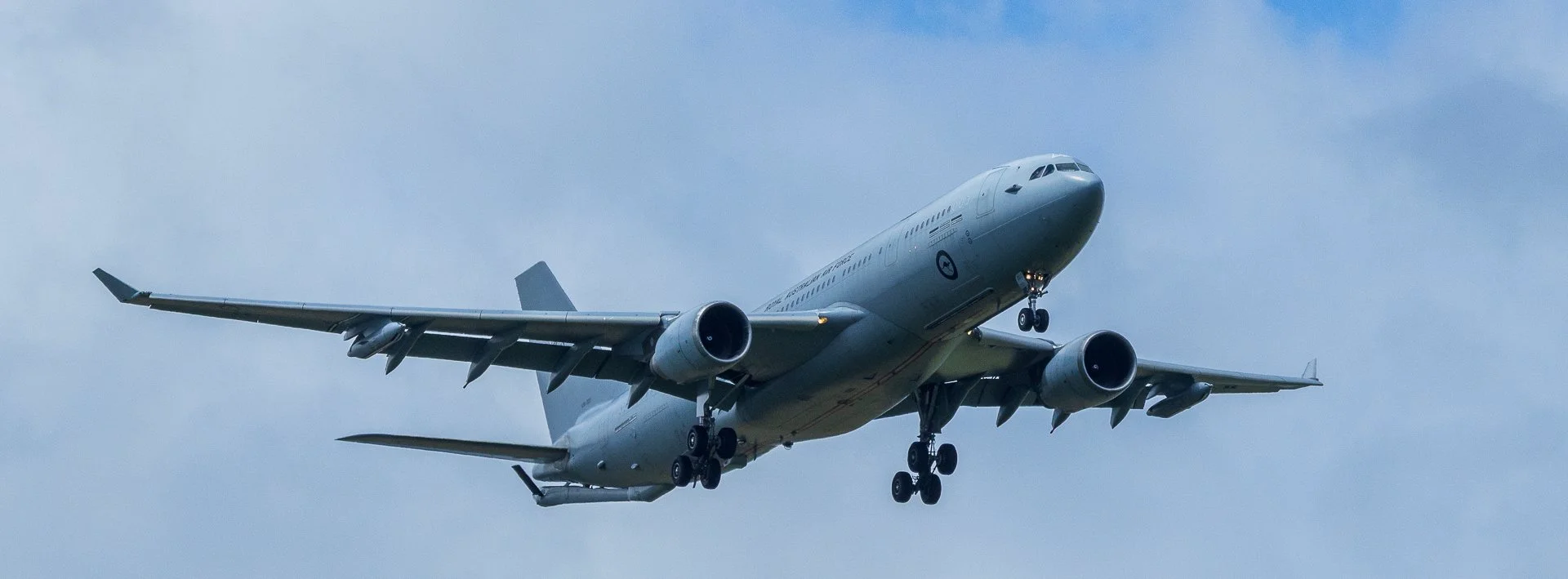
Airbus A330 Multi Role Tanker Transport (MRTT)
The Airbus A330 Multi Role Tanker Transport (MRTT) is a modern aerial refueling and strategic transport aircraft based on the highly successful A330-200 commercial airliner. Developed by Airbus Defence and Space (formerly EADS), the A330 MRTT has become one of the world's most capable and widely adopted tanker aircraft since entering service in 2011. The aircraft features an advanced refueling system that can simultaneously operate both a centerline hose-and-drogue unit mounted under the rear fuselage and two underwing refueling pods, allowing it to refuel three aircraft at once—a unique capability among modern tankers. With a fuel capacity of approximately 111 tons for transfer, the A330 MRTT can support extended operations while also carrying passengers and cargo in its spacious main deck, making it a true multi-role platform that can conduct tanker, transport, and medical evacuation missions either separately or simultaneously.
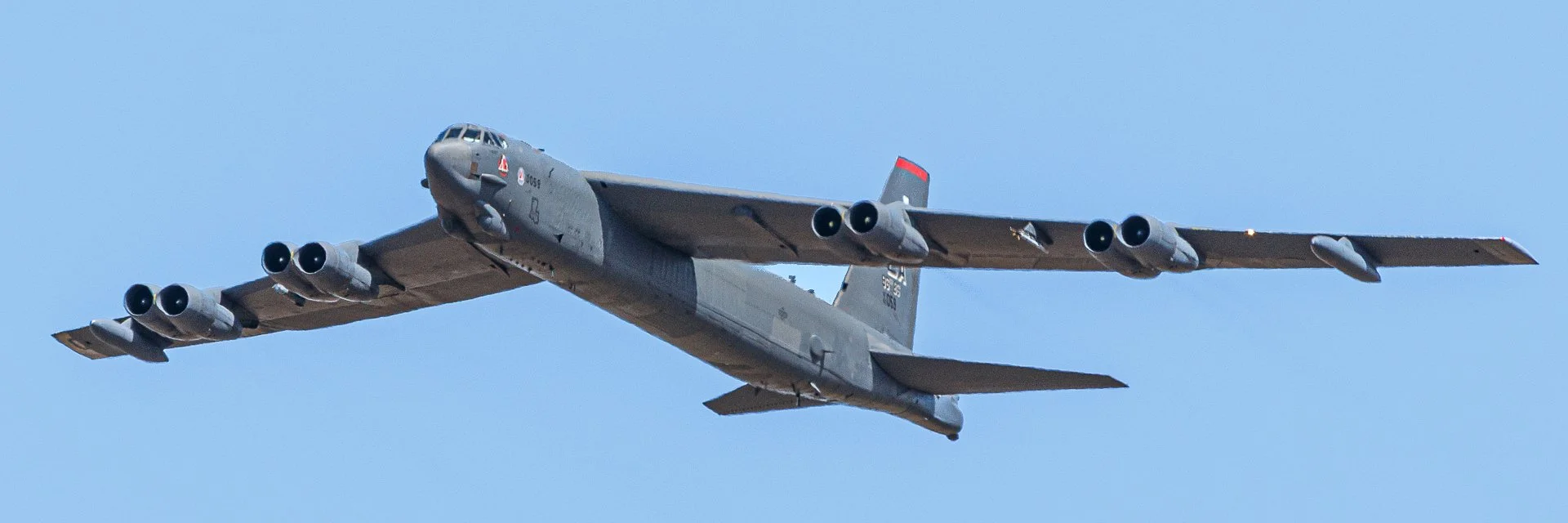
Boeing B-52 Stratofortress
The Boeing B-52 Stratofortress is an American long-range, subsonic strategic bomber that has served as a cornerstone of U.S. nuclear and conventional strike capabilities since 1955. Designed during the early Cold War to carry nuclear weapons deep into Soviet territory, the B-52 features eight turbofan engines mounted on pylons beneath a massive 185-foot wingspan, giving it intercontinental range with aerial refueling. The aircraft's distinctive design includes a swept wing, bicycle-style landing gear with outrigger wheels, and the capacity to carry up to 70,000 pounds of ordnance in its bomb bay and on external hardpoints. Originally built in several variants from the B-52A through B-52H, only the H model remains in service today, powered by Pratt & Whitney TF33 turbofan engines. The B-52 was designed for high-altitude penetration missions but evolved to include low-level terrain-following capabilities and eventually standoff weapons delivery as air defense systems became more sophisticated.
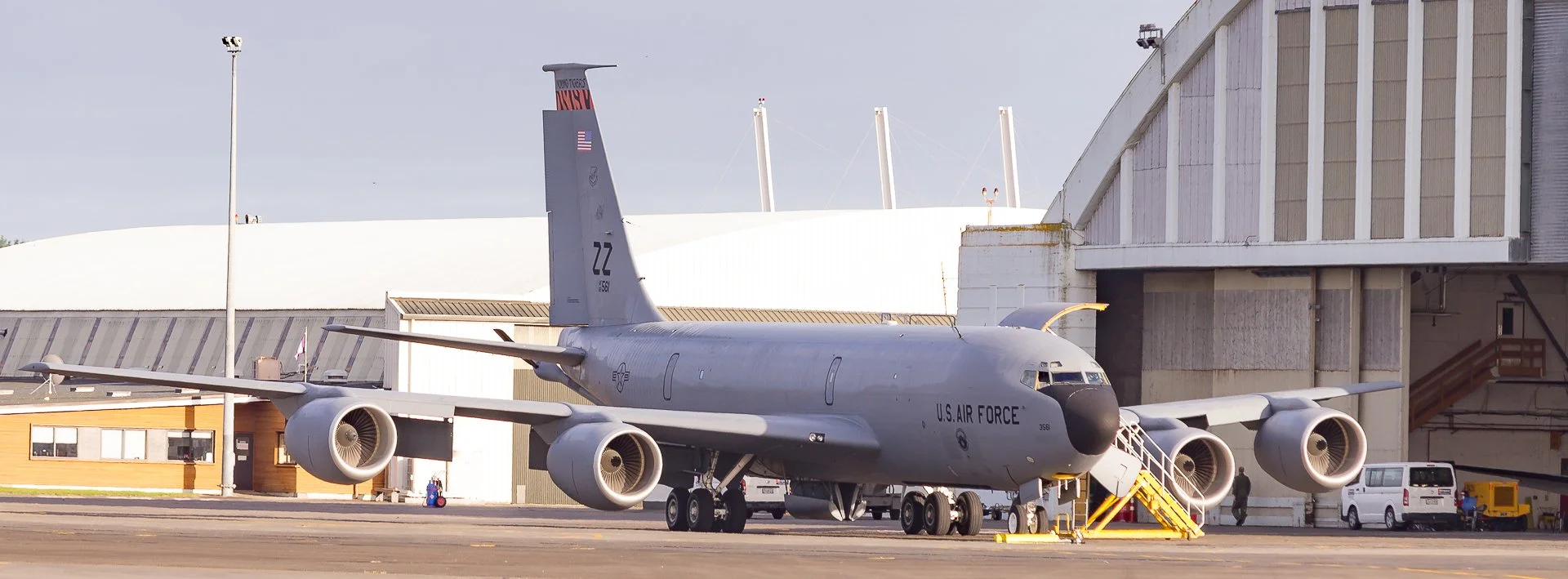
Boeing KC-135 Stratotanker
The Boeing KC-135 Stratotanker is a military aerial refueling aircraft that has served as the backbone of the United States Air Force's tanker fleet since 1957, making it one of the longest-serving aircraft in U.S. military history. Developed alongside the Boeing 707 commercial airliner from the Model 367-80 prototype (the "Dash 80"), the KC-135 was designed during the Cold War to extend the range and operational flexibility of Strategic Air Command's bomber fleet, particularly the B-52 Stratofortress. The aircraft features a distinctive flying boom refueling system operated by a boom operator stationed in the tail section, allowing for high-speed fuel transfer to receiver aircraft. The KC-135 typically carries about 200,000 pounds of fuel for transfer, along with cargo and passenger capability, and can itself be refueled in flight, providing truly global reach for U.S. air operations.
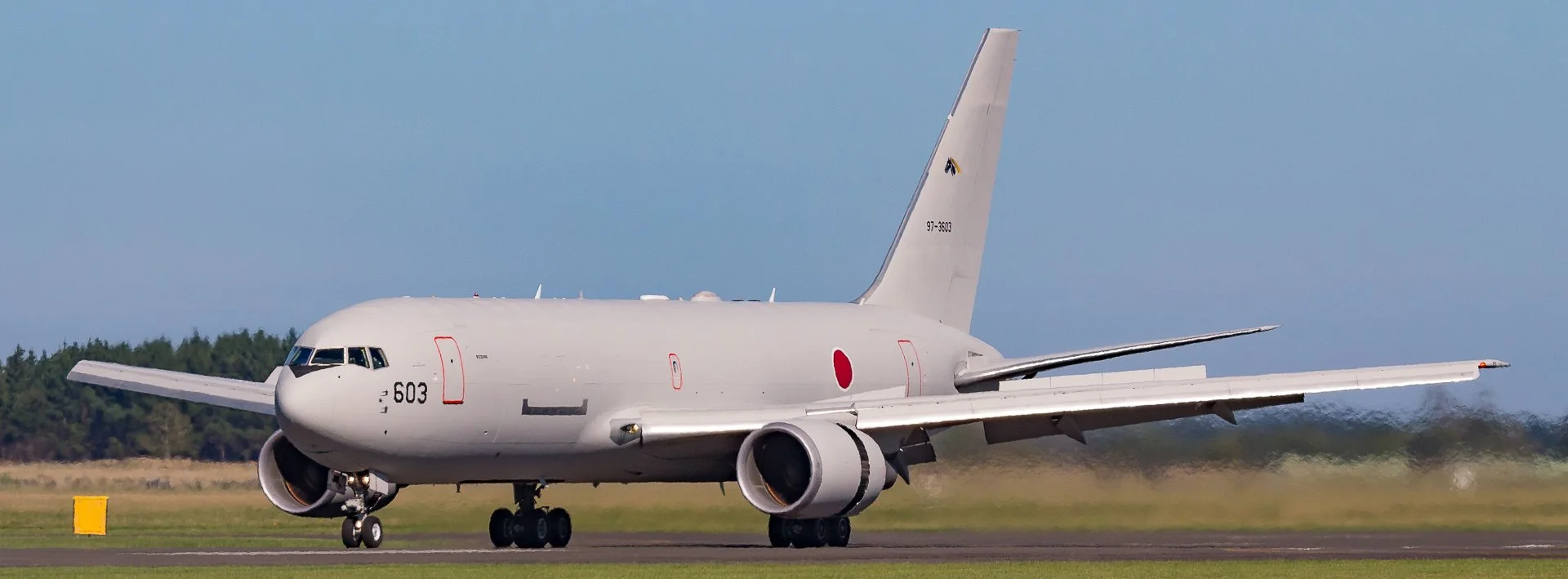
Boeing KC-767
The Boeing KC-767 is an aerial refueling tanker and strategic transport aircraft based on the Boeing 767-200ER commercial airliner platform. Developed as a competitor to the larger KC-135 Stratotanker replacement and as an alternative to the European A330 MRTT, the KC-767 combines the proven reliability of the 767 airframe with advanced refueling systems capable of supporting both boom and probe-and-drogue refueling methods. The aircraft can carry approximately 91 tons of fuel for transfer while also maintaining passenger or cargo transport capability, making it a true multi-role tanker transport. Italy and Japan are the primary operators of the KC-767, with Italy's Air Force operating four aircraft for NATO and national missions, while Japan's Air Self-Defense Force operates four KC-767J aircraft to support its fighter and maritime patrol fleet.
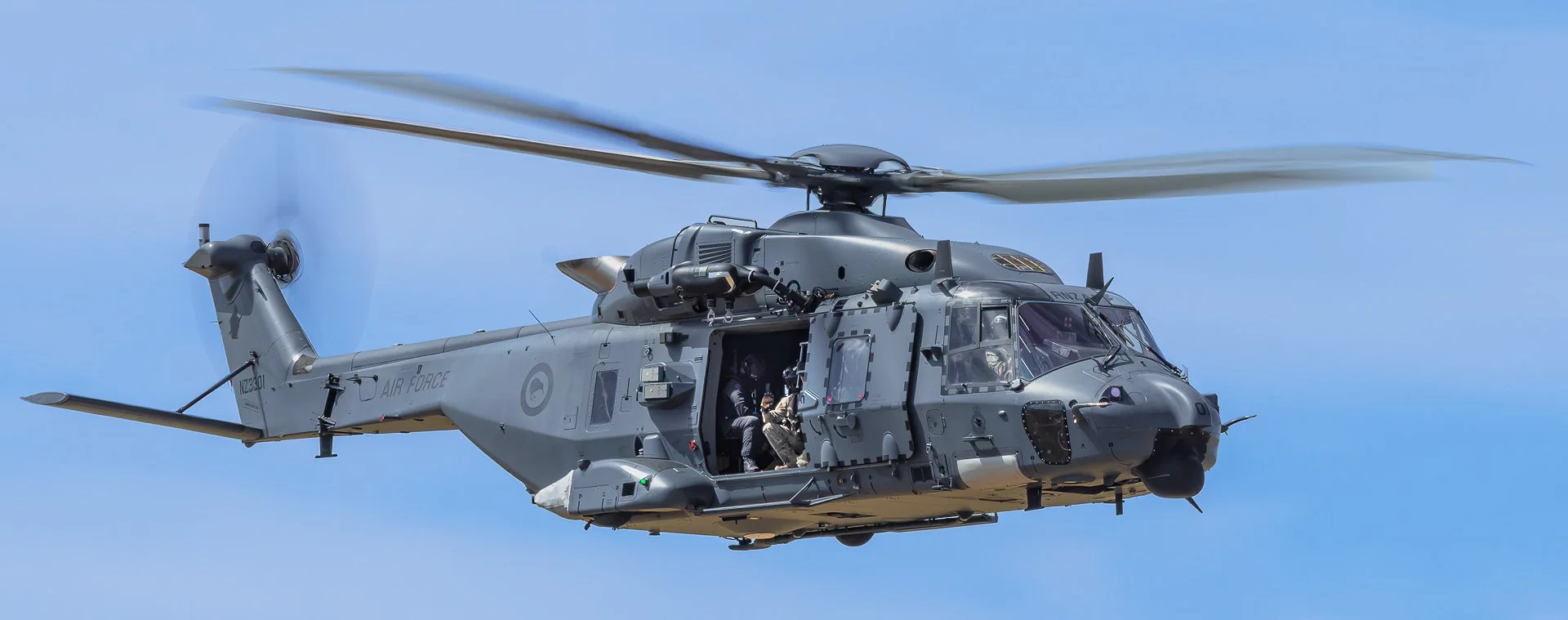
NH Industries NH90
The NHIndustries NH90 serves as a medium utility helicopter for the Royal New Zealand Air Force, operated by No. 3 Squadron based at RNZAF Base Ohakea. New Zealand acquired eight NH90s (later increased to nine) in the mid-2000s to replace the aging UH-1H Iroquois fleet, with deliveries beginning in 2011. The RNZAF operates the Tactical Transport Helicopter (TTH) variant configured for troop transport, cargo lift, search and rescue, and disaster relief operations. These helicopters feature a spacious cabin that can accommodate up to 20 troops or various cargo configurations, fly-by-wire flight controls, advanced glass cockpit avionics, and a four-bladed composite main rotor system. The NH90 represented a significant technological leap for the RNZAF, introducing modern systems including night vision goggle compatibility, advanced navigation equipment, and enhanced defensive systems suitable for both domestic and deployed operations.
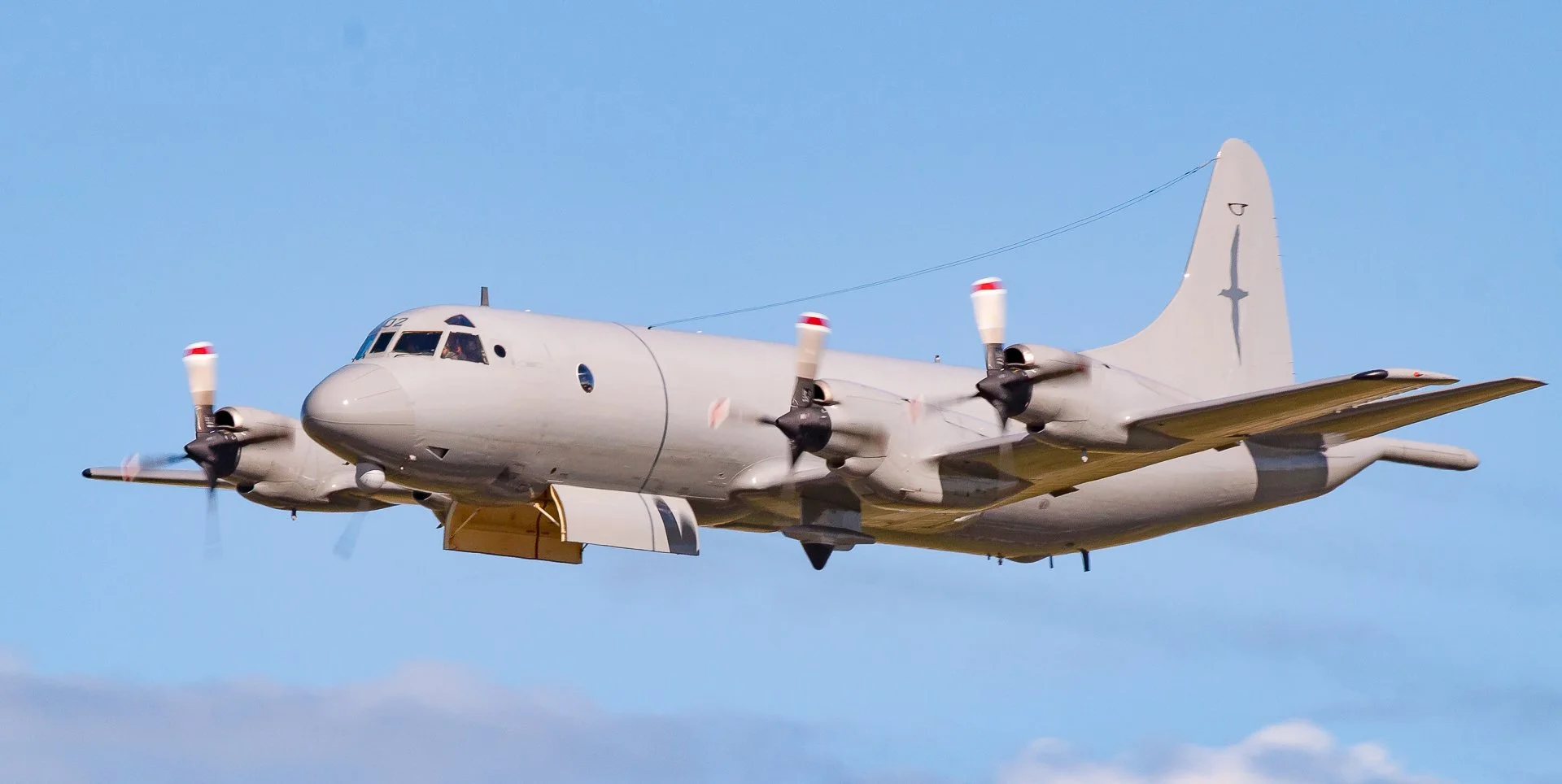
Lockheed P-3K/K2 Orion
The Lockheed P-3K/K2 Orion served as the Royal New Zealand Air Force's primary maritime patrol aircraft for over five decades, from 1966 until its retirement in 2023. The RNZAF originally acquired five P-3B Orions in the mid-1960s, which were later upgraded to P-3K standard in the 1980s with improved avionics and systems. A subsequent major upgrade program in the 2010s saw the remaining fleet of six aircraft (having acquired additional airframes over the years) converted to P-3K2 standard with glass cockpit displays, new mission systems, and improved sensors. Operated by No. 5 Squadron based at RNZAF Base Ohakea, the Orion fleet was the backbone of New Zealand's maritime surveillance capability, tasked with patrolling vast areas of the South Pacific and Southern Ocean, including New Zealand's enormous exclusive economic zone—one of the world's fourth-largest at over 4 million square kilometers.
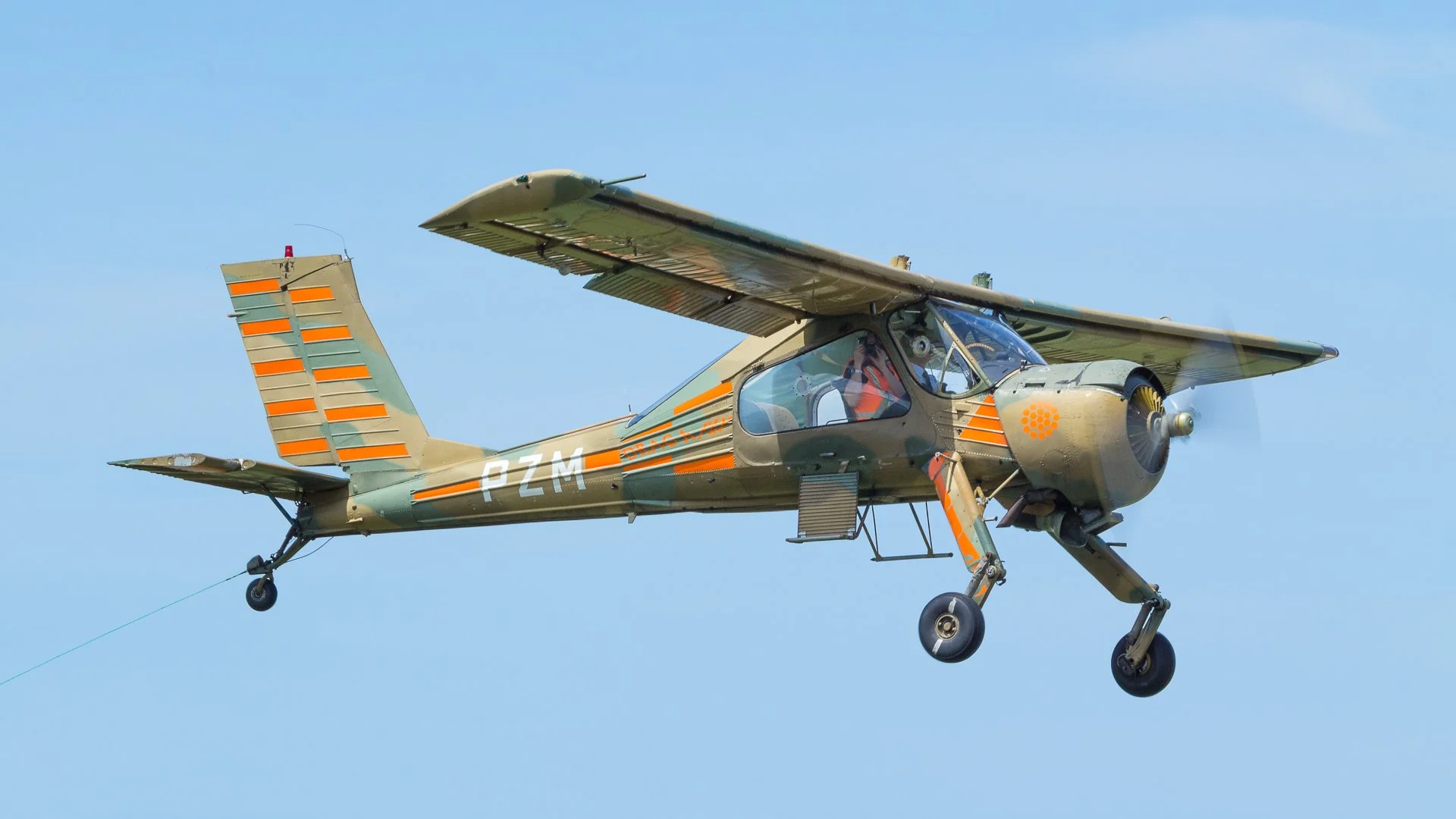
PZL-104 Wilga
The PZL-104 Wilga is a Polish-designed utility aircraft that has gained recognition worldwide for its exceptional short takeoff and landing (STOL) capabilities and rugged construction. First flown in 1962 and manufactured by PZL Warsaw-Okęcie, the Wilga (which means "oriole" in Polish) was designed as a versatile high-wing, conventionally-geared aircraft capable of operating from unprepared surfaces and short airstrips. The aircraft typically seats four people and has been produced in numerous variants over its long production history, powered by various engines ranging from Continental flat-six piston engines to radial engines and, in later versions, turboprop powerplants. Its distinctive braced high-wing design, robust landing gear, and generous control surfaces give it remarkable slow-flight characteristics and the ability to operate from grass strips, beaches, and rough terrain where most conventional aircraft cannot venture.
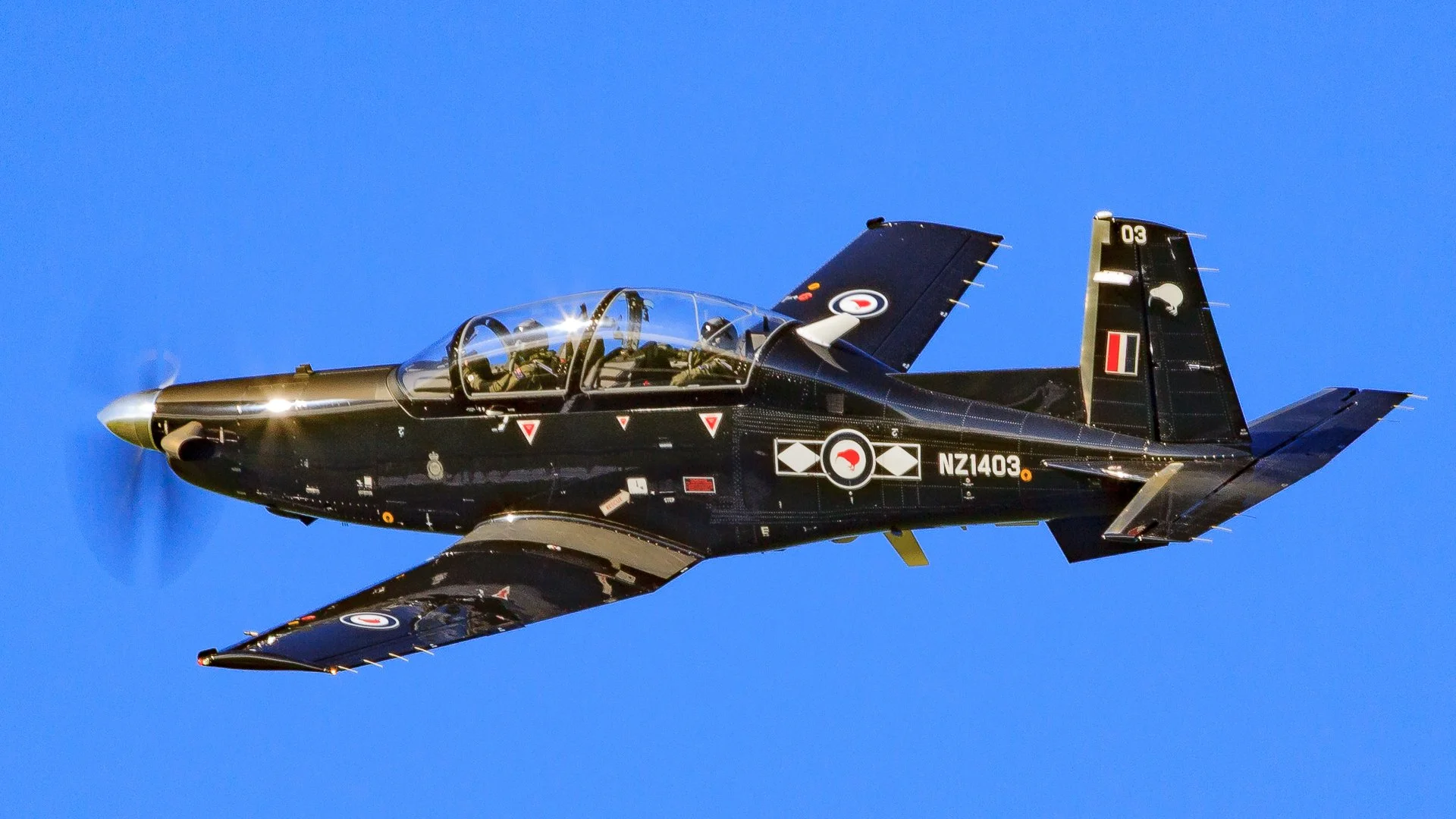
Beechcraft T-6C Texan II
The Beechcraft T-6C Texan II serves as the advanced flight training aircraft for the Royal New Zealand Air Force (RNZAF), operated by No. 14 Squadron based at RNZAF Base Ohakea. New Zealand acquired eleven T-6C aircraft that were delivered between 2014 and 2015, replacing the aging CT-4E Airtrainer in the advanced training role. The T-6C variant features enhanced capabilities specifically tailored for New Zealand's requirements, including an uprated Pratt & Whitney PT6A-68D turboprop engine, improved avionics, and provisions for weapons training. The aircraft provides RNZAF student pilots with their first experience in a high-performance military trainer, featuring tandem seating, glass cockpit displays with multi-function displays, head-up display (HUD), and hands-on-throttle-and-stick (HOTAS) controls that mirror systems found in modern fast jets and maritime patrol aircraft.
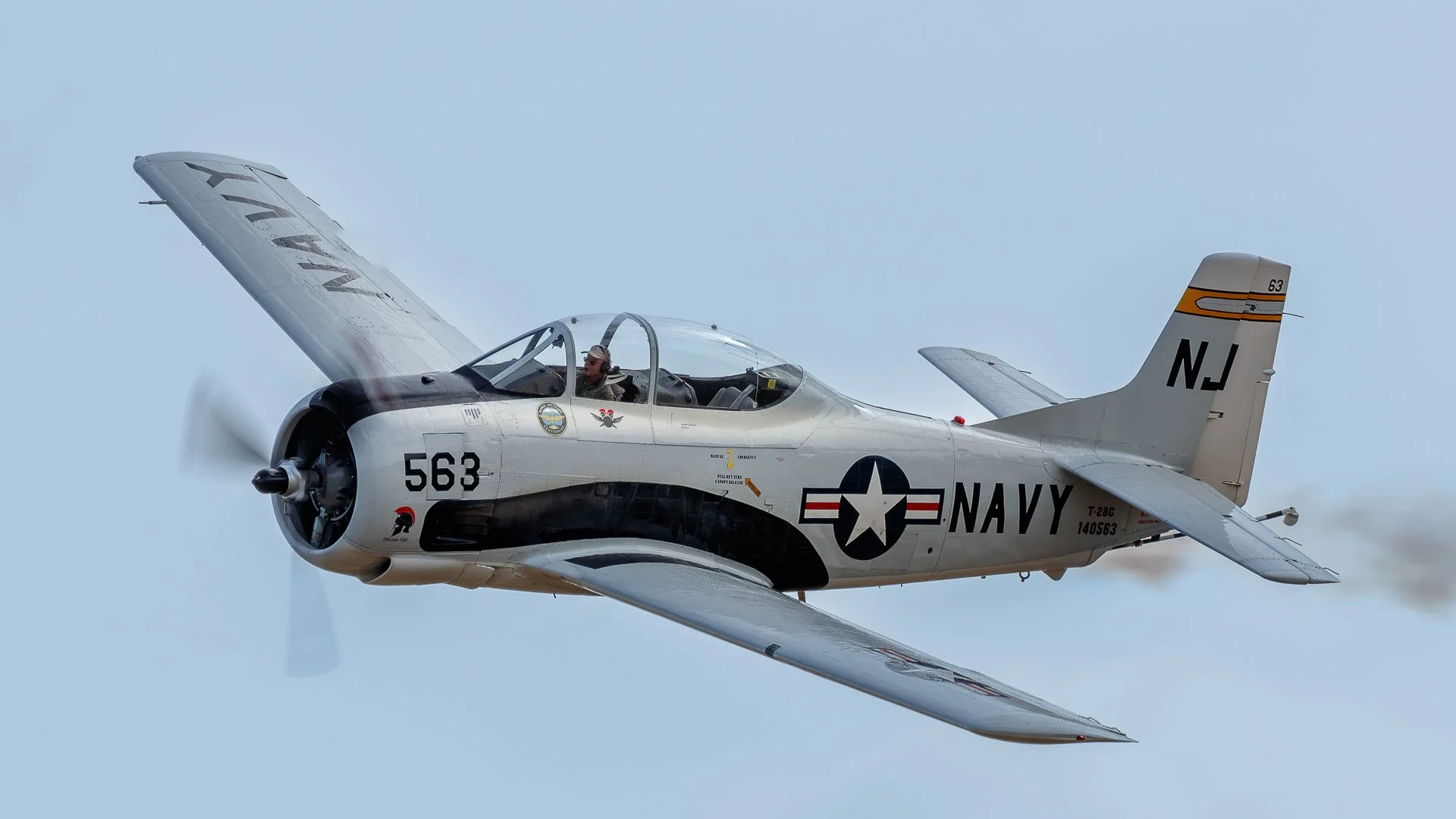
North American T-28 Trojan
The North American T-28 Trojan is a piston-engine military trainer aircraft that served the United States Air Force and Navy from the late 1940s through the 1980s in various roles. Designed as a successor to the T-6 Texan, the T-28 was a much more powerful and modern aircraft, featuring a large radial engine and tandem seating for instructor and student. The original T-28A variant, introduced in 1950, was powered by an 800-horsepower engine and served as an intermediate trainer for the Air Force. The Navy's T-28B and T-28C variants featured more powerful 1,425-horsepower engines and strengthened airframes, with the T-28C also incorporating an arrester hook for carrier training operations. The Trojan provided excellent handling characteristics and enough performance to prepare pilots for the transition to jet aircraft.
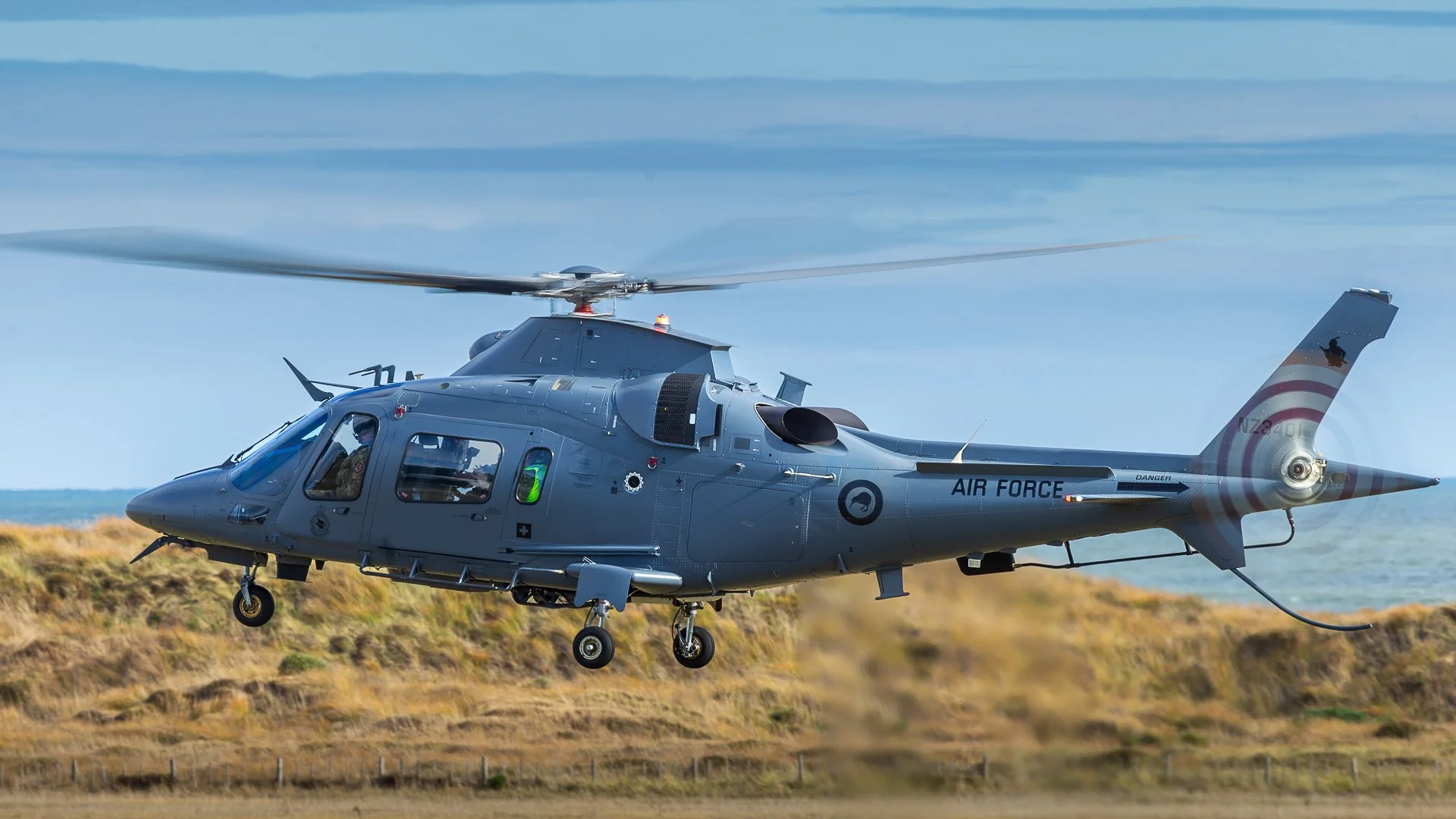
A109 Light Utility Helicopter
The Agusta A109 (now known as the Leonardo AW109 following corporate restructuring) is a lightweight, twin-engine, eight-seat multi-purpose helicopter that has achieved significant success in both civilian and military markets worldwide since its introduction in the 1970s. Designed and manufactured by the Italian aerospace company originally known as Agusta, the A109 is renowned for its sleek design, high performance, and versatility. The helicopter features a fully articulated four-bladed main rotor and can reach speeds of approximately 177 mph (285 km/h), making it one of the faster helicopters in its class. Its twin-engine configuration provides enhanced safety and redundancy, which has made it popular for operations over water, mountains, and urban areas.
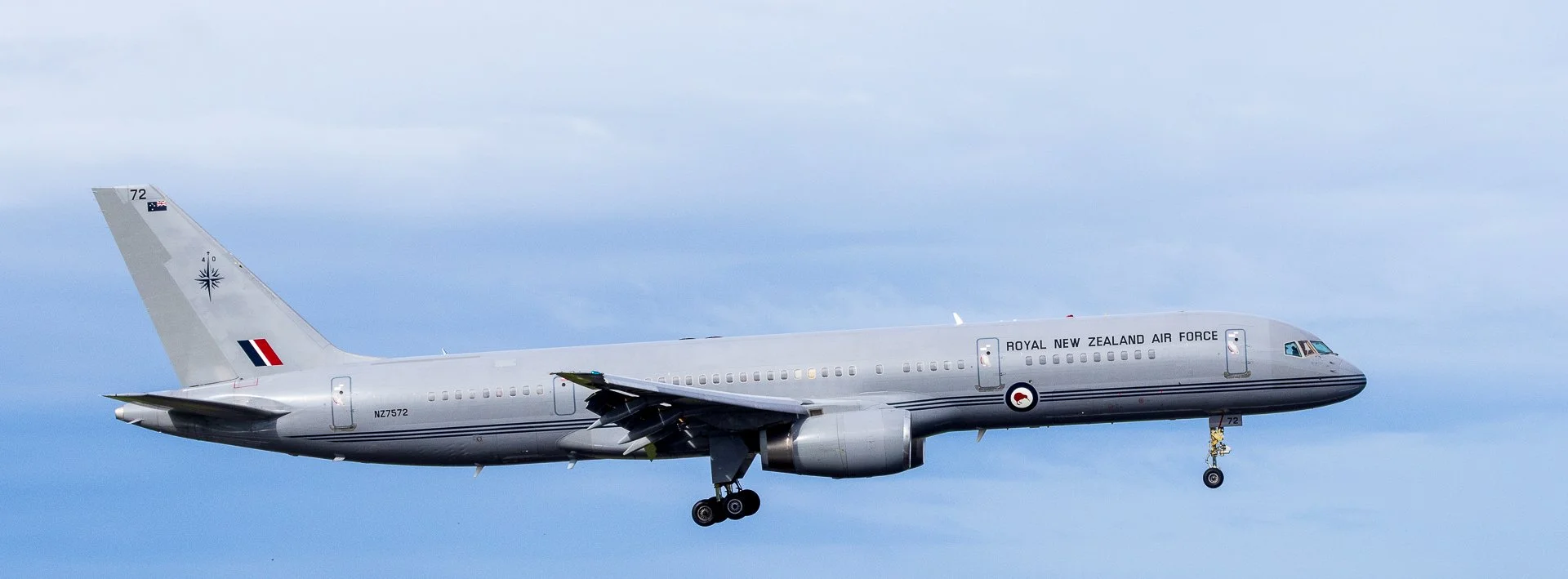
Boeing 757
The Royal New Zealand Air Force (RNZAF) operates two Boeing 757-2K2 aircraft that serve as the country's primary strategic airlift and VIP transport platforms. These aircraft, which entered service in 2003, replaced aging Boeing 727s and significantly enhanced New Zealand's ability to transport personnel, equipment, and government officials across the Pacific region and beyond. The 757s are operated by No. 40 Squadron based at RNZAF Base Ohakea and are registered as NZ7571 and NZ7572. These aircraft are notable for being among the few military-operated 757s in the world and represent a substantial investment in New Zealand's defense and diplomatic capabilities.
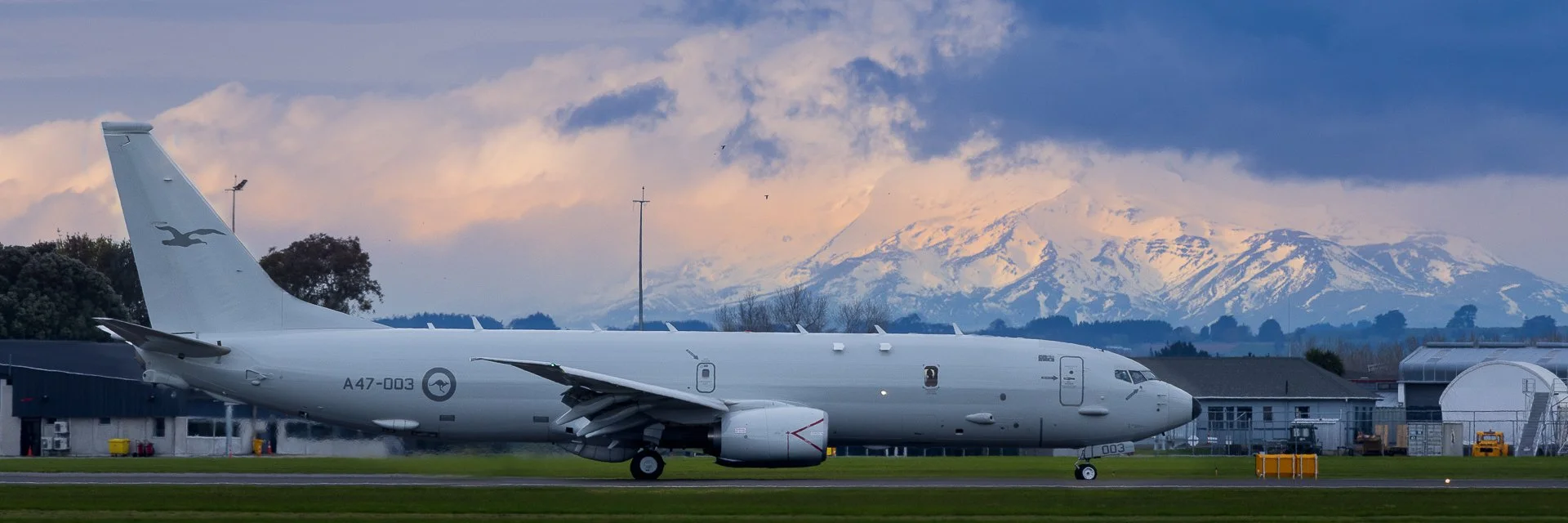
Boeing P8 Poseidon
The Boeing P-8 Poseidon is a military maritime patrol and reconnaissance aircraft developed for the United States Navy and several international air forces. Based on the Boeing 737-800ERX airframe, the P-8 represents a significant technological leap from its predecessor, the P-3 Orion, which served for decades. The Poseidon is designed primarily for anti-submarine warfare (ASW), anti-surface warfare (ASUW), and intelligence, surveillance, and reconnaissance (ISR) missions. It entered service with the U.S. Navy in 2013 and has since been adopted by countries including India, Australia, the United Kingdom, Norway, South Korea, New Zealand, and Germany.

Boeing 737-7DF BBJ
The Boeing 737-7DF BBJ (Boeing Business Jet) is a specialized variant of the Boeing 737-700 commercial airliner, specifically designed and modified for private and corporate use. It combines the reliability and performance of the popular 737 Next Generation platform with luxurious amenities and extended range capabilities. The BBJ designation indicates that this aircraft is part of Boeing's dedicated business jet line, offering significantly more space and comfort than typical corporate aircraft.
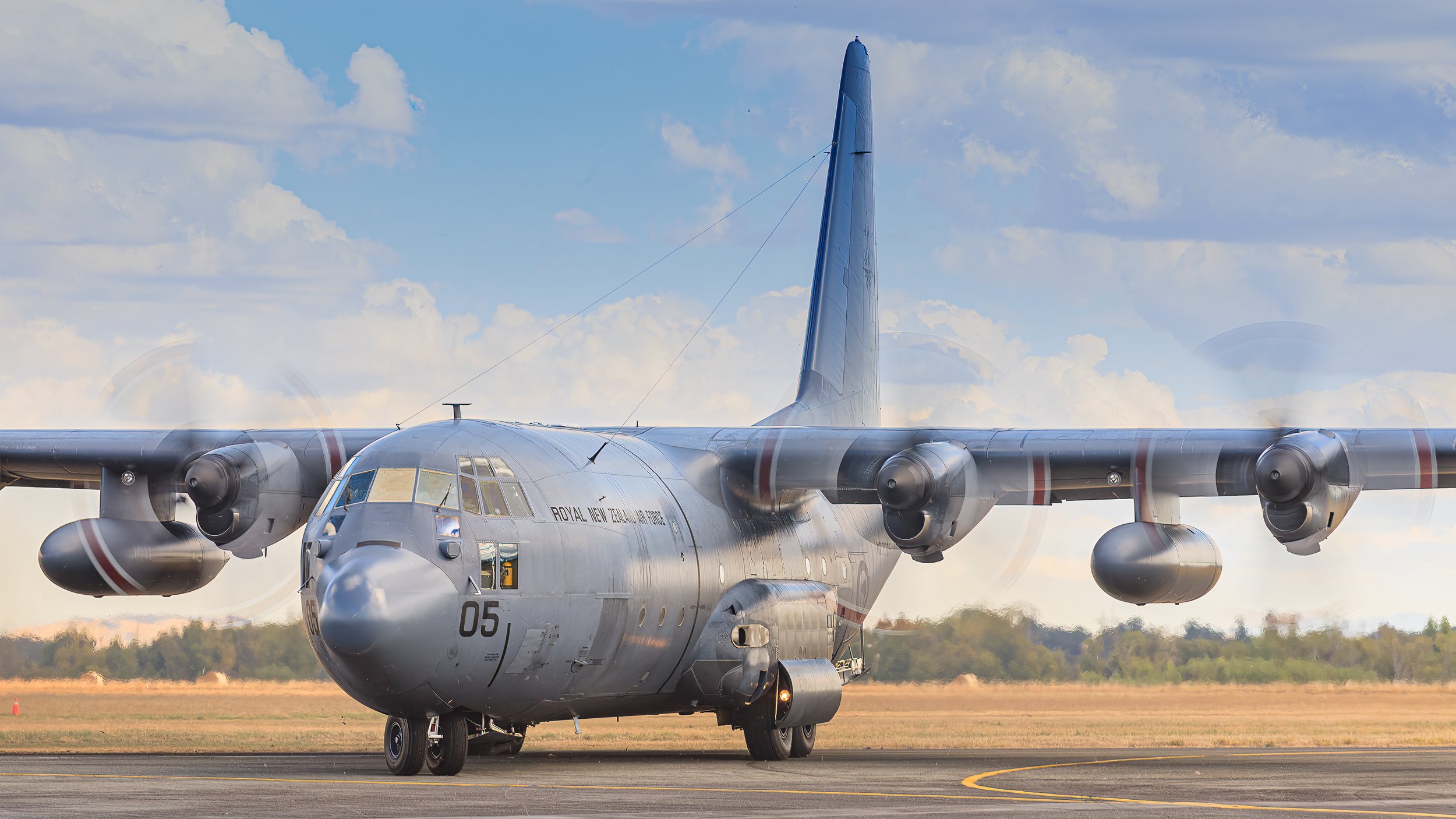
C-130 Hercules
The C-130 Hercules is a four-engine turboprop military transport aircraft designed and built by Lockheed Martin, first introduced in 1954 and serving as a versatile workhorse for military and humanitarian missions worldwide. Known for its exceptional reliability, rugged design, and ability to operate from unprepared runways, the Hercules has been continuously produced longer than any other military aircraft in history, with over 2,600 aircraft built for more than 60 nations. Its remarkable adaptability has seen it serve in numerous roles beyond transport, including aerial refueling, search and rescue, scientific research, weather reconnaissance, aerial firefighting, maritime patrol, and special operations, making it one of the most successful and widely used military aircraft in modern history. The C-130 has been instrumental in countless humanitarian relief efforts, military operations, and conflict zones, earning a reputation for dependability in the most challenging environments from arctic conditions to desert landscapes and tropical terrains.

C-17 Globemaster III
The Boeing C-17 Globemaster III is a revolutionary heavy-lift strategic transport aircraft that has transformed military and humanitarian airlift capabilities since its introduction in 1995. This massive aircraft combines unprecedented versatility with the ability to operate from short, austere runways while carrying substantial payloads - up to 169,000 pounds of cargo or 102 paratroopers. Distinguished by its high-mounted swept wings, T-tail, and four Pratt & Whitney F117-PW-100 turbofan engines, the C-17 can perform tactical airlift, medical evacuation, and airdrop missions, while also serving as a strategic transport for intercontinental range missions. The aircraft's advanced features, including its ability to perform steep approaches, tight turns, and reverse taxiing, allow it to access smaller airfields typically reserved for much smaller aircraft. The C-17's proven reliability and flexibility have made it an essential asset for military operations, disaster relief, and humanitarian missions worldwide, serving with the U.S. Air Force and several allied nations.

de Havilland Venom
The de Havilland Venom was a British single-seat jet-powered fighter-bomber that evolved from the earlier de Havilland Vampire, entering service with the RAF in 1952. Distinguished by its distinctive twin-boom design and Ghost turbojet engine, the Venom offered significant improvements over its predecessor, including a thinner wing, more powerful engine, and enhanced weapons capability. The aircraft proved particularly effective in the ground attack role, serving with distinction during the Malayan Emergency and the Suez Crisis, where its combination of maneuverability and weapons load made it well-suited for close air support missions. The Venom's night fighter variant, the Sea Venom, became the Fleet Air Arm's first all-weather jet fighter, featuring radar equipment and serving aboard British aircraft carriers. Despite being overshadowed by later fighters like the Hunter, the Venom proved to be a capable and reliable aircraft that served with several air forces, including Switzerland, which operated the type until 1983.

Hawker Hunter
The Hawker Hunter was a British transonic jet fighter developed in the early 1950s that set new standards for aesthetics and performance in military aviation. First entering service with the RAF in 1954, the Hunter combined elegant design with exceptional handling characteristics, powered by the Rolls-Royce Avon turbojet engine that enabled it to easily break the sound barrier in a dive. The aircraft's versatility led to numerous variants, evolving from a pure interceptor to include ground-attack and reconnaissance roles, while its export success saw it serve with over 20 air forces worldwide. Notable for its remarkable longevity, the Hunter remained in service for decades after its introduction, with some air forces operating the type well into the 1990s. The aircraft's blend of performance, reliability, and adaptability made it one of Britain's most successful military aircraft exports, while its clean lines and graceful appearance have led many aviation enthusiasts to consider it one of the most beautiful jet fighters ever built.

McDonnell Douglas F/A-18A Hornet
The McDonnell Douglas F/A-18A Hornet was developed in the late 1970s as the U.S. Navy's first dedicated multi-role fighter, capable of seamlessly switching between air-to-air and air-to-ground missions. Born from the YF-17 prototype, the Hornet introduced several revolutionary features including dual digital fly-by-wire controls, twin engines for reliability over water, and the ability to quickly reconfigure between fighter and attack roles without returning to base. Powered by two General Electric F404 turbofan engines, the F/A-18A could reach speeds of Mach 1.8 and demonstrated exceptional maneuverability at both high and low speeds. The aircraft's rugged design, advanced avionics suite, and ability to operate from aircraft carriers made it a game-changer for naval aviation, serving with distinction in numerous conflicts including Operation Desert Storm. The original F/A-18A's success led to multiple improved variants and eventually the Super Hornet family, cementing its place in naval aviation history.t.

General Dynamics F-16 Fighting Falcon
The General Dynamics F-16 Fighting Falcon, commonly known as the "Viper" by its pilots, is one of the most successful and widely-used multi-role fighter aircraft ever produced. First introduced in 1978, this single-engine fighter was designed as a lightweight day fighter but evolved into a highly capable all-weather multi-role aircraft through numerous upgrades and variants. The F-16's revolutionary features included a relaxed static stability/fly-by-wire flight control system, a side-mounted control stick, a bubble canopy for exceptional visibility, and a 30-degree reclined seat to help pilots withstand high g-forces. With over 4,600 aircraft produced and service in more than 25 countries, the F-16's blend of maneuverability, advanced avionics, and cost-effectiveness has made it a mainstay of modern air forces. Despite being over four decades old, the F-16 continues to receive updates and remains a frontline fighter, demonstrating remarkable longevity and adaptability in an ever-evolving battlefield environment.