Beechcraft T-6C Texan II
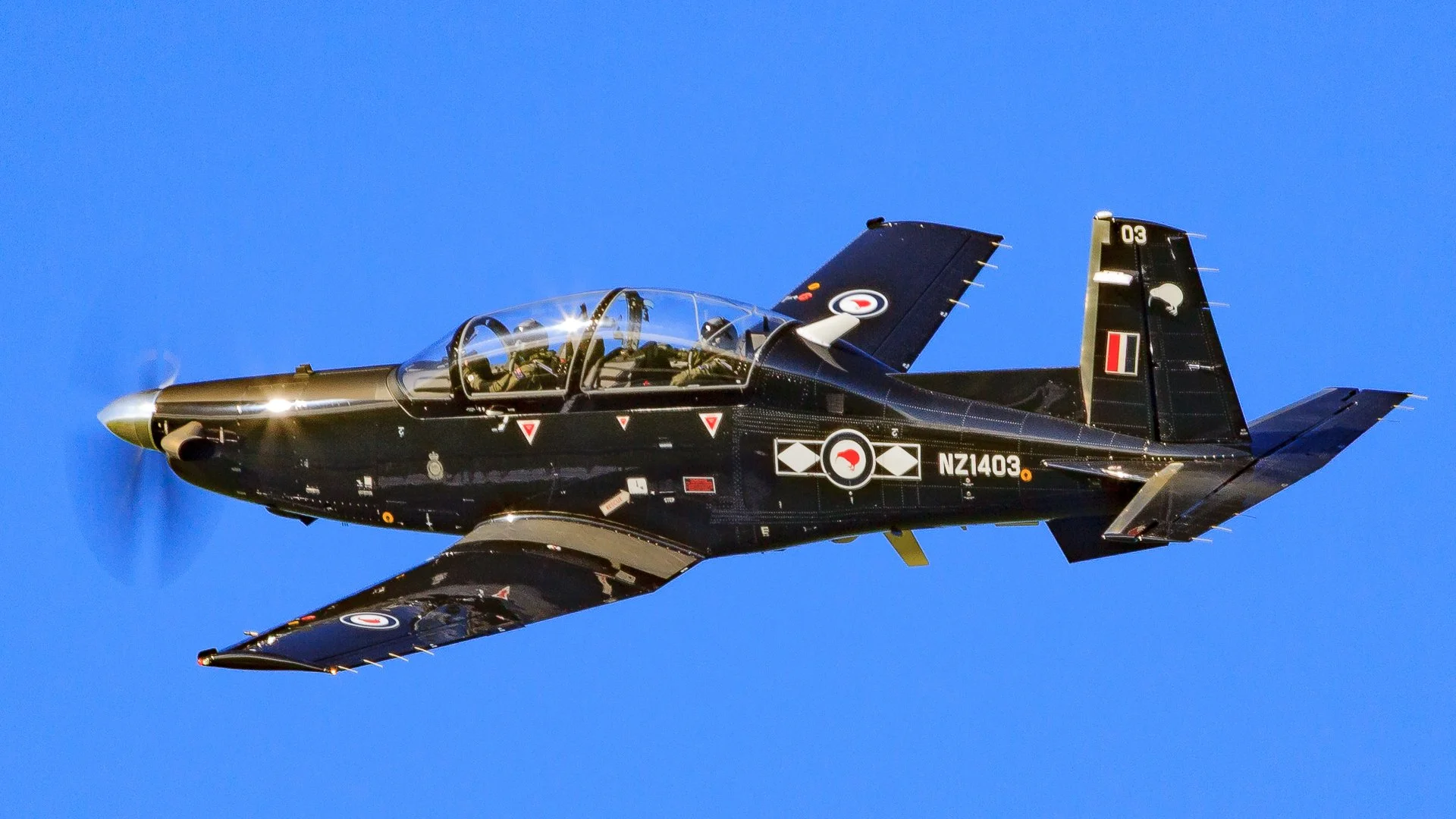
Base Ohakea, Manawatu
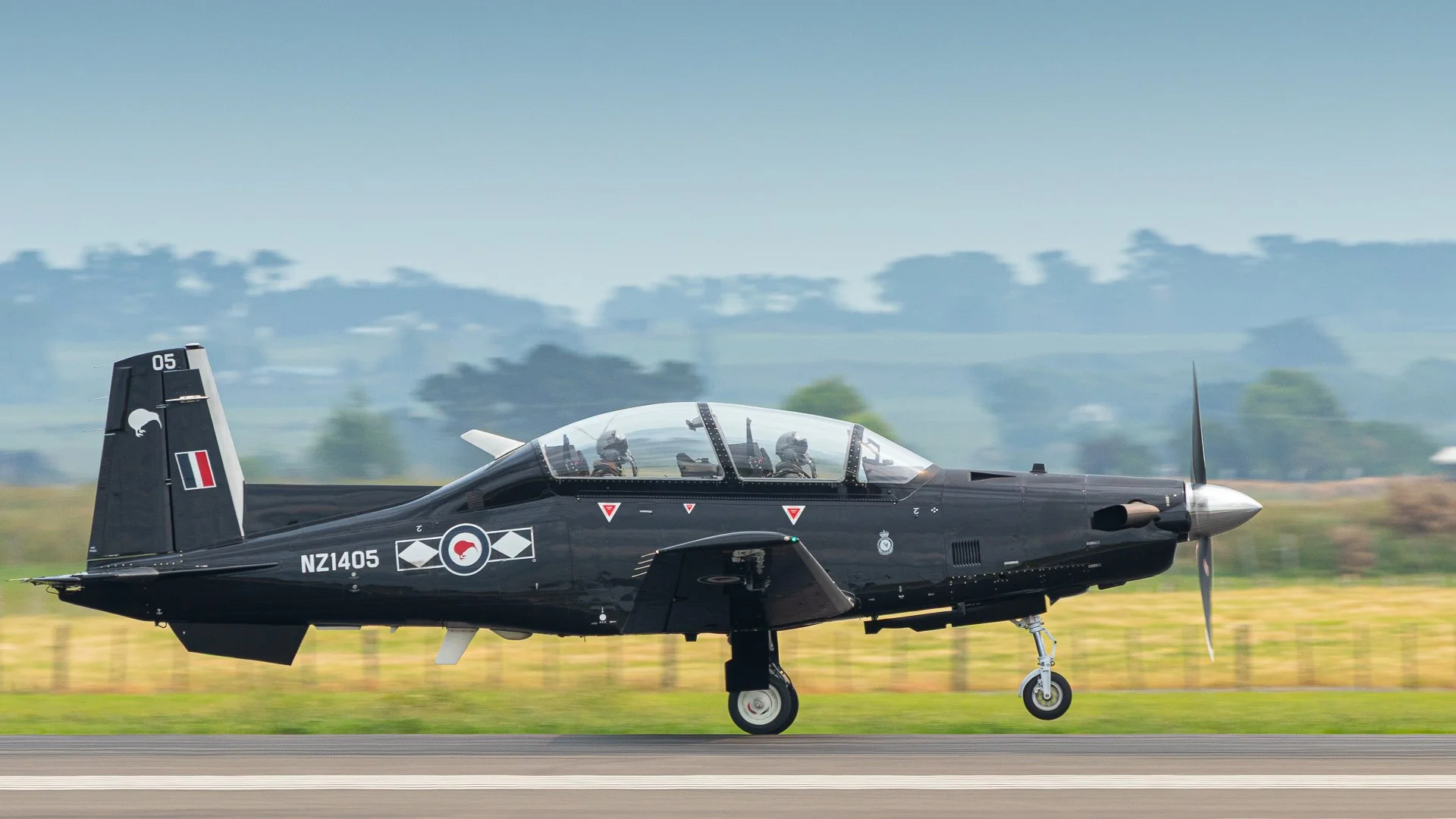
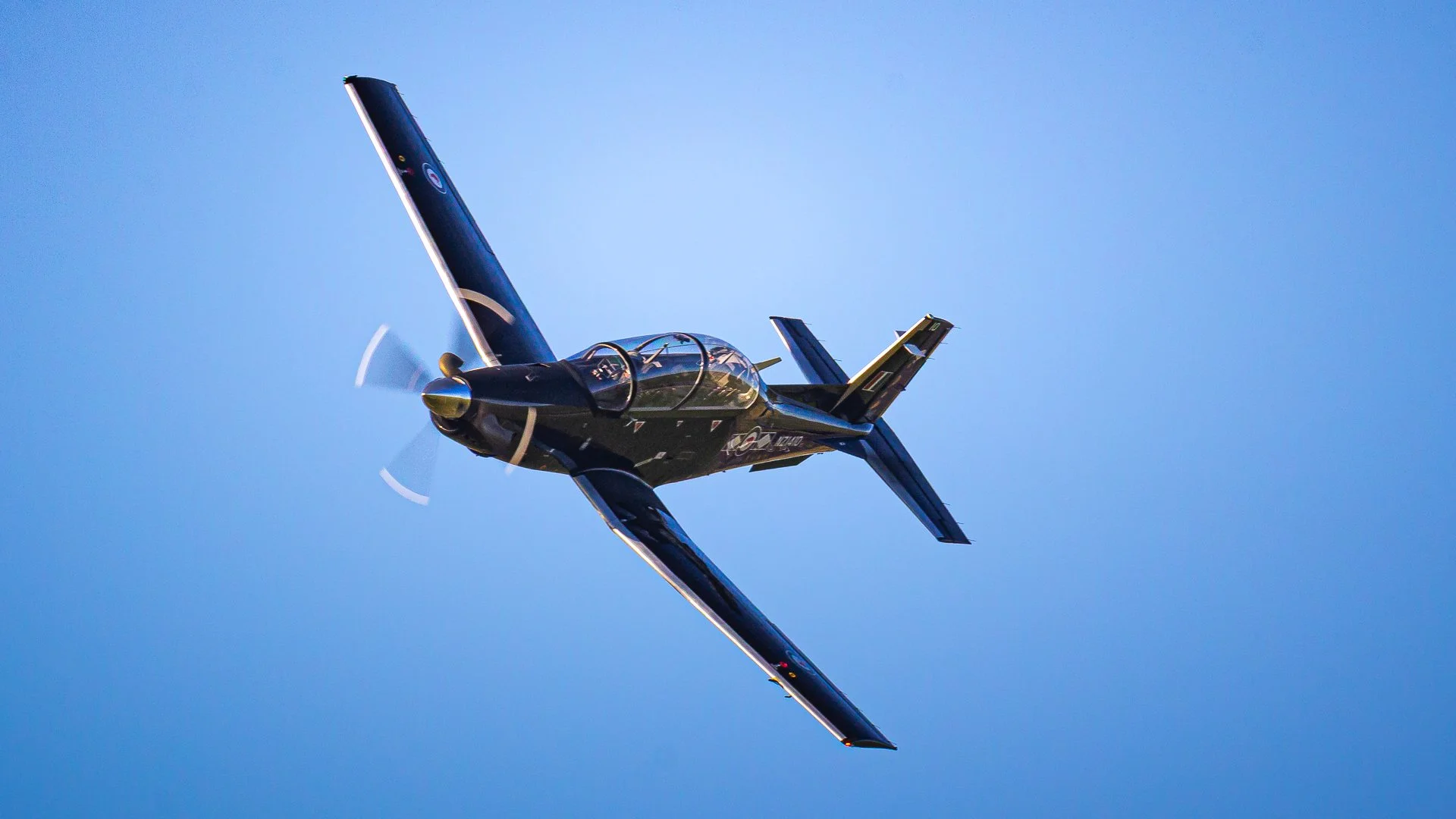
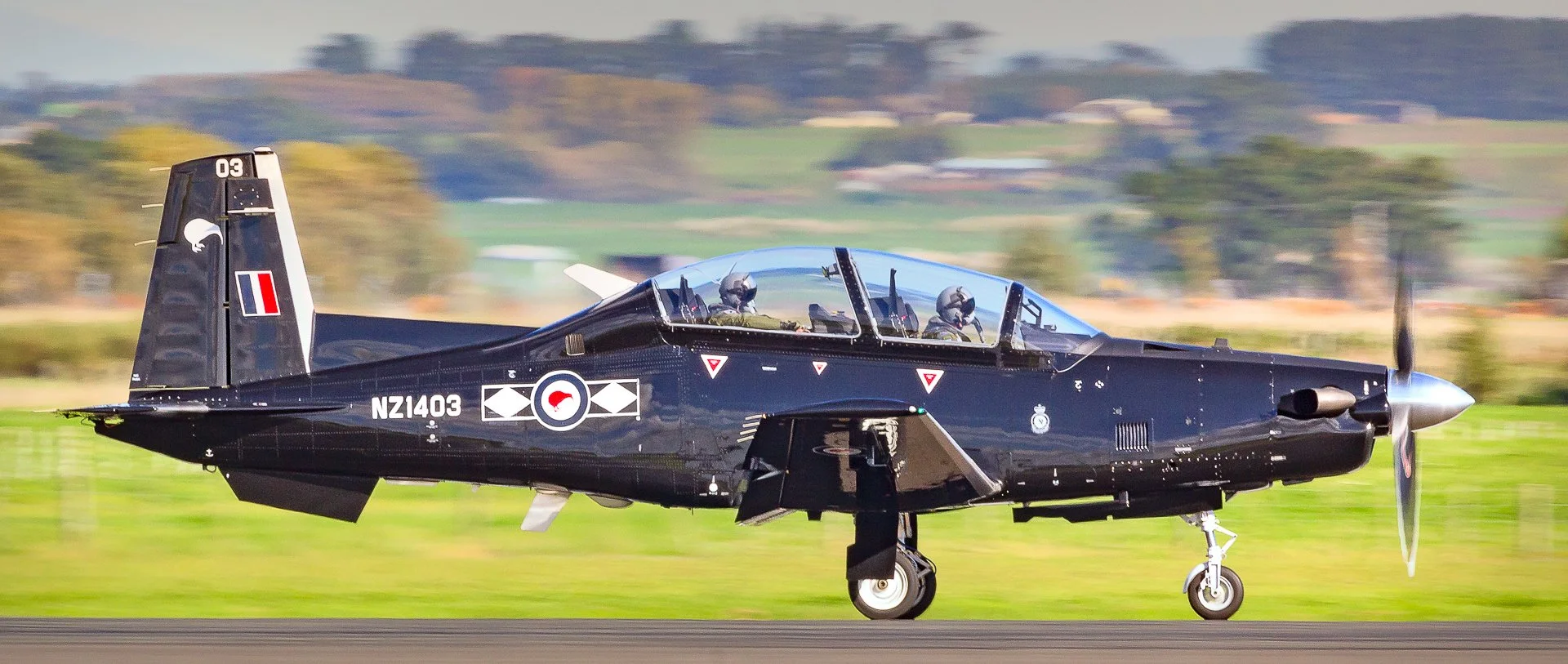
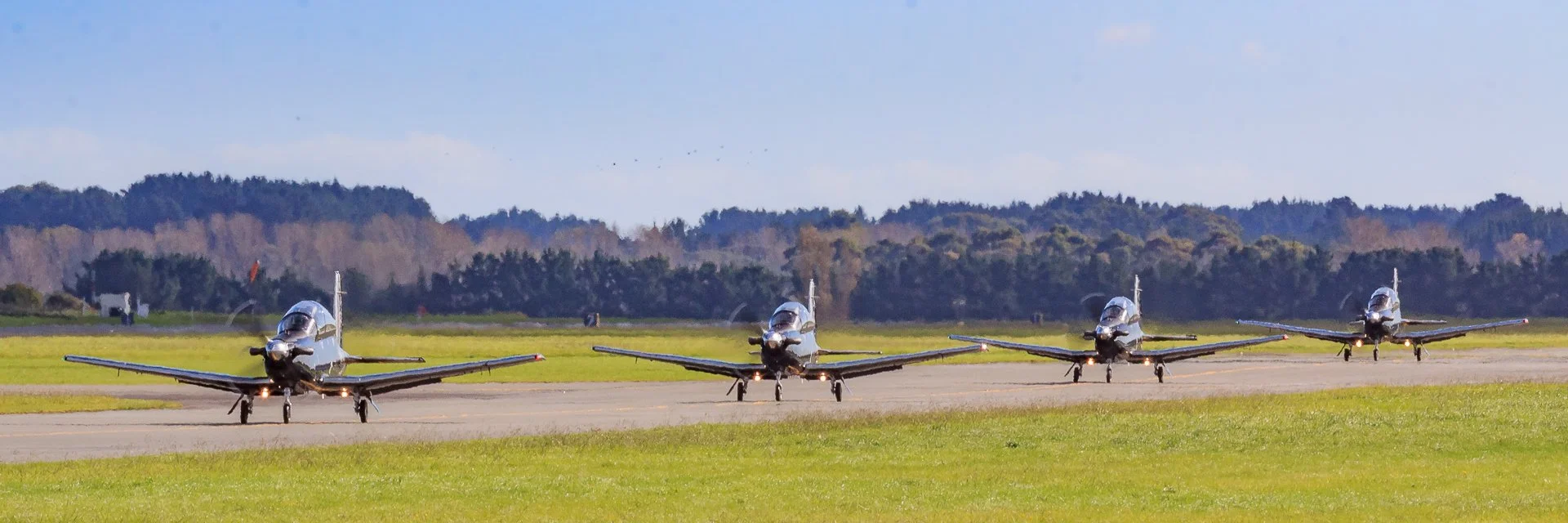
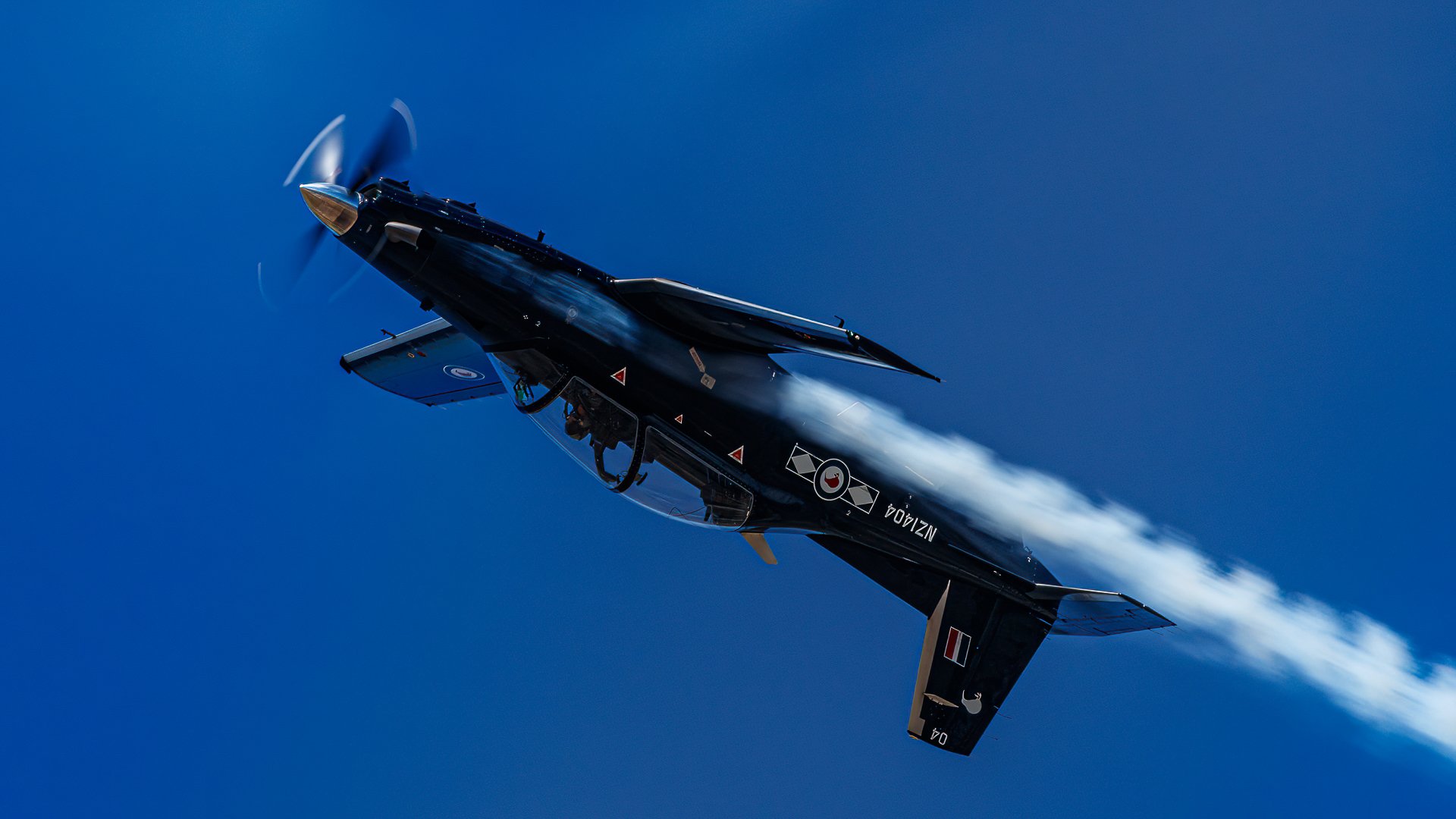
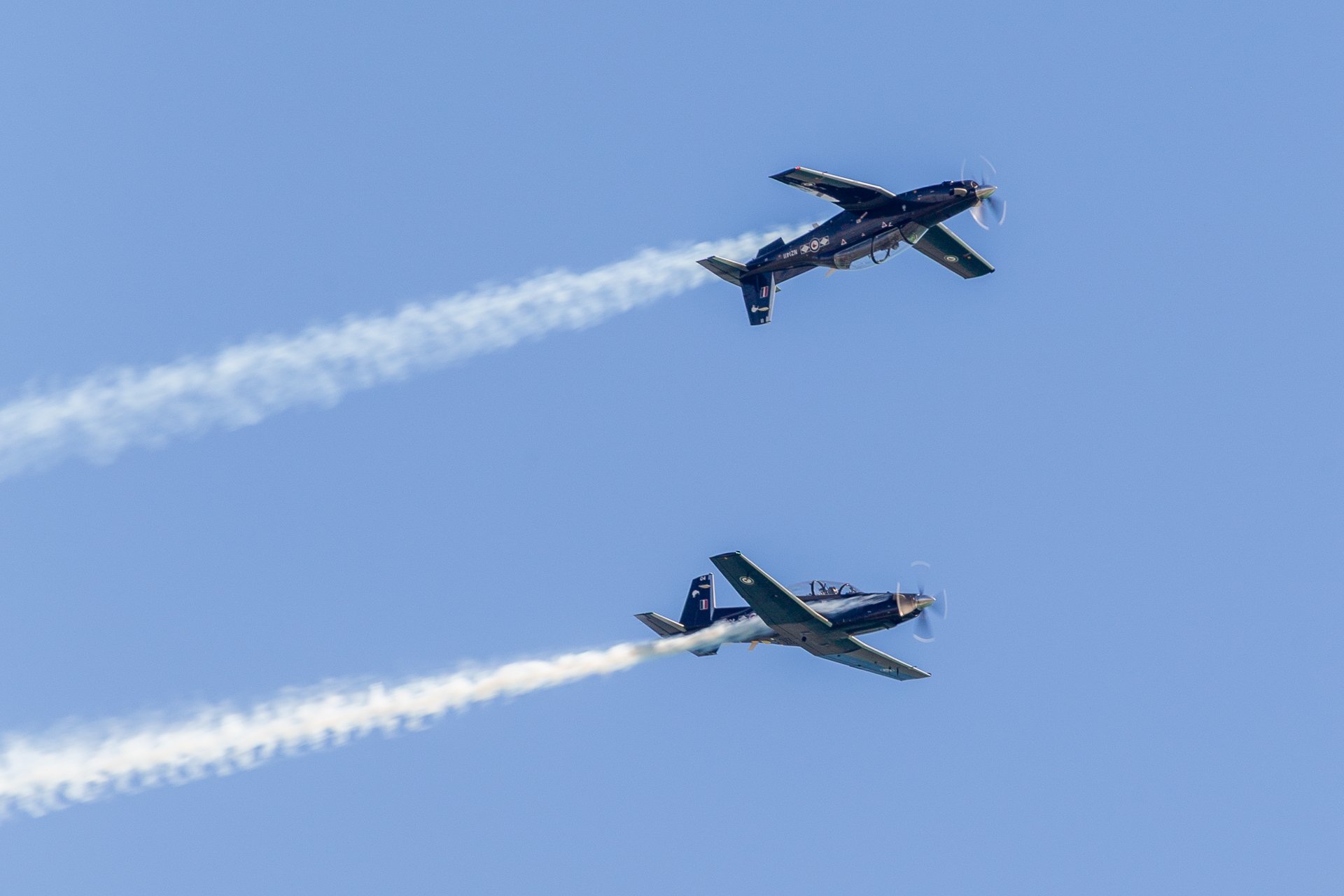
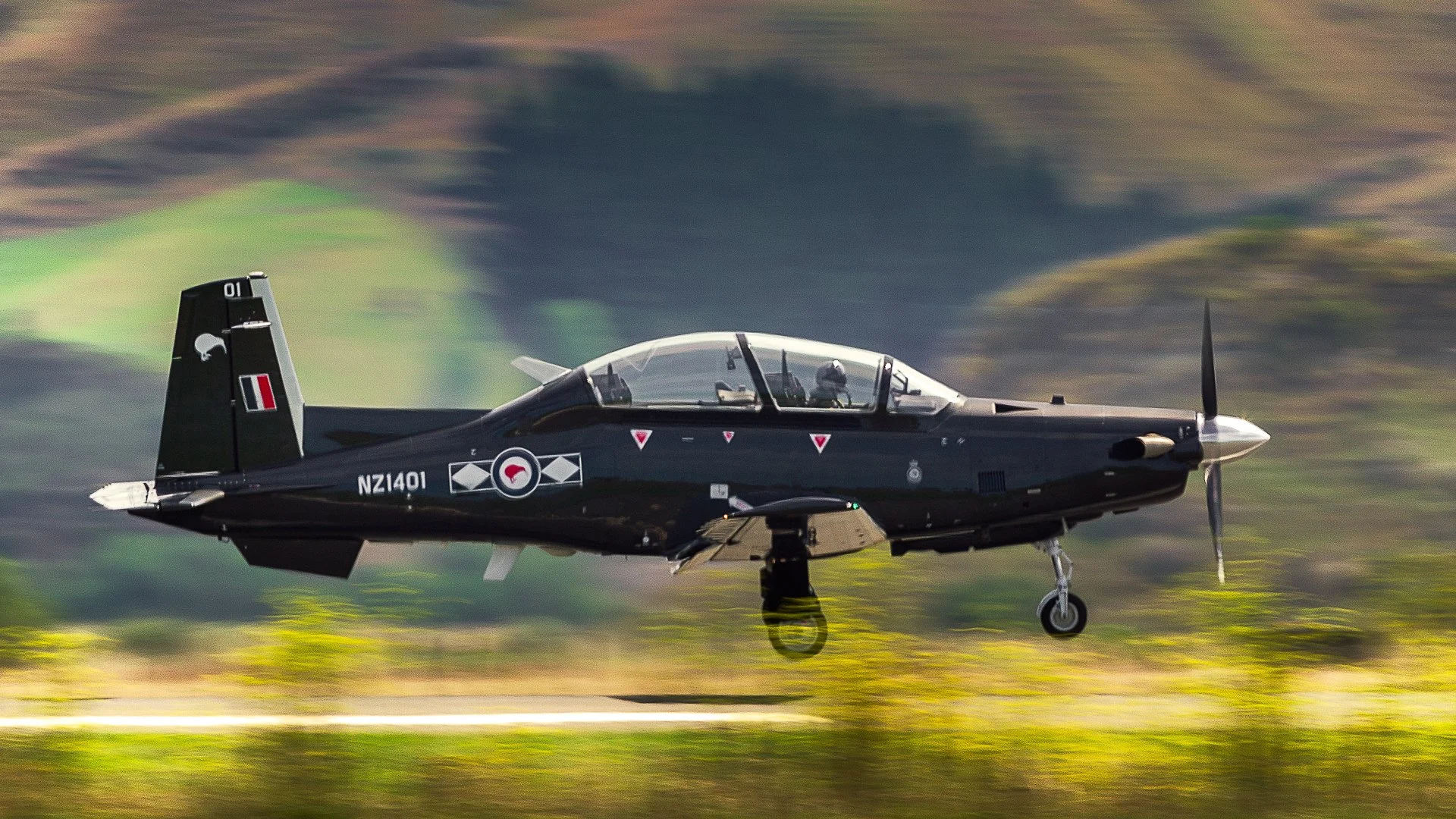
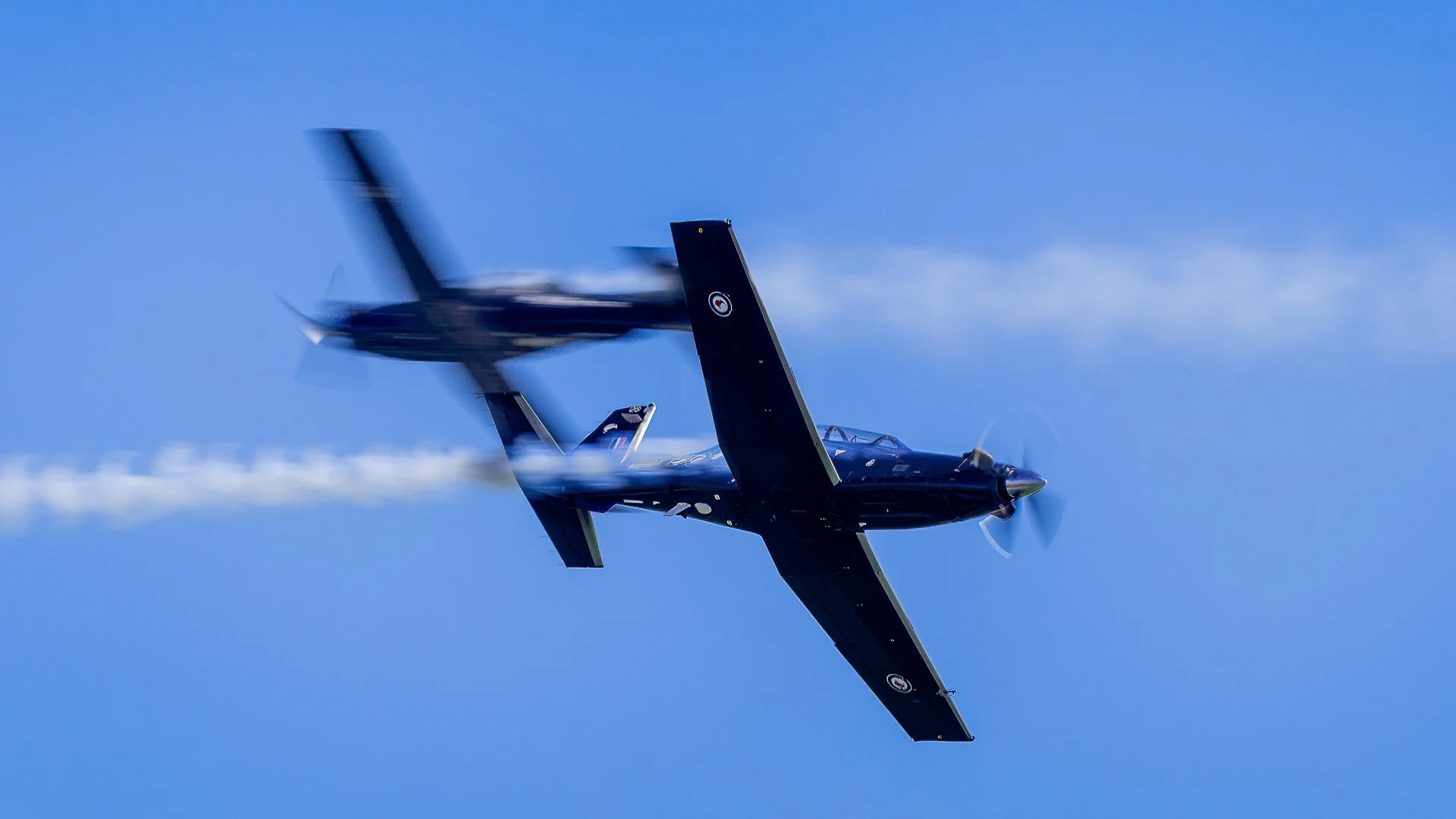
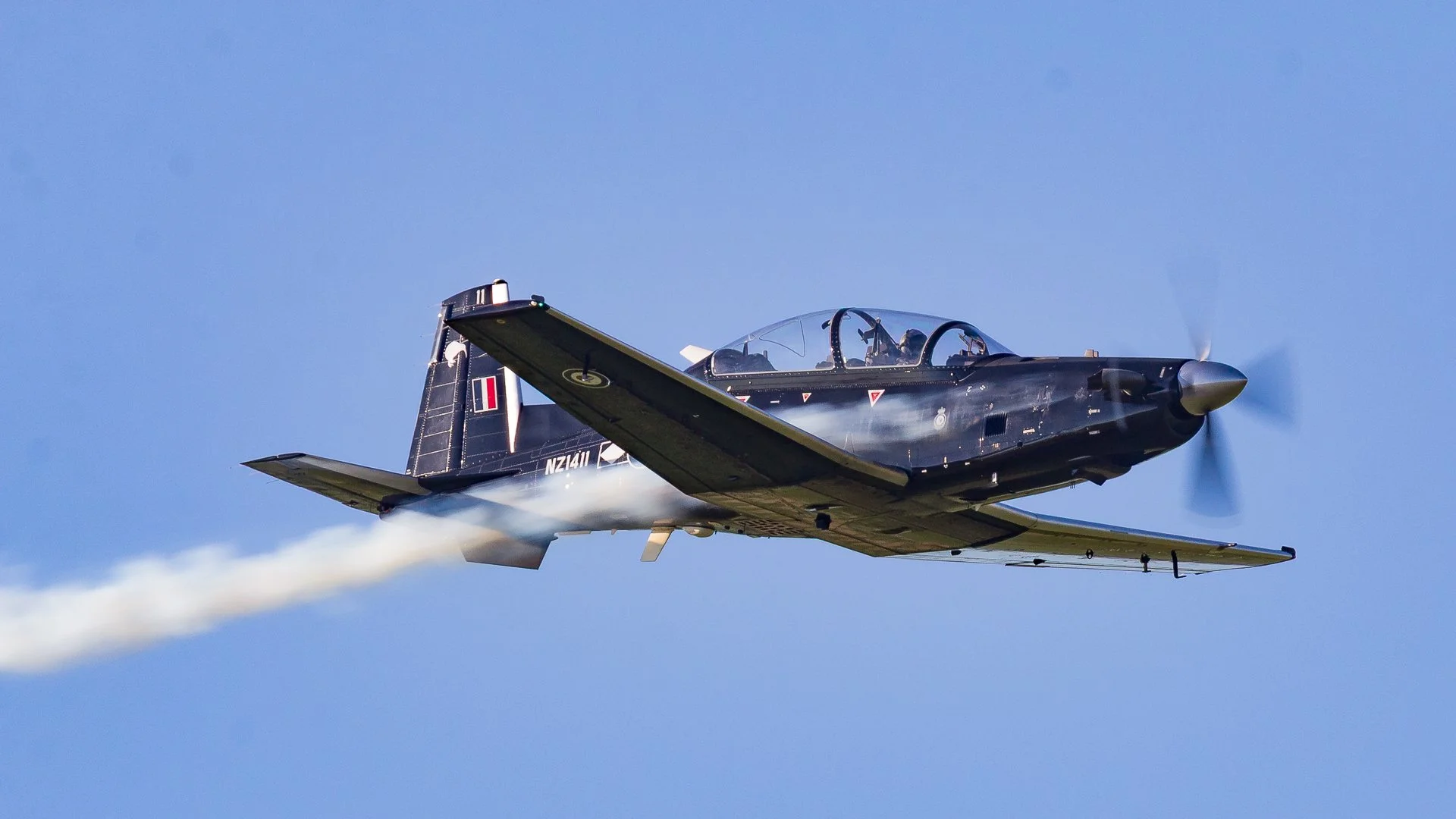
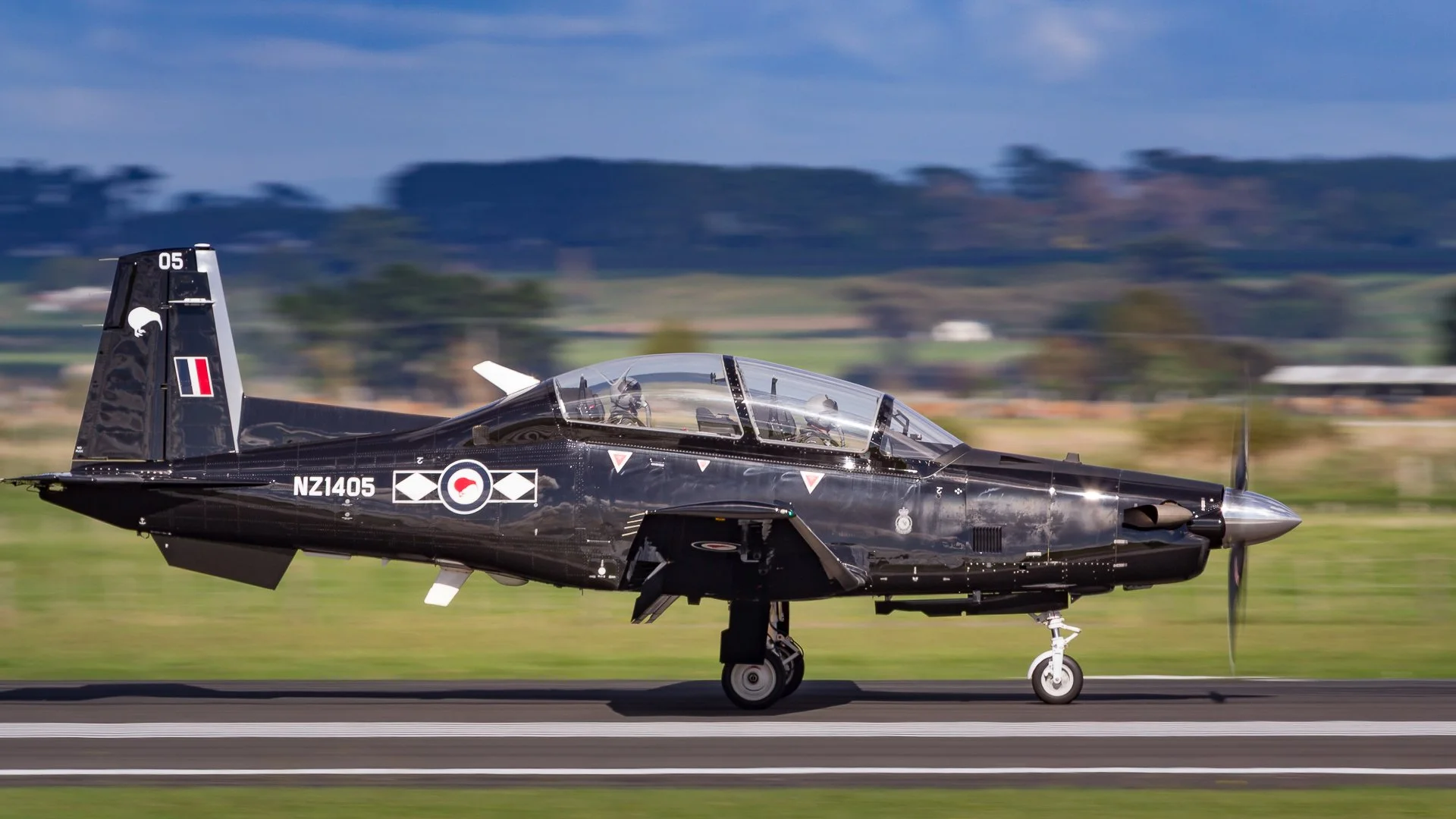
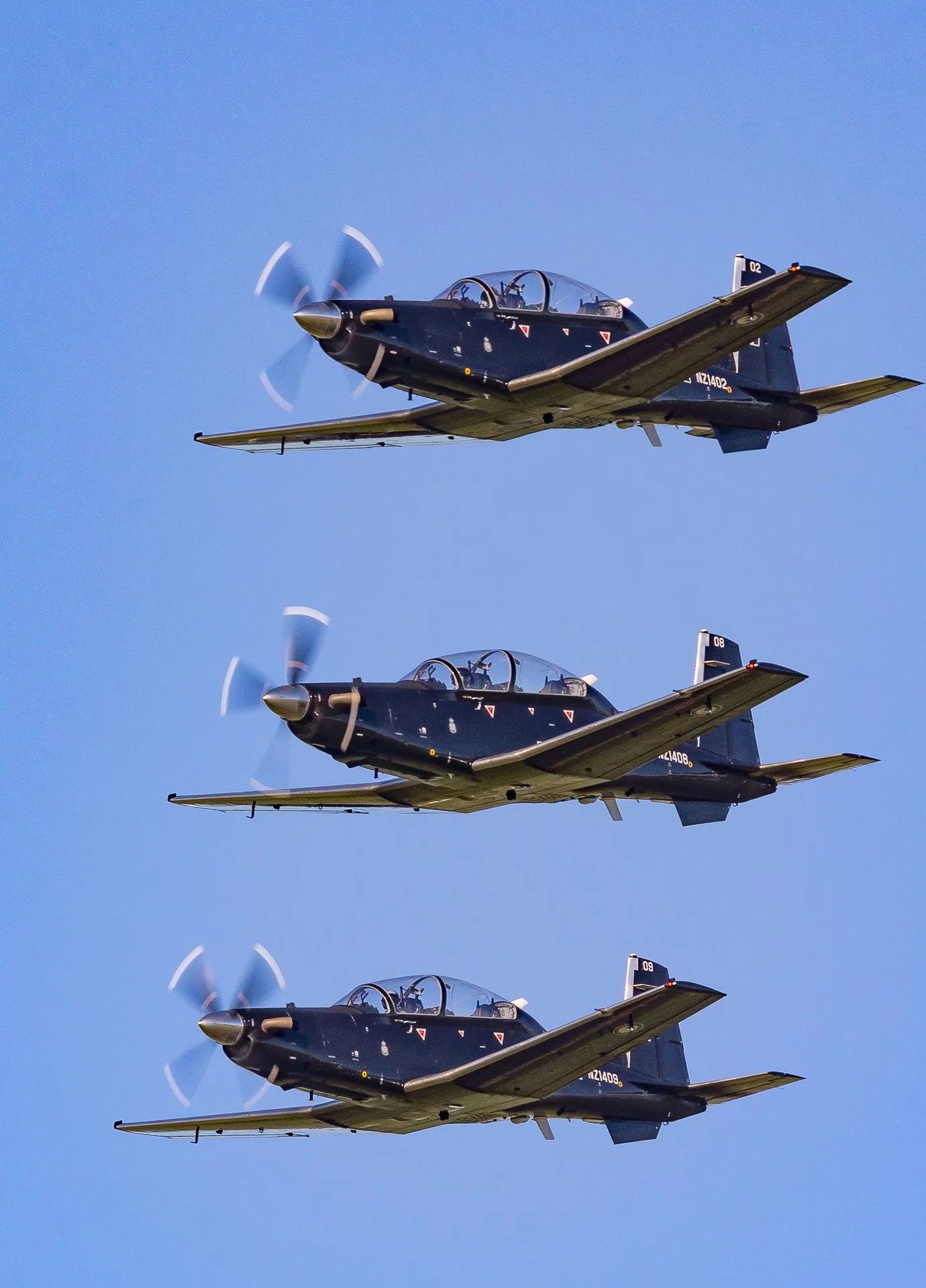
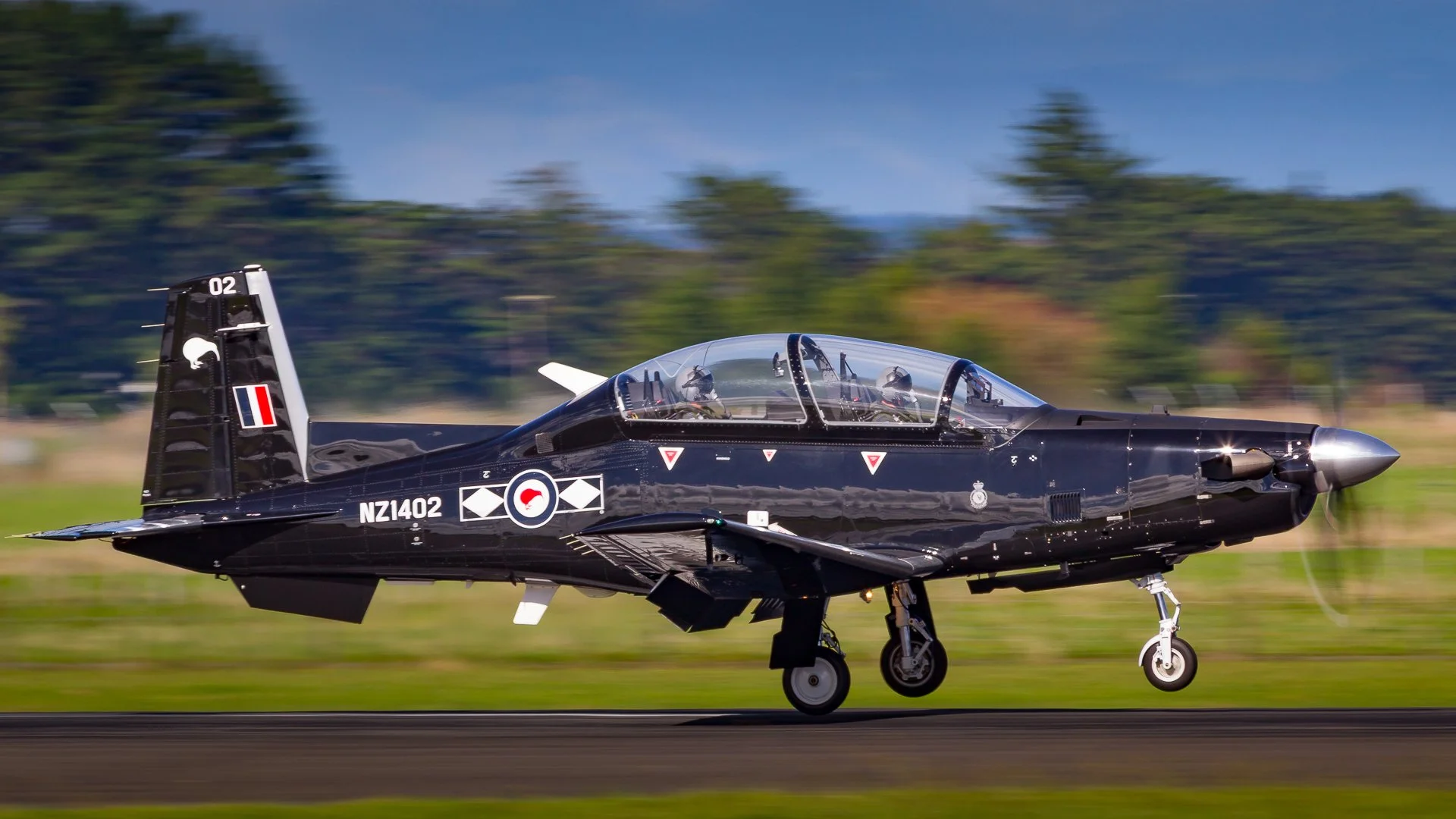
The Beechcraft T-6C Texan II serves as the advanced flight training aircraft for the Royal New Zealand Air Force (RNZAF), operated by No. 14 Squadron based at RNZAF Base Ohakea. New Zealand acquired eleven T-6C aircraft that were delivered between 2014 and 2015, replacing the aging CT-4E Airtrainer in the advanced training role. The T-6C variant features enhanced capabilities specifically tailored for New Zealand's requirements, including an uprated Pratt & Whitney PT6A-68D turboprop engine, improved avionics, and provisions for weapons training. The aircraft provides RNZAF student pilots with their first experience in a high-performance military trainer, featuring tandem seating, glass cockpit displays with multi-function displays, head-up display (HUD), and hands-on-throttle-and-stick (HOTAS) controls that mirror systems found in modern fast jets and maritime patrol aircraft.
“For the RNZAF, the T-6C represents a significant capability enhancement over previous training aircraft. The Texan II prepares pilots for progression to frontline aircraft including the P-8A Poseidon maritime patrol aircraft or helicopters, while also providing continuation training for qualified pilots.”
For the RNZAF, the T-6C represents a significant capability enhancement over previous training aircraft. The Texan II prepares pilots for progression to frontline aircraft including the P-8A Poseidon maritime patrol aircraft or helicopters, while also providing continuation training for qualified pilots. The aircraft's advanced mission systems allow students to train in instrument flying, navigation, formation flying, and basic tactical maneuvers in a modern environment. New Zealand's T-6Cs are also equipped with underwing hardpoints and can be fitted with practice weapons, enabling realistic weapons delivery training. The fleet supports New Zealand's pilot training pipeline as well as training commitments under the NZDF's partnership with the Australian Defence Force. The T-6C's reliability, modern systems, and relatively economical operating costs make it well-suited to New Zealand's training requirements while maintaining the high standards necessary to produce combat-ready pilots for RNZAF operations.