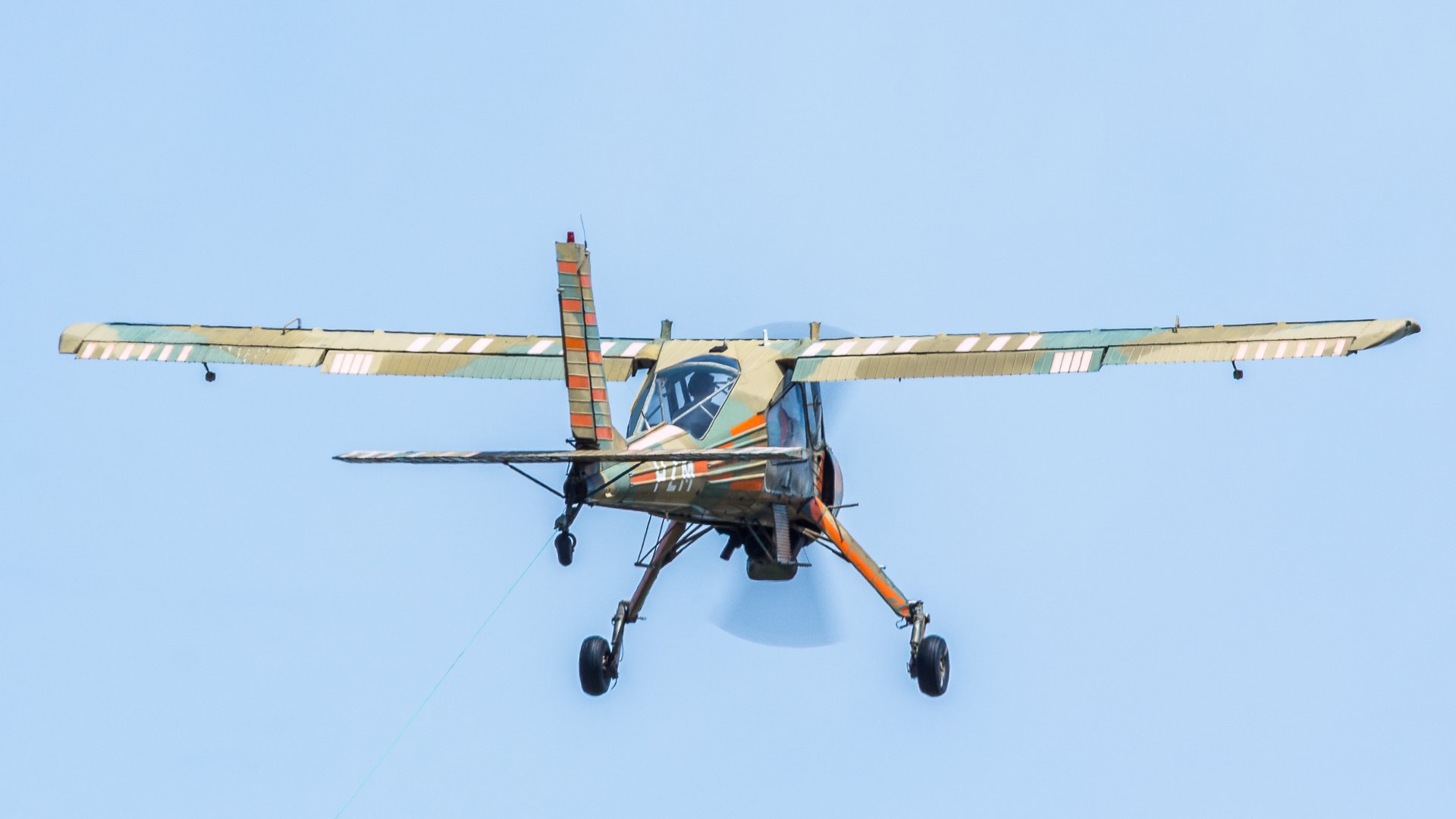
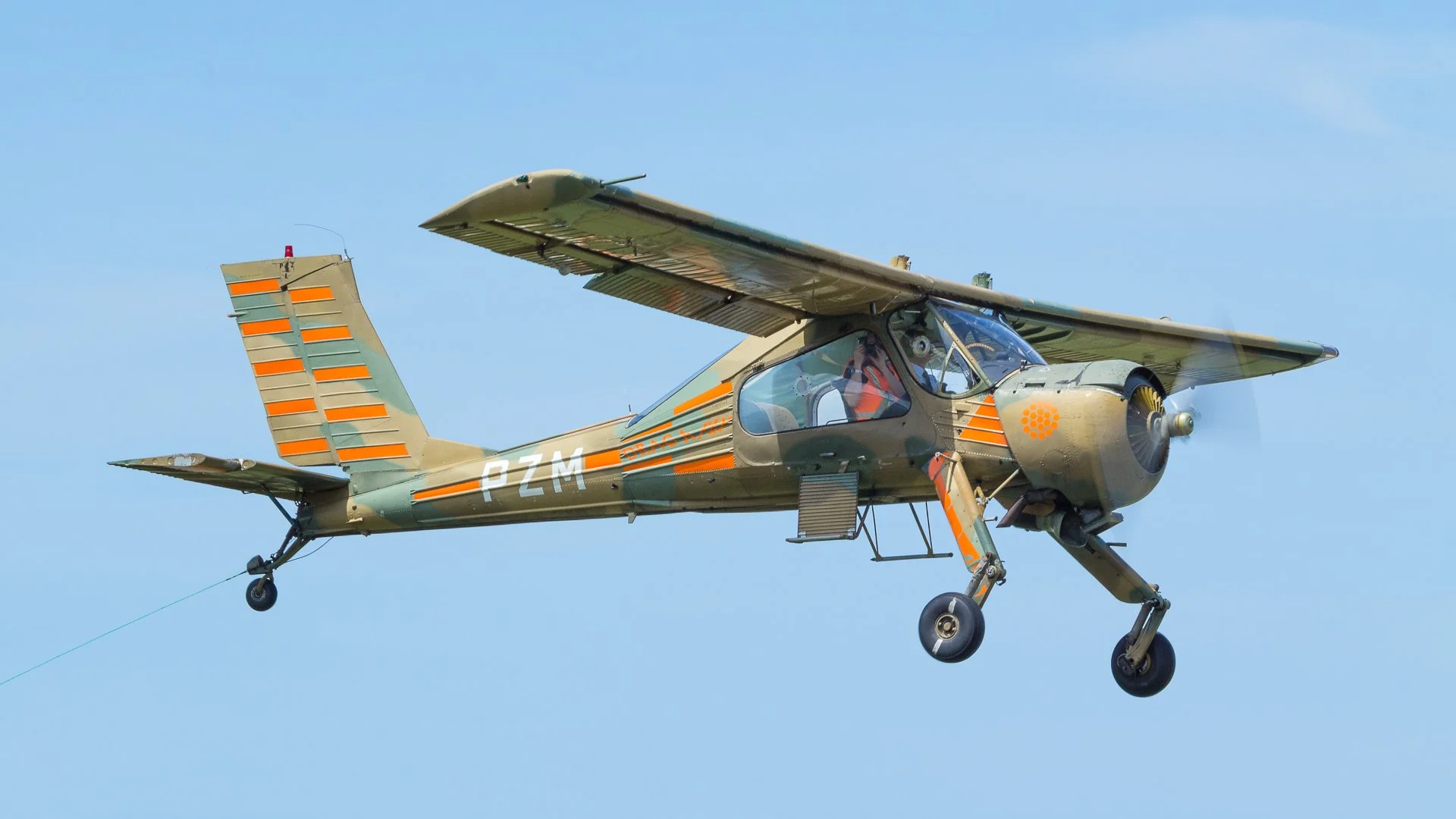
PZL-104 Wilga
Whanganui
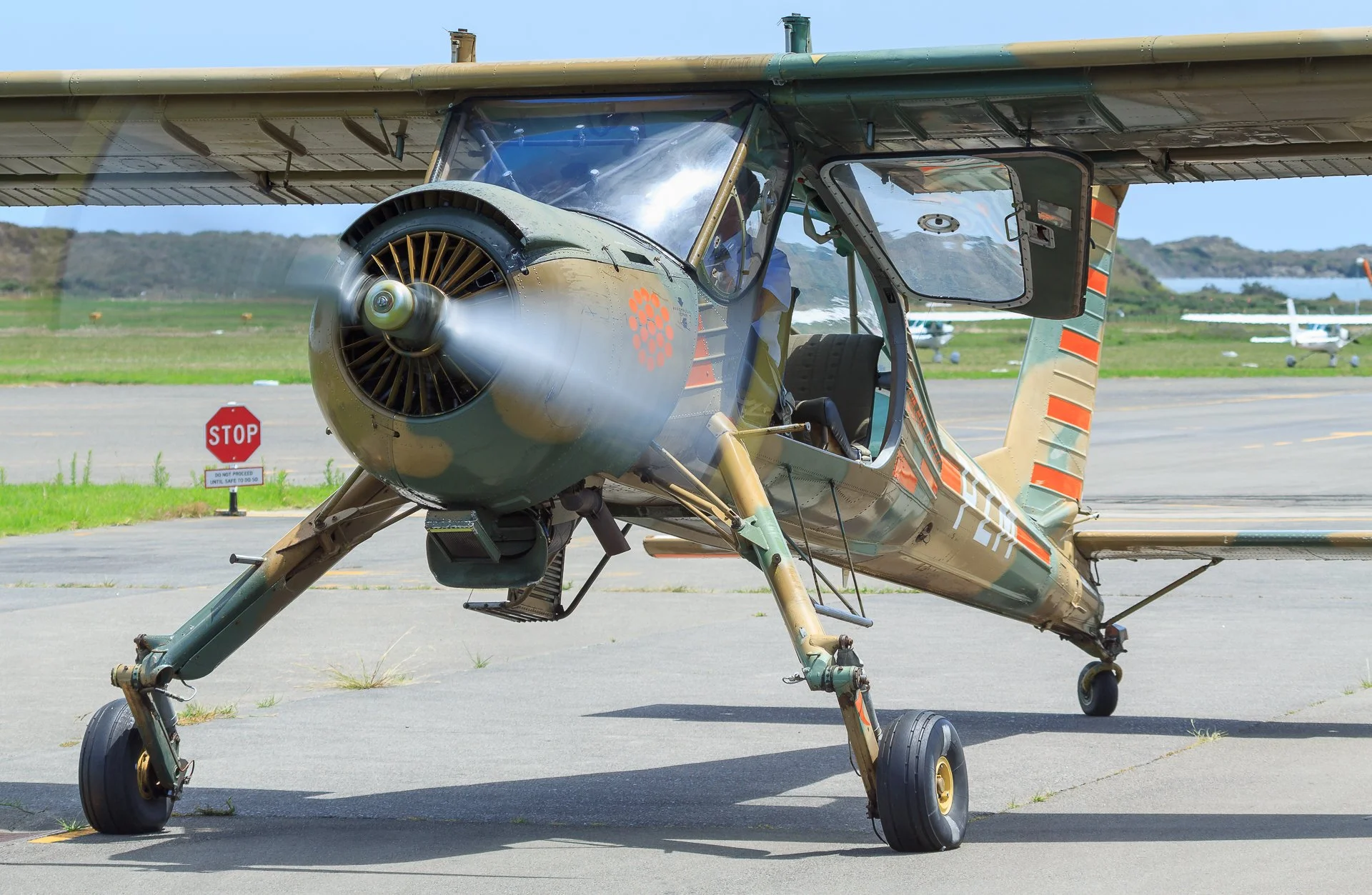
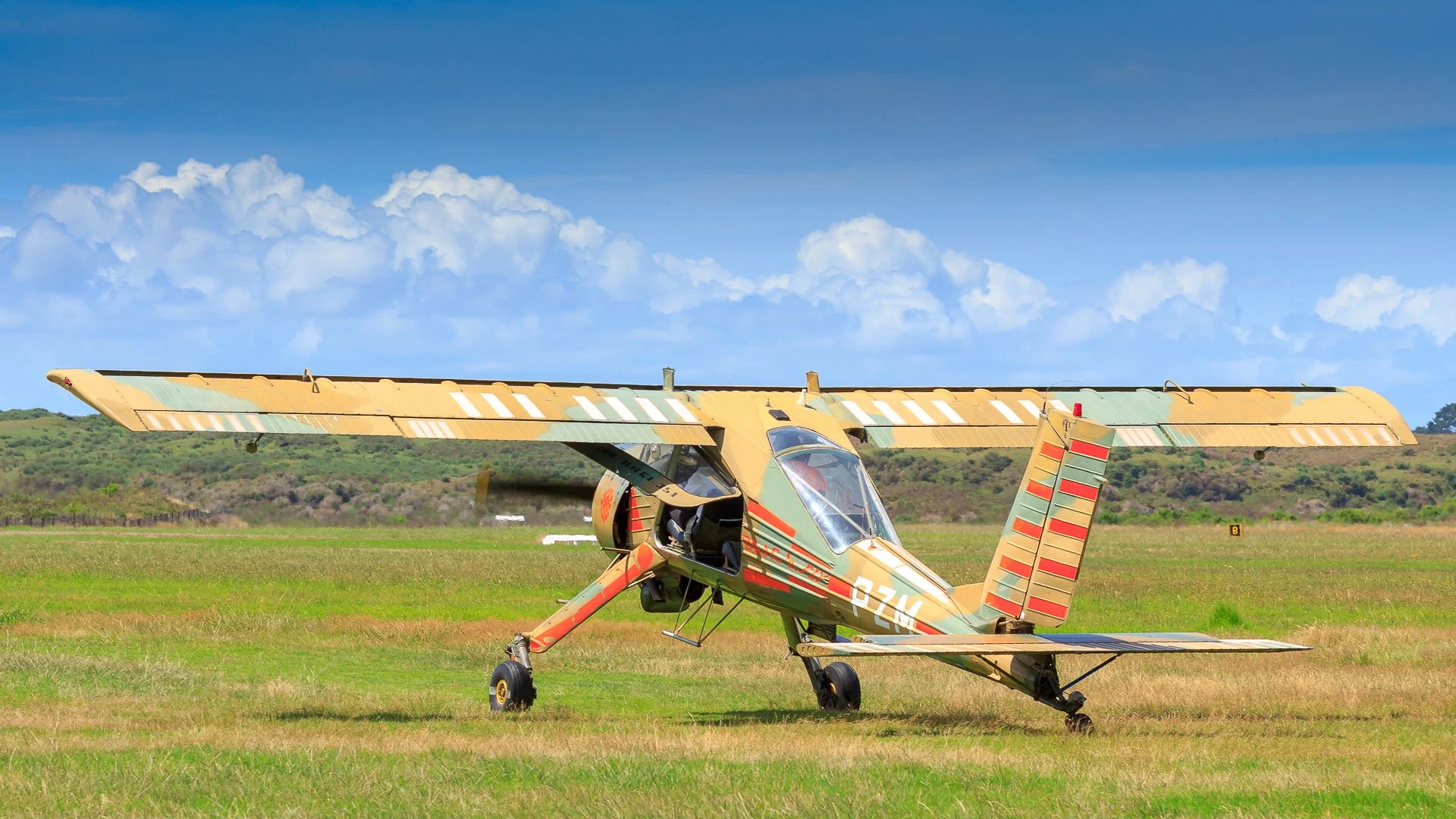
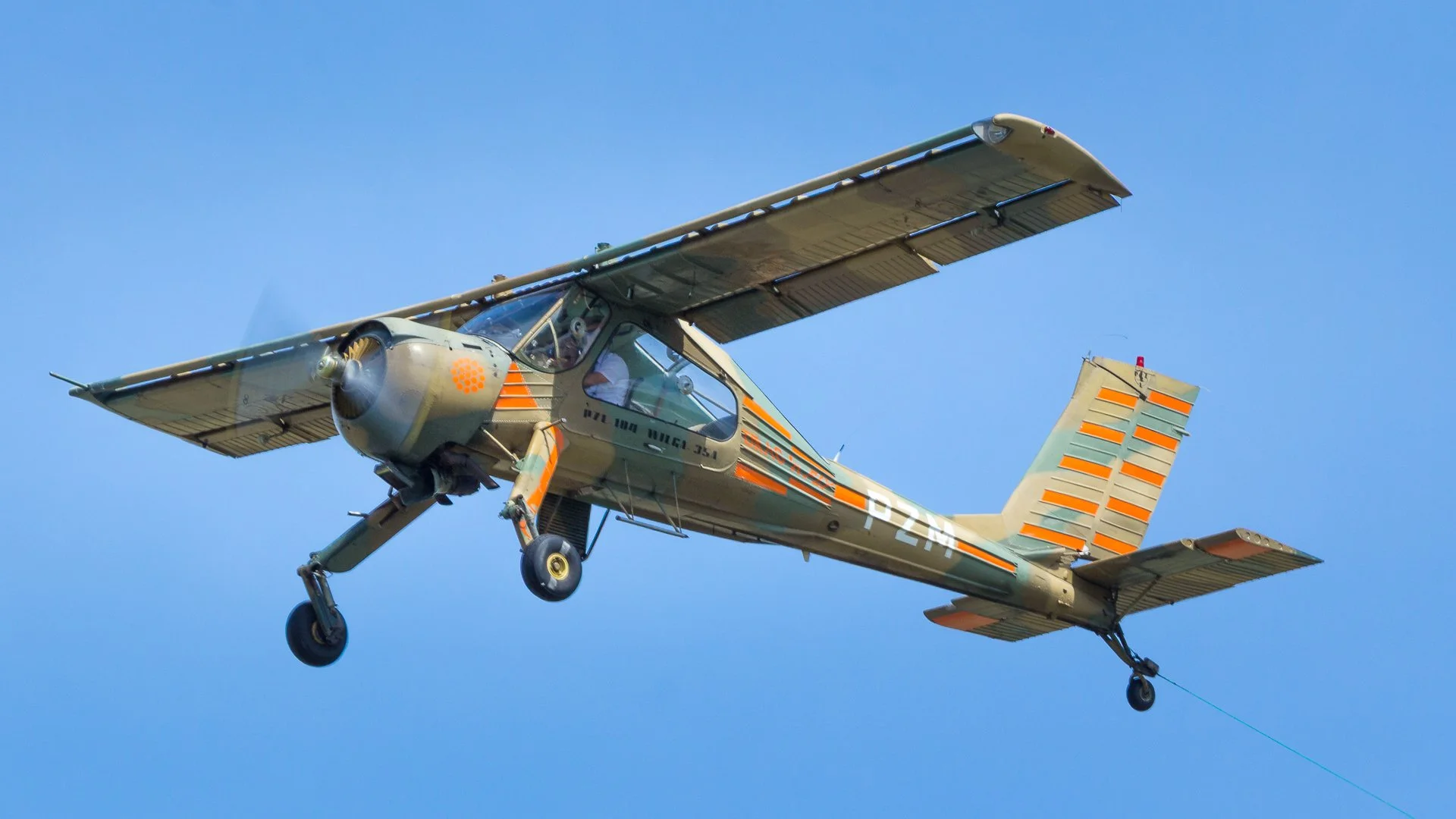
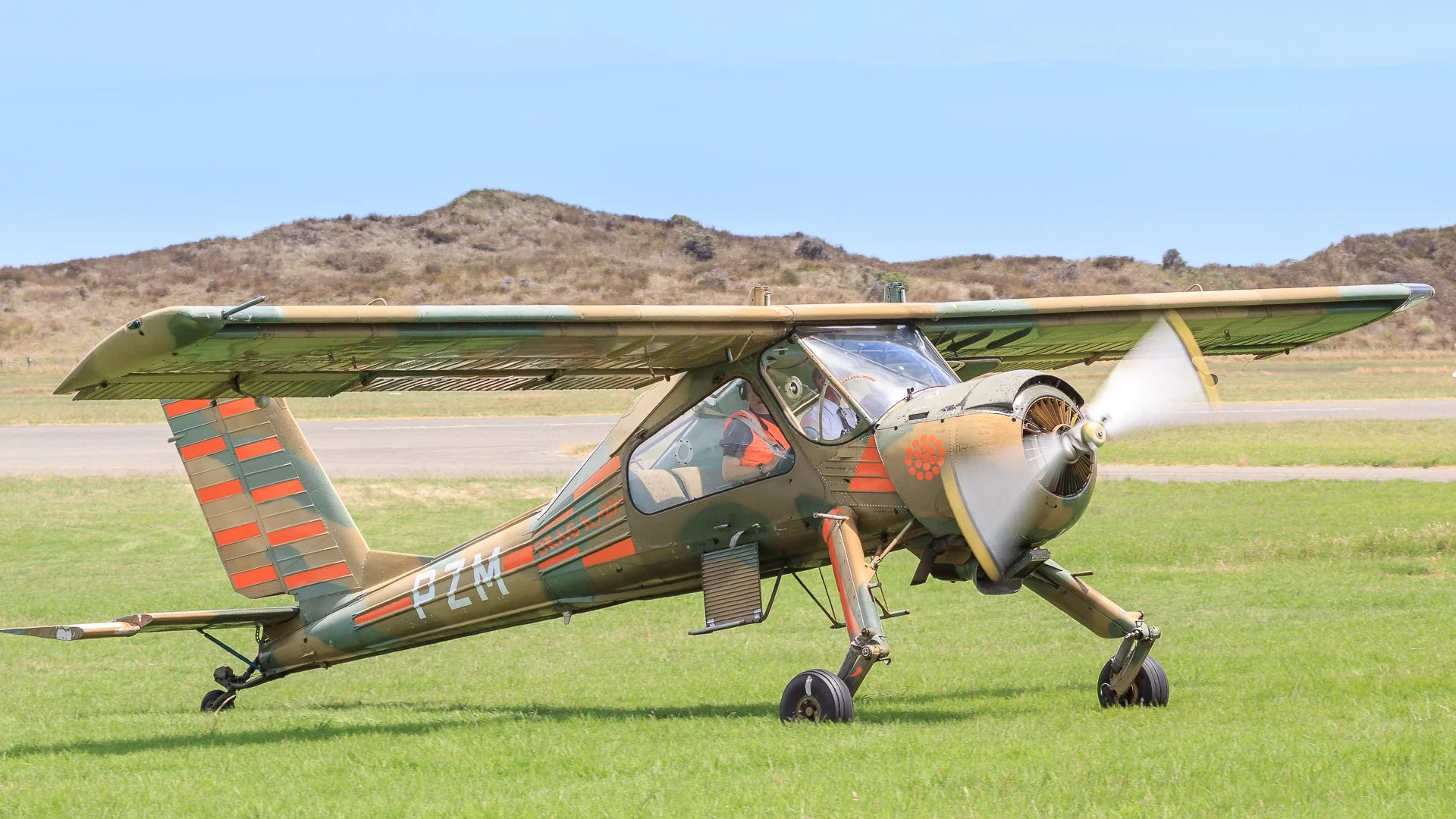
The PZL-104 Wilga is a Polish-designed utility aircraft that has gained recognition worldwide for its exceptional short takeoff and landing (STOL) capabilities and rugged construction. First flown in 1962 and manufactured by PZL Warsaw-Okęcie, the Wilga (which means "oriole" in Polish) was designed as a versatile high-wing, conventionally-geared aircraft capable of operating from unprepared surfaces and short airstrips. The aircraft typically seats four people and has been produced in numerous variants over its long production history, powered by various engines ranging from Continental flat-six piston engines to radial engines and, in later versions, turboprop powerplants. Its distinctive braced high-wing design, robust landing gear, and generous control surfaces give it remarkable slow-flight characteristics and the ability to operate from grass strips, beaches, and rough terrain where most conventional aircraft cannot venture.
“Its distinctive braced high-wing design, robust landing gear, and generous control surfaces give it remarkable slow-flight characteristics and the ability to operate from grass strips, beaches, and rough terrain where most conventional aircraft cannot venture.”
The Wilga has found diverse applications across civil and military markets worldwide. In civilian roles, it has been popular for glider towing, parachute dropping, aerial survey work, agricultural spraying, and utility transport in remote areas. Its forgiving flight characteristics and excellent visibility from the cabin have also made it a favorite for flight training and recreational flying. Military and paramilitary operators have used the Wilga for liaison, observation, light transport, and training duties. The aircraft has been exported to numerous countries and has demonstrated remarkable longevity in service, with many examples still flying after decades of operation. The combination of simplicity, reliability, and outstanding STOL performance has earned the Wilga a loyal following among pilots who operate in challenging environments, and it remains in limited production today, representing one of the longest-running aircraft designs still being manufactured.